Search

Feed Costs Still a Large Percentage of the Cow Budget
Monitoring, managing, and minimizing feed costs while maintaining a balanced ration is one way to maximize profit potential in the cow herd. Learn some expert tips for creating a least-cost ration.
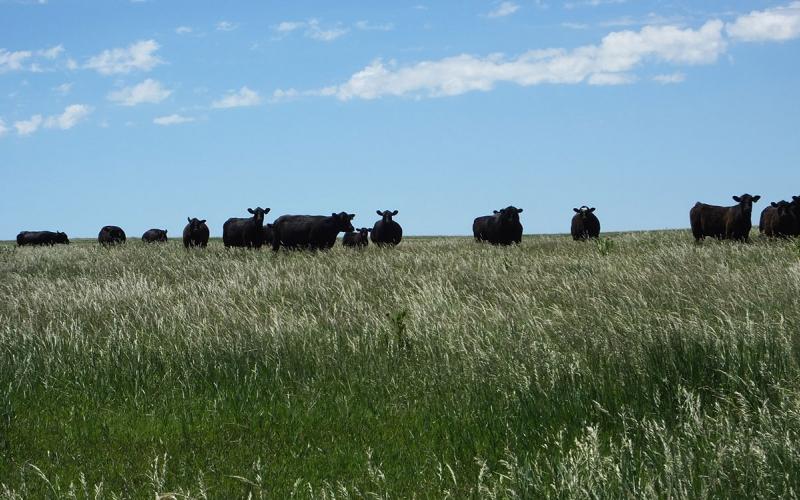
Grass-Fed Beef: Production Costs, Quality, Voluntary Certifications and Marketing
Generally speaking, grass-fed beef producers are challenged with production expenses that are greater than those of conventionally raised beef. However, profit margins can be greater than those of conventionally raised beef if marketed wisely and creatively.
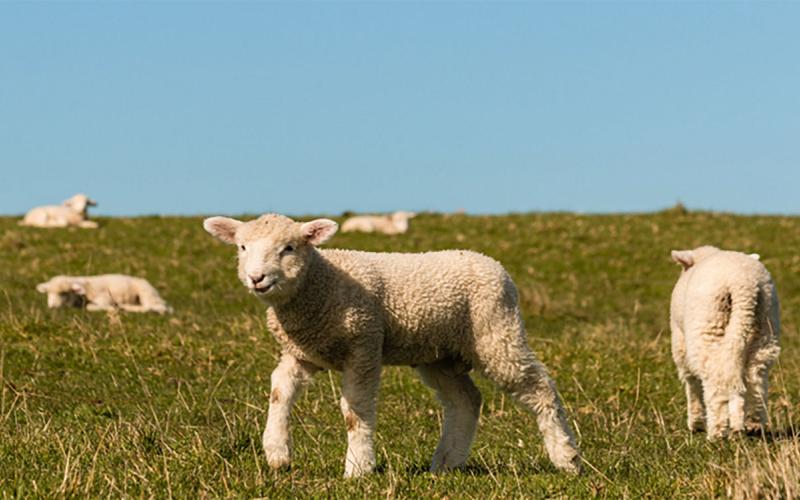
Breeding Ewe Lambs
Breeding ewe lambs can lead to an increase in the long-term flock productivity and profitability. Learn some expert tips to help determine whether breeding ewes is the right fit for your operation.
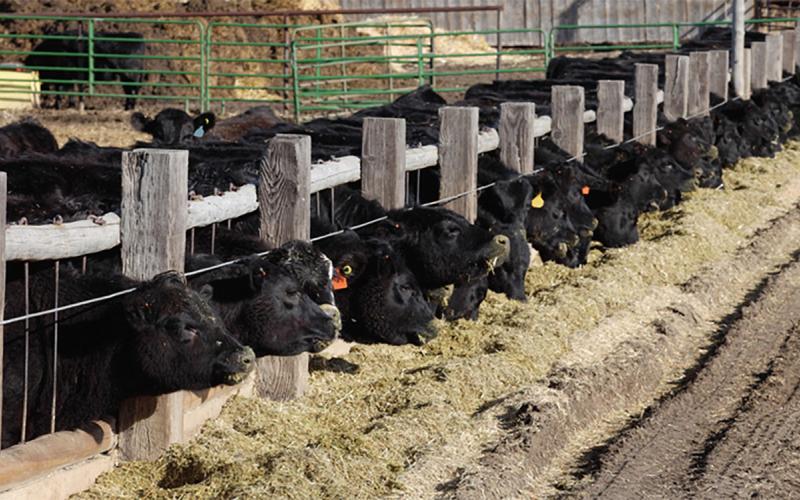
Roughage Use in Finishing Cattle Diets
Research has found that greater incorporation of roughage in cattle diets may reduce the risk of digestive upset and simplify management with minimal efficiency losses.

Considerations of Water for Sustainable Swine Production
The sustainability of water for swine revolves around responsible sourcing of water, efficient distribution, waste management, and continuous improvement in farming practices.
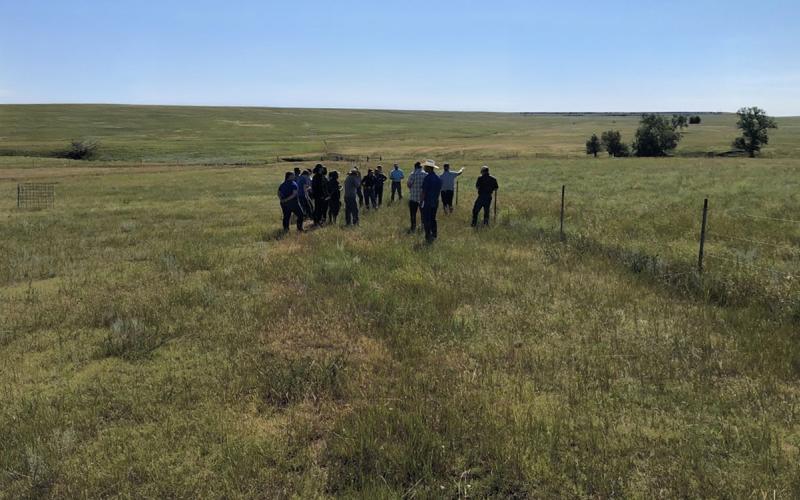
Systems Thinking for Agriculture: A tool for addressing complex ranch problems
A systems approach to management encourages producers to take multiple factors into consideration to solve problems within their agricultural operation.
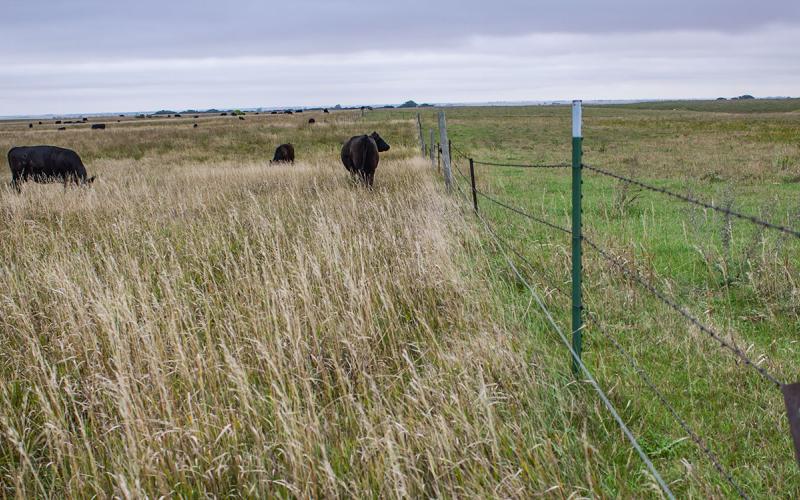
General Principals of Grazing Management
Grazing involves a number of variables, including land carrying capacity, type and distribution of the livestock, water distribution and number of pastures. A combination of proper grazing techniques and grassland management will improve harvest efficiency and lower production costs.
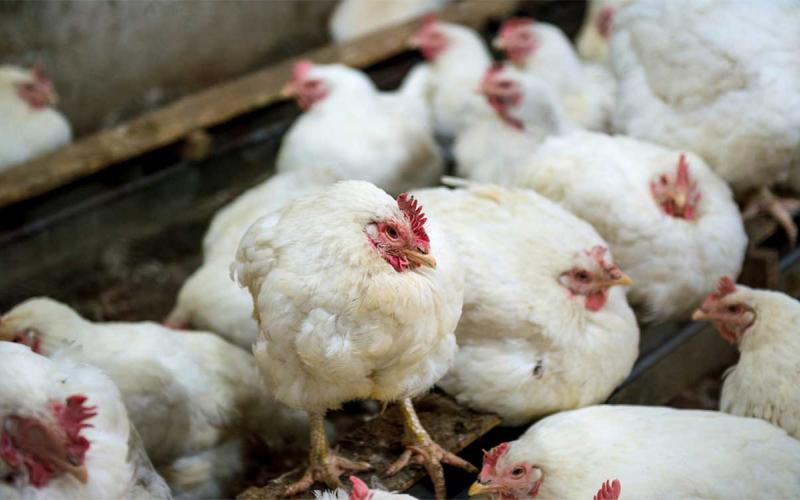
Importance of Chicken Infectious Bronchitis Virus: Q&A
Infectious bronchitis virus (IBV) is a coronavirus that infects chicken flocks, causing respiratory disease. Some IBV isolates can result in a kidney disease (nephritis). Drop of egg production in laying hens is an important sign for IBV infection.

USDA: CFAP 1 Program Payment Benefits to Producers
In examining the USDA Coronavirus Food Assistance Program 1.0 website, we are able to directly see the impact of the program and the payments made to producers across the country.
What’s Important to Know About Silage Additives & Inoculants?
Corn is suited to preservation as silage. Silage additives can be used to remedy deficiencies such as lack of sufficient population of bacteria to support adequate fermentation, and low levels of fermentable carbohydrates.