Search
Concentrated Animal Feeding Operations training June 28 in Huron
June 08, 2023
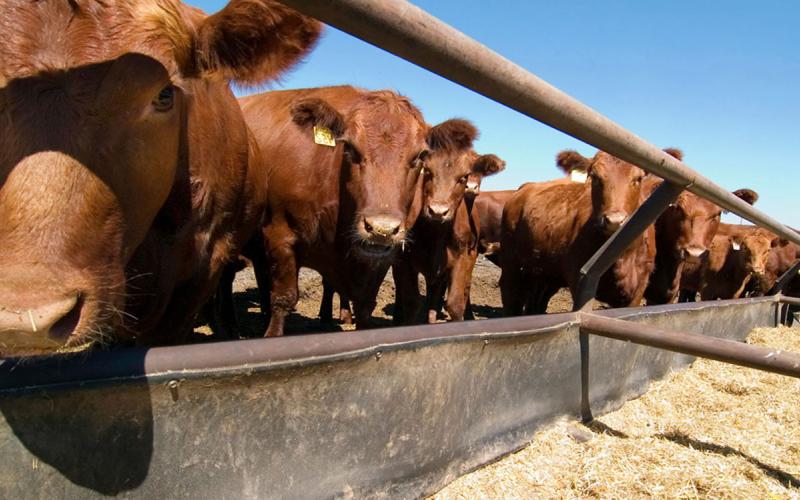
There is an environmental training session for operators of Concentrated Animal Feeding Operations (CAFOs) on June 28, 2023, at the Crossroads Convention Center in Huron, South Dakota.
Salvaging Drought-Stressed Small Grains
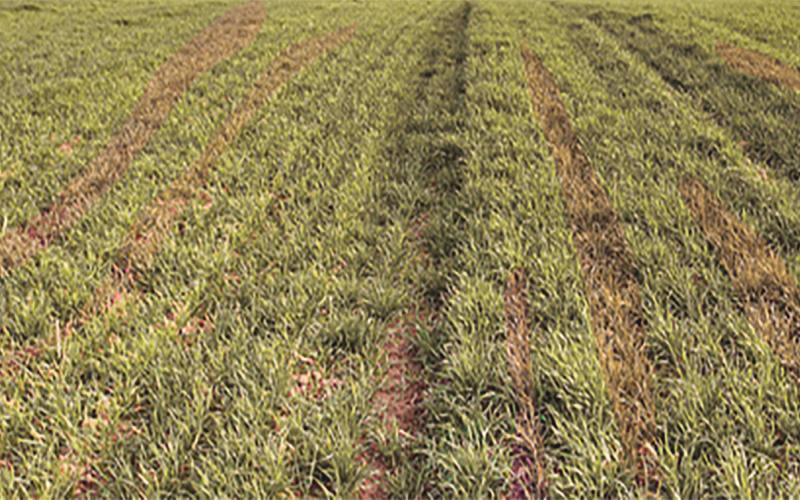
South Dakota producers often must consider whether to abandon plans to harvest small grain as a cash crop and pivot to harvesting as forage. Learn some factors to keep in mind when evaluating salvage options.
SDSU Pork Cares Farm Impact Report 2022
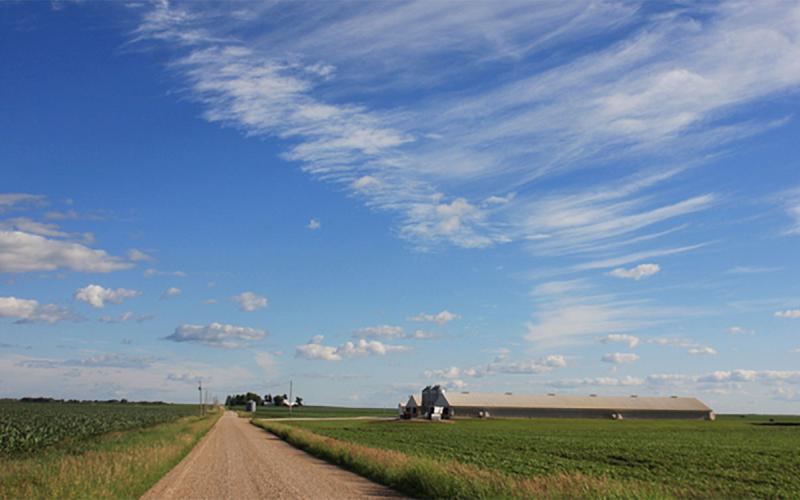
SDSU's Pork Cares Farm Impact Report details the efforts and practices employed by pork producers to promote sustainable agriculture, including environmental impact, social responsibility, and economic viability.
SDSU Extension encourages attending SD Cattlemen’s feedlot tours on July 20
June 27, 2023
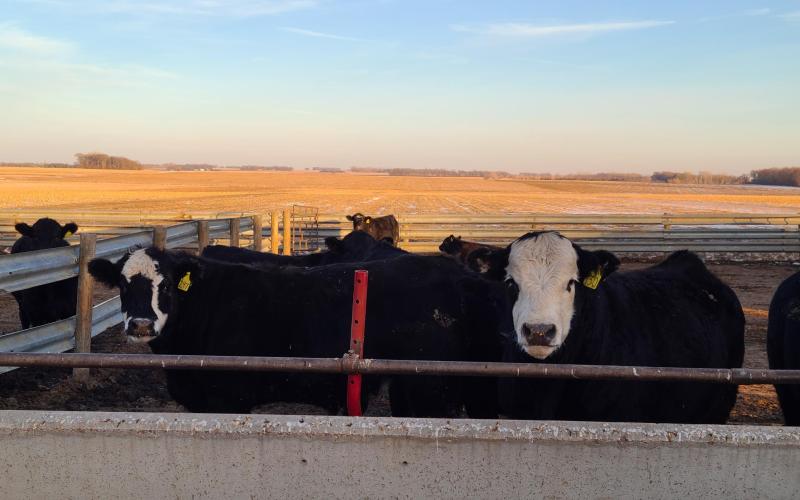
South Dakota State University Extension is inviting cattle producers, allied industry professionals or anyone interested in feeding cattle to attend the annual South Dakota Cattlemen’s Association Feeder Council feedlot tour on July 20 near Baltic, South Dakota.
The South Dakota State University West River Research Farm to host Field Day on July 11
July 07, 2023
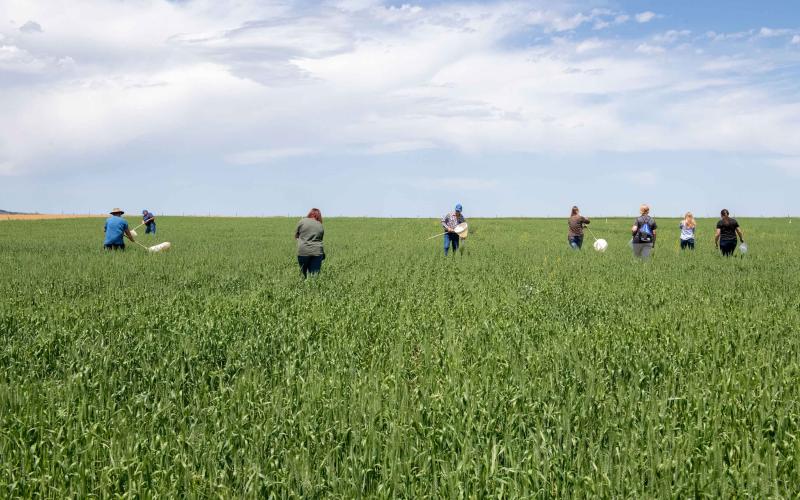
The South Dakota State University West River Research Farm Tour will be held on July 11 near Sturgis, South Dakota, running from 4 p.m. to 7 p.m.
Utilize Targeted Grazing for Firebreaks
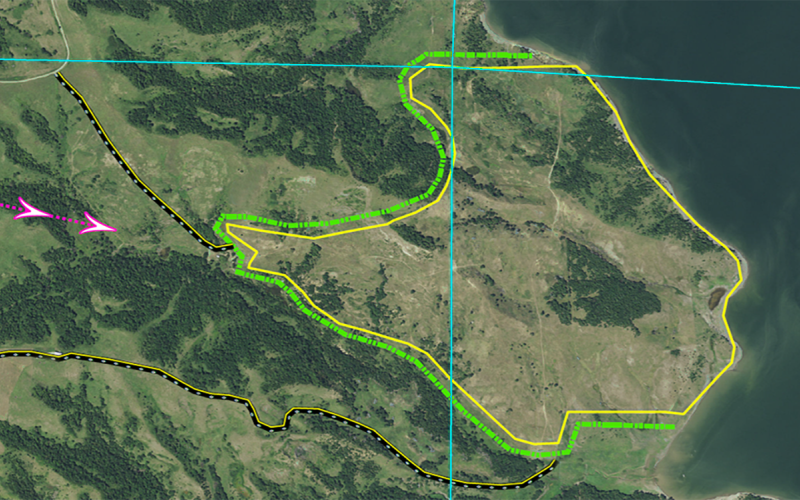
Targeted grazing incorporated into an overall rotational grazing plan can be an excellent strategy to reduce an area's available fuel load and create a soft, or green, firebreak.

Balanced Branched Chain Amino Acids in High Corn-Distillers-Dried-Grains-With-Solubles Diets Adjusted by Soybean Meal Level
Recent research at the SDSU commercial wean-to-finish research facility investigated the growth impact of different branched-chain-amino-acids-to-lysine ratios in swine diets high in corn distillers dried grains with solubles.
Supplementation Considerations for Ewes Grazing Dormant Winter Pastures and Rangelands
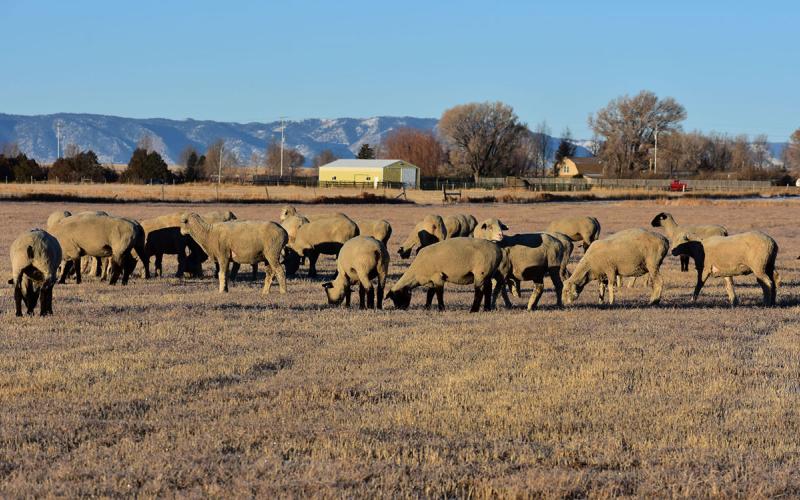
A recent collaboration between South Dakota State University and the University of Wyoming addresses the many questions surrounding grazing supplementation for sheep as forages enter dormancy.
South Dakota State University Raises Money for Scholarships at 30th Annual Lamb Bonanza
February 25, 2022
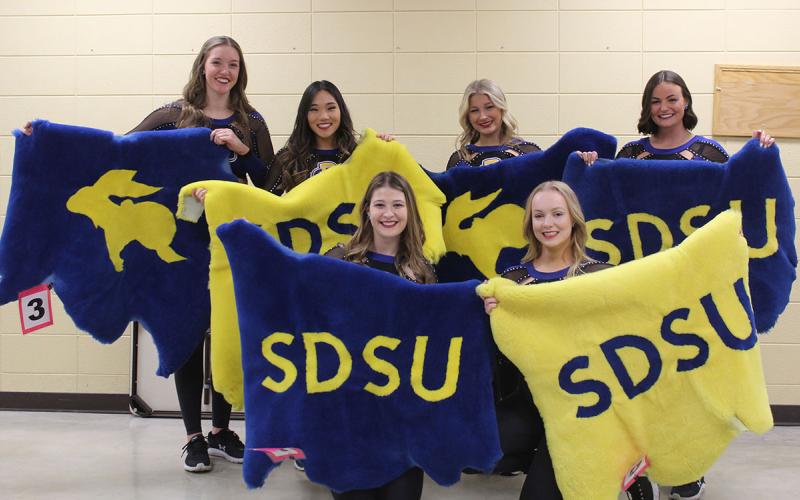
Lamb pelts were auctioned off at the 30th Annual Lamb Bonanza basketball game, generating more than $9,000 to support undergraduate scholarships for animal science students and student athletes.
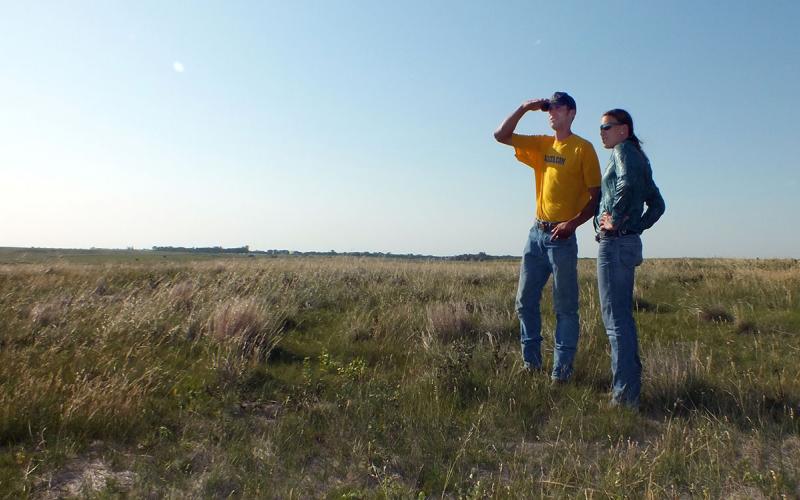
Five Range Management Principles: #1 Adaptive Management
Adaptive management is a process that livestock producers can incorporate into their operation to increase operation flexibility and adjust to changing conditions.