Search
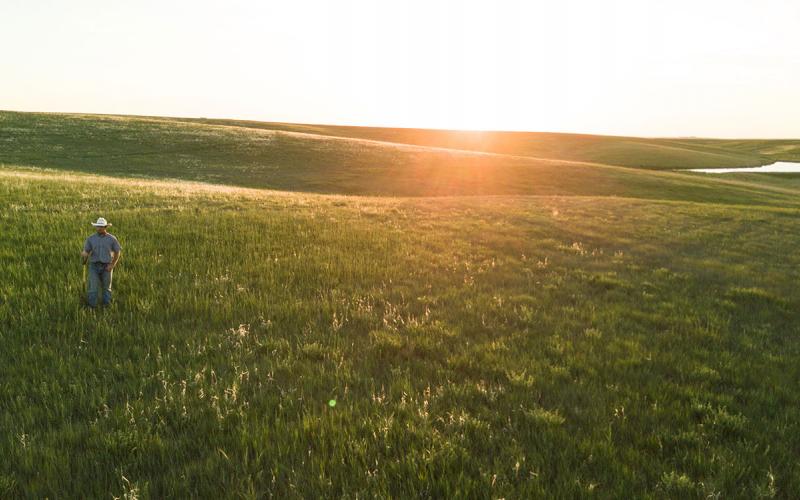
Grassland Fertilization: Terminology and Economics
This article is the first in a series of six focused on helping producers understand the pros and cons of grassland fertilization. We begin by learning some of the basic terminology and information related to fertilization.
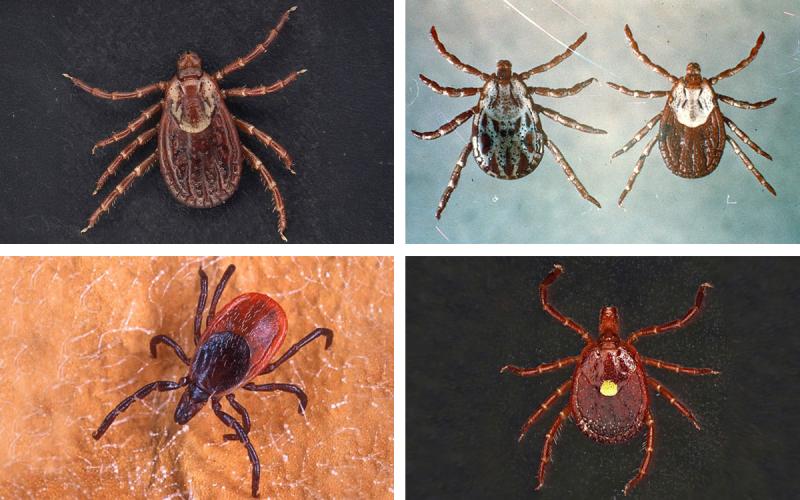
Spring is here, and so are the ticks!
As spring continues to bloom, more arthropods will begin to emerge from winter dormancy. Ticks are among the first to appear, and statewide reports have already been flowing in.
SDSU Extension helps producers navigate precision ag
May 28, 2025
Precision agriculture practices are growing as technology continues to evolve, and SDSU Extension is leading the state’s efforts to monitor and understand the role it plays.
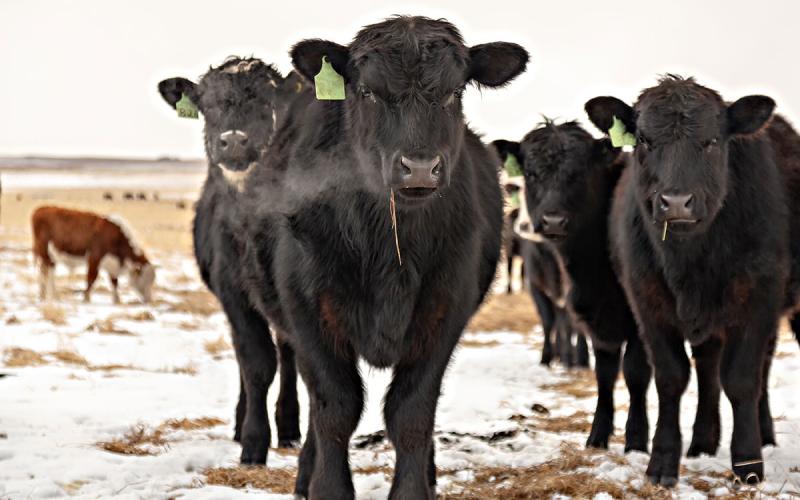
Keep Watch of Young Cows During Calving
Frequent observation of first-calf heifers and good recordkeeping around calving will give producers insight into which heifers are going to breed back and others that might need some extra care.
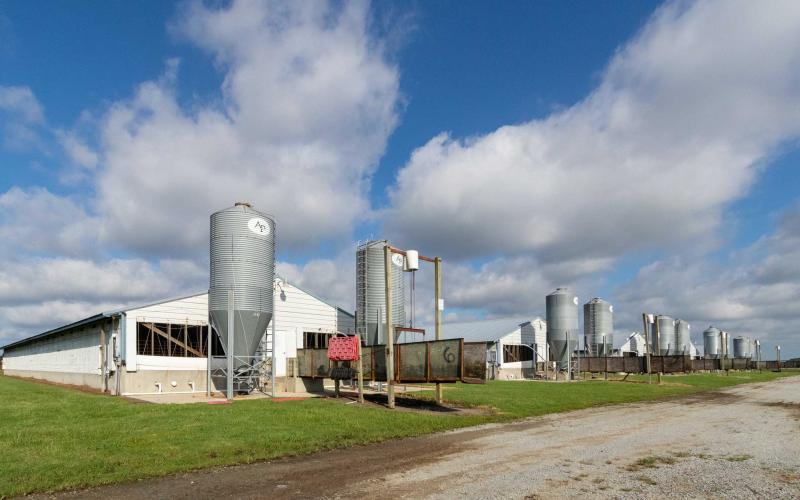
Preparing for a PQA Plus Site Assessment
The PQA Plus site assessment is an on-farm evaluation of a production site by a qualified PQA Plus Advisor. A review of standard operating procedures and office records, including caretaker training, animal observations, and the facilities will occur during the site assessment.
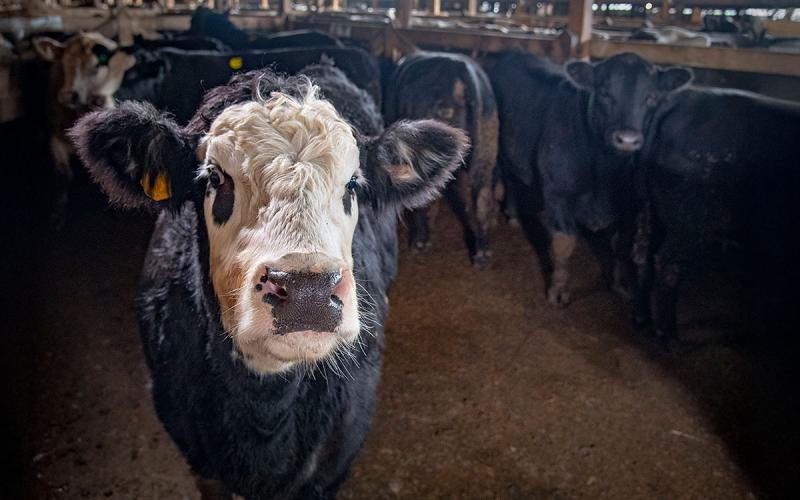
Purchasing Bred Females
Weaning time is here and the decision to retain or sell heifers is front and center. Regardless of your decision, there is opportunity to purchase bred females and increase the calves available to market next season in a strong market.
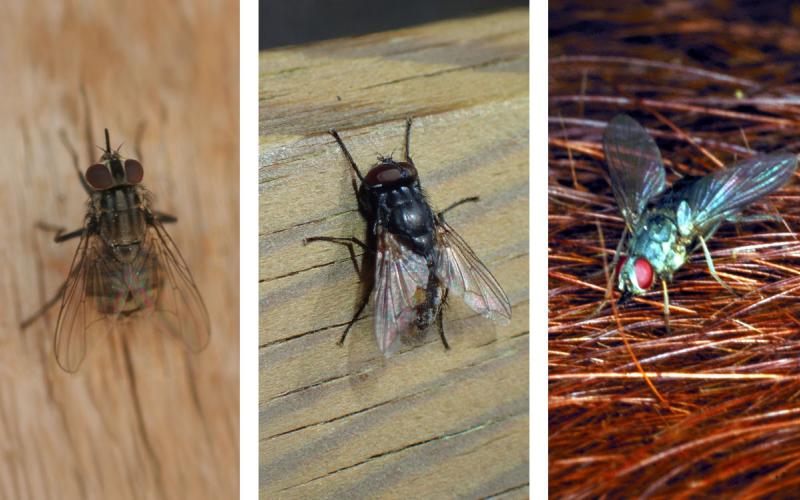
Fly Management for Cattle
There are several species of flies that can reduce the production value of livestock, particularly during hot, dry weather. To manage these pests, it’s important to be able to accurately identify them and understand their life cycles.
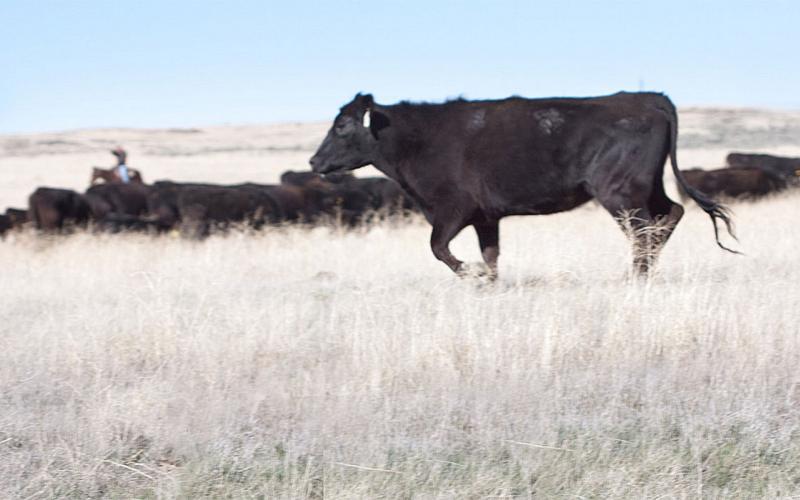
Trigger Dates: Critical Decisions for Drought Management
Having a drought plan in place ensures that you can overcome the inhibitions surrounding a drought response, the basis of which is figuring out trigger dates.

How the Veterinary Lab Diagnoses Anthrax in a Beef Herd
Anthrax is a serious disease of cattle that pops up somewhere almost every year in South Dakota. It’s caused by a bacteria that survives as a very tough spore form in the soil. Knowing whether a death on pasture has been caused by anthrax is important for several reasons.
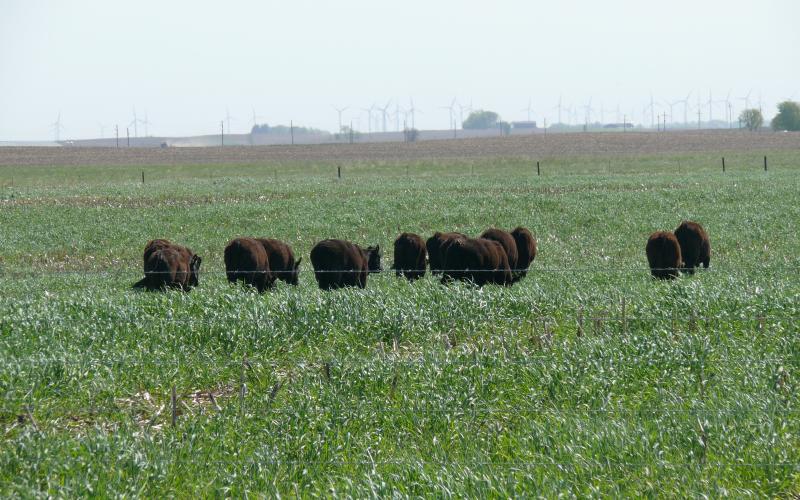
Cover Crops & Livestock Integration: A Profit Opportunity for S.D. Farms
Cover crops have been gaining a reemerging acceptance over the last decade, with very few producers disagreeing about the potential soil health benefits of adding cover crops to their farming operation.