Search
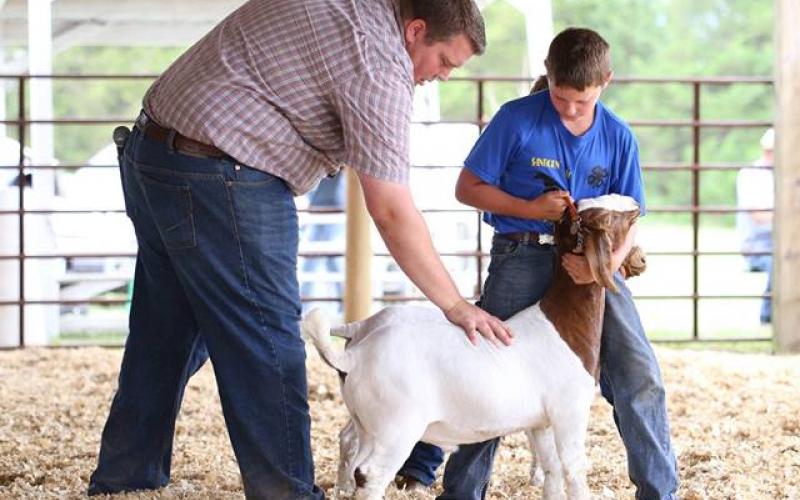
Bringing Home Your 4-H Goat Project
Sales and transport is a stressful time for any animal. Reducing stress factors due to transitions start before the actual purchase of your new project. Managing proper nutrition and disease management are just a couple factors to help your project get off to a great start.
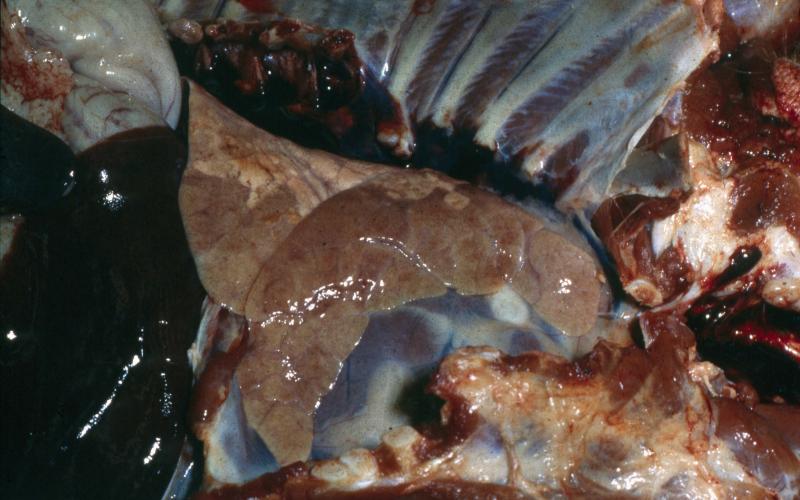
Get to the Root of Porcine Respiratory Disease Complex
Respiratory disease incidence increases in swine in the fall and winter. Changeable weather seems to trigger outbreaks. You and your veterinarian can supply meaningful samples to aid in determining a diagnosis. Contact your local diagnostic laboratory if you have questions on sampling.
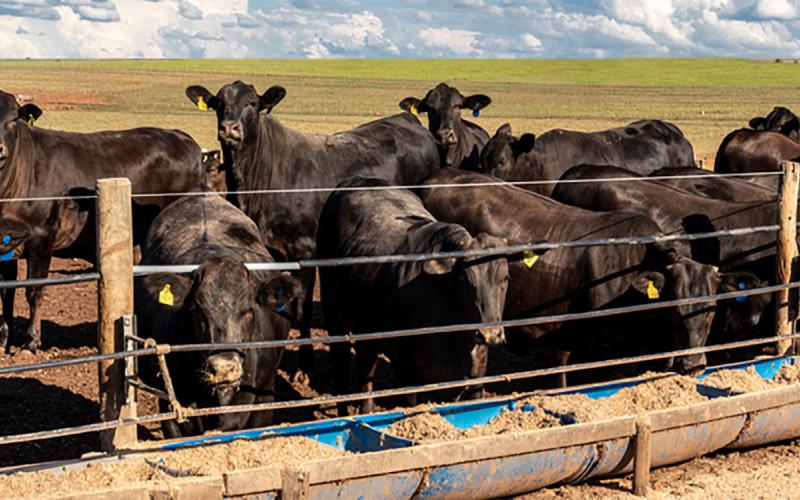
Getting the Most Out of Your Cull Cows
Pregnancy detection is a tool that producers can use to manage cow herd expenses. An open cow continues to incur feed and health expenses until they are marketed. Early pregnancy diagnosis may increase profitability if open cows can be culled earlier.
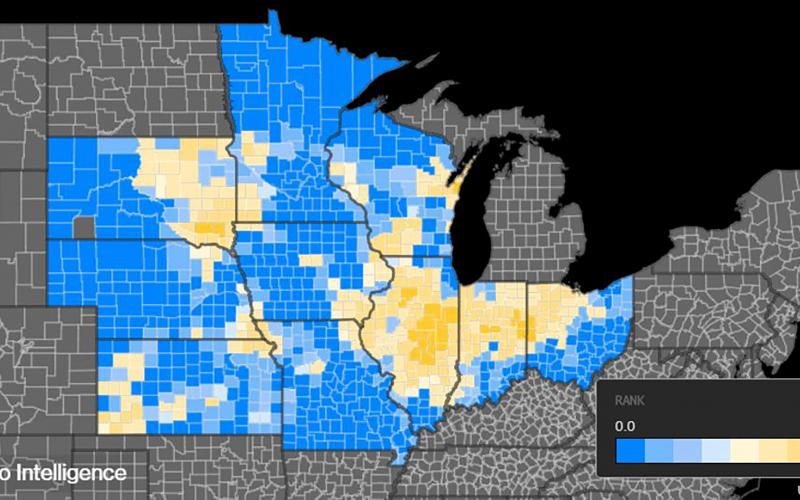
Stretching Corn Silage Supplies
During the 2002 drought there was a need to stretch corn silage supplies as a result of the drought that affected the U.S. Now we deal with the opposite scenario, where excessive spring rains have not allowed farmers to get to the fields. In both situations livestock producers face challenges.
Veterinary Feed Directive: What You Can’t Do With a VFD
Livestock producers and veterinarians have been adjusting to the Veterinary Feed Directive (VFD) rules put into effect on January 1, 2017. With the onset of the rules, producers need to square their previous treatment methods with what a VFD can and can’t do.
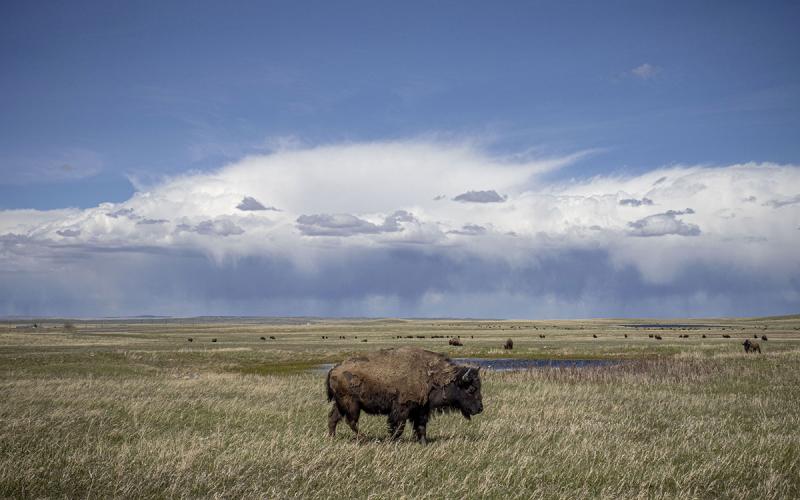
Climate Toolbox How-To: Preparing Your Ranch for Future Climate Scenarios
This article explores practical insights and tools offered in the Climate Toolbox that equip bison ranchers to make informed decisions in ranch planning, grassland management, and parasite control.
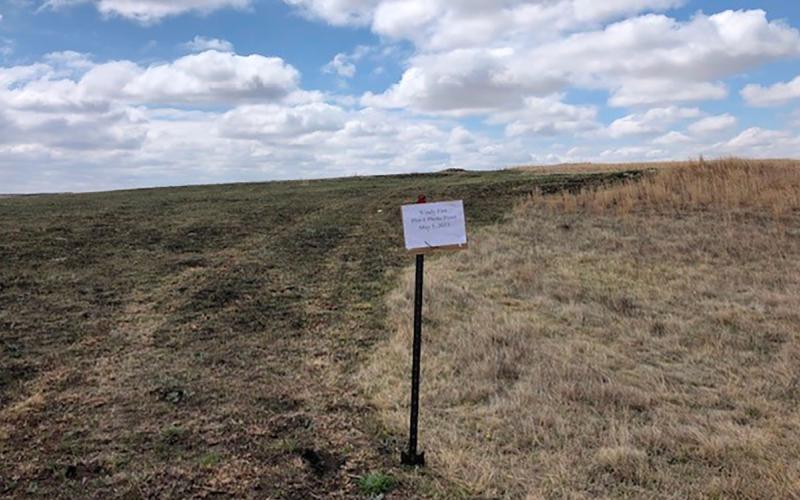
Range Roundup: Dormant Season Wildfire Project in Northwestern South Dakota
Two of the main environmental conditions that drive post-wildfire rangeland recovery include health of the rangeland ecosystem prior to the wildfire and climatic variables, such as precipitation or drought after the fire event.
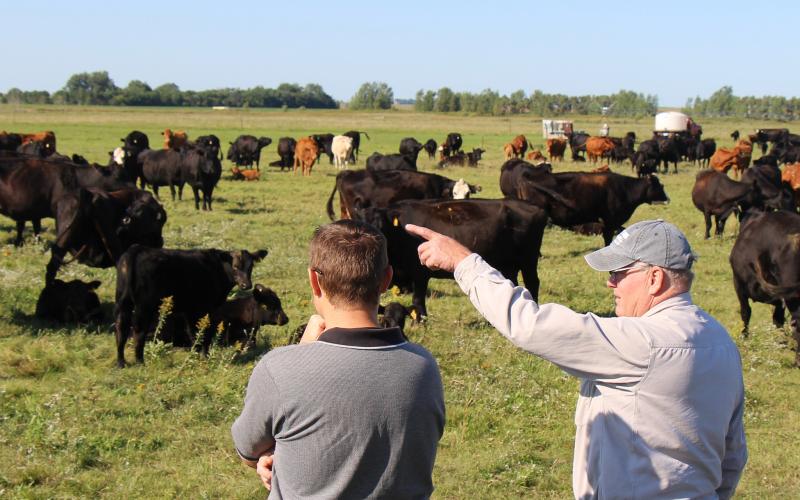
Observing Bulls at Pasture
Checking cows is a daily activity during the summer which becomes even more important once the bulls have been turned out to begin the breeding season. Why? If a bull isn’t doing his job or if he gets injured while on the job, there needs to be a plan B because at the end of the day cows still need to bred.
Using Feed Testing to Control Variation
By now all the summer and fall’s work of getting forage harvested has wrapped up. Now comes the task of converting all of that work into animal protein (at a profit)!
Keep Watch of Young Cows During Calving
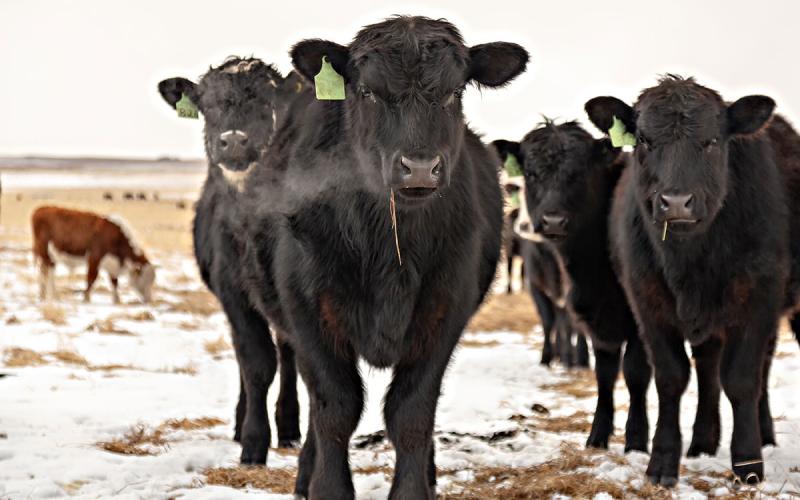
Frequent observation of first-calf heifers and good recordkeeping around calving will give producers insight into which heifers are going to breed back and others that might need some extra care.