Search
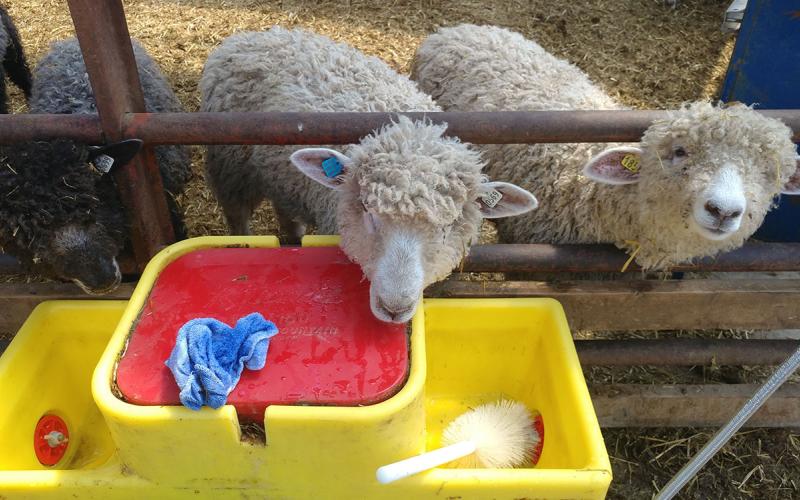
Sheep Water Requirements and Quality Testing
Water intake is critical for ensuring flock health, performance and heat stress mitigation. Learn some key considerations for water quality and intake requirements.
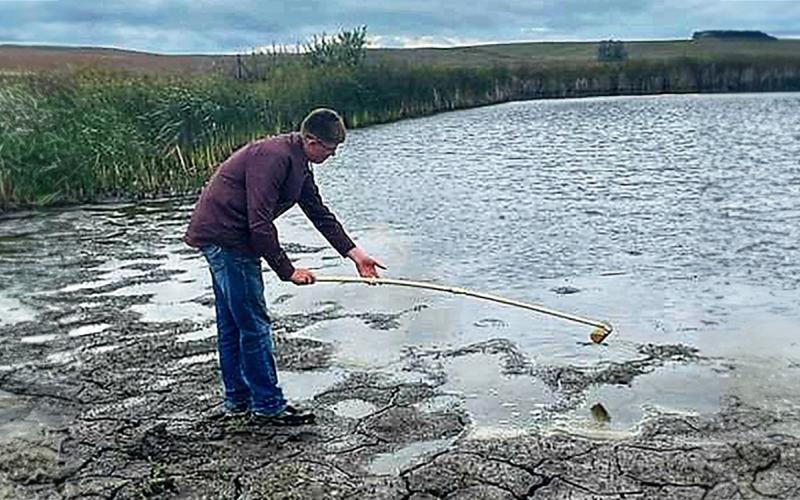
Performing a Field Test for Livestock Water Quality
Learn how to use some simple, readily available tools that can help analyze the quality of your livestock water sources right in the field.
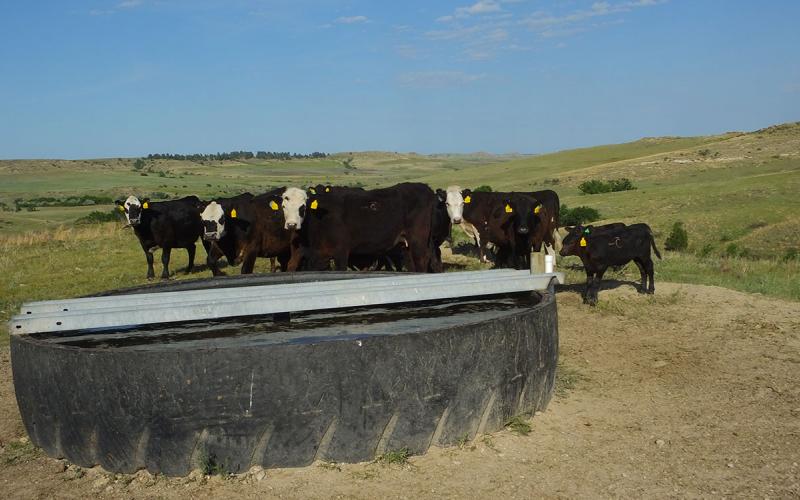
Water Quality
While producers have long acknowledged that access to water makes the difference between a profitable or unsuccessful operation, they are beginning to understand that water quality may be as important as water quantity.

Water Quality Standards in South Dakota
Fact sheet to raise awareness among citizens of South Dakota about the Water Quality Standards in the state.
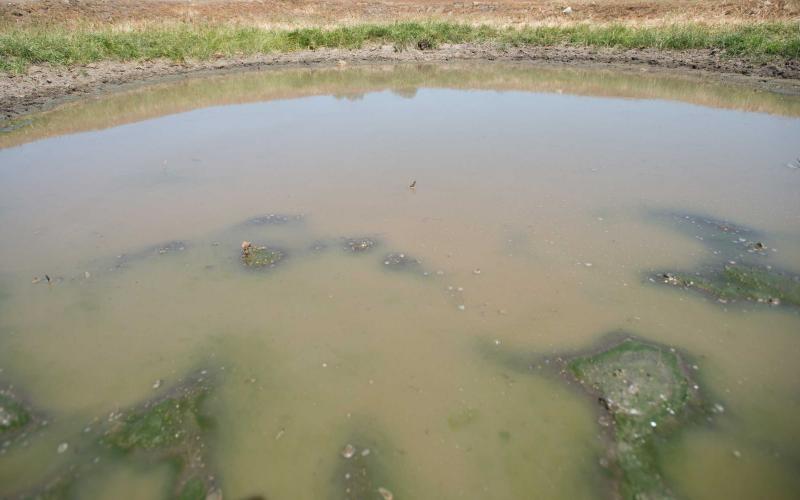
How Important Is Water Quality to Livestock?
Water is the most important nutrient to all livestock animals and is sometimes overlooked. Poor quality water can have a negative effect on growth, reproduction, and general productivity of the animal.
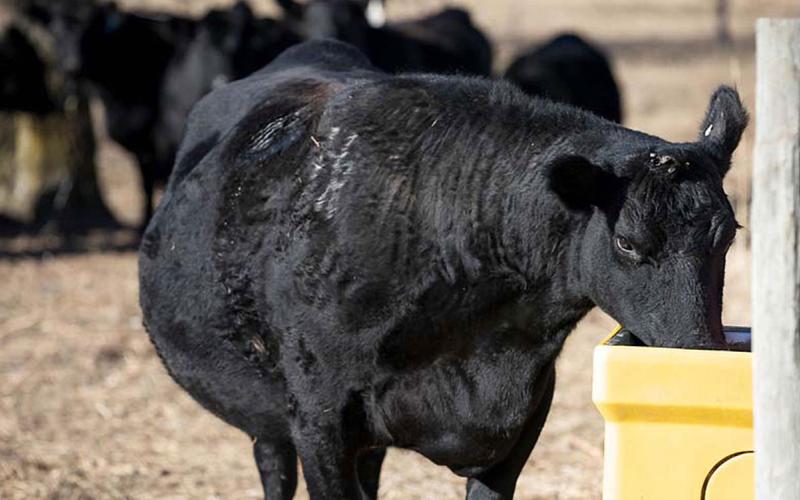
Weather and Water Intake in Beef Cattle
Water is a vital nutrient for beef cattle health and performance, and it is important to understand how weather can influence water intake during periods of warmer and cooler weather.
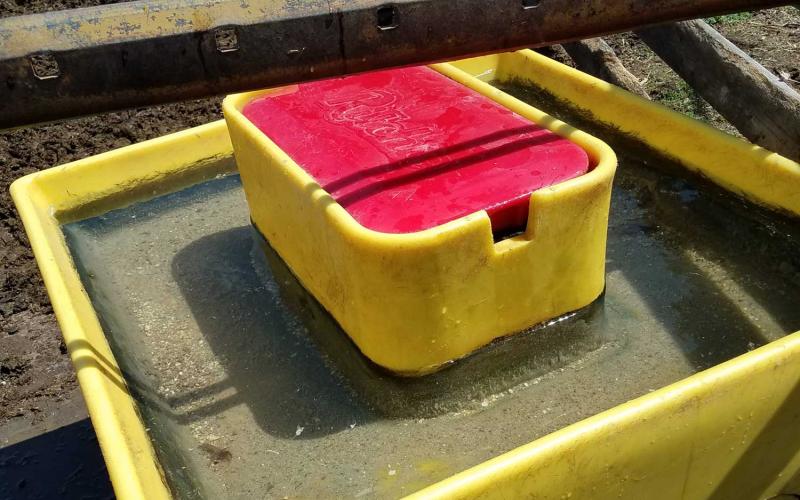
Water: The Unappreciated Nutrient
Water intake is strongly linked to feed intake, so any factors that cause cattle to drink less will lead to reduced feed intake and consequently reduced performance.
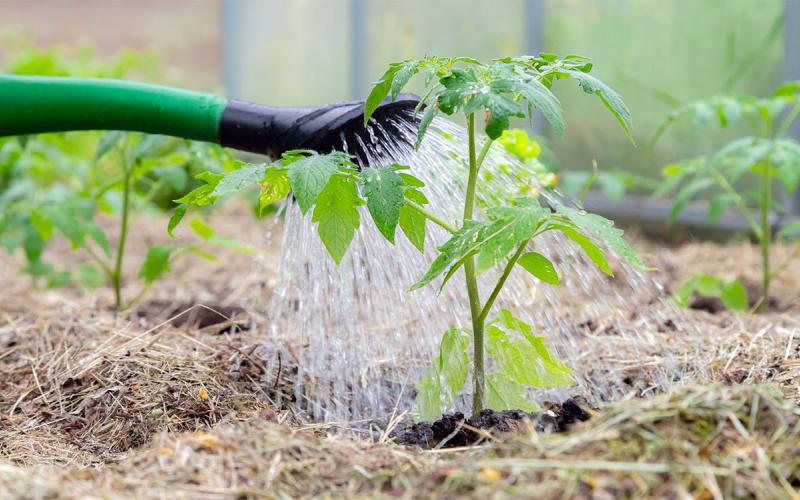
Microbial Water Testing for South Dakota Producers
Microbial water testing is important for produce growers to know the quality of their water to help ensure the safety of the fruits, vegetables, and herbs they produce.
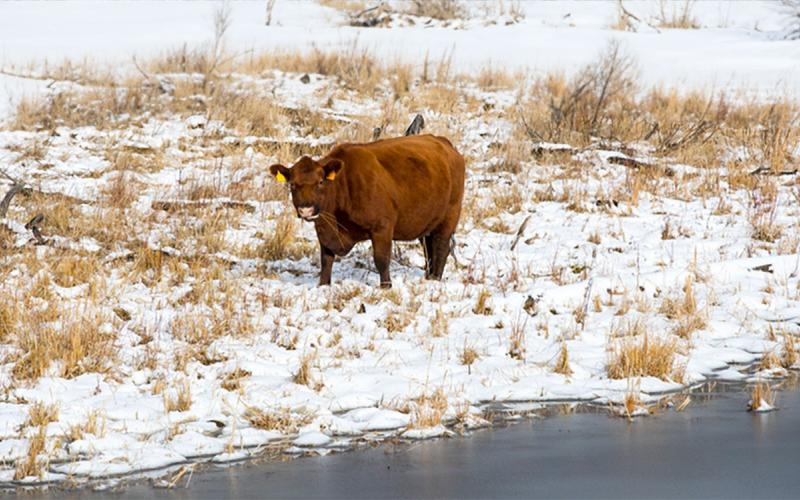
Icebreakers: Winter Water Supply
Cold weather creates a challenge for producers who house their herds in areas where there are limited water resources and available natural water sources may be frozen over.
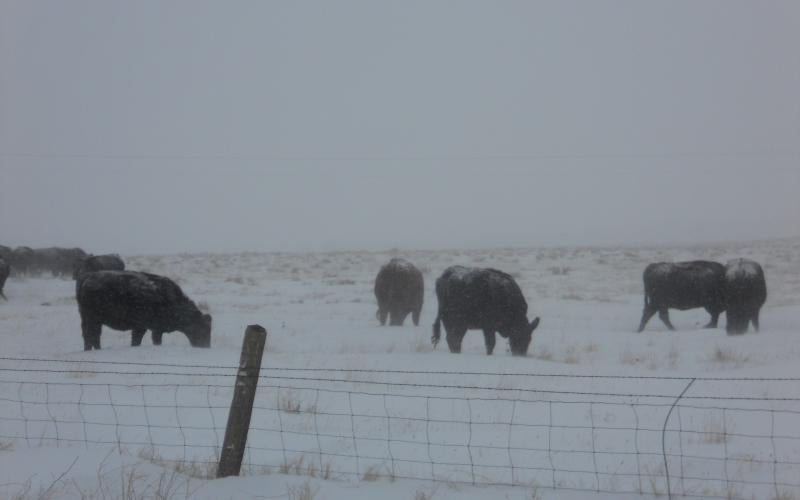
Winter Water Systems Cattle HQ Live
Join SDSU Extension's beef team to gain valuable insights to improve the health, productivity and profitability of your herd. This month, we will highlight options for delivering water in a cost-effective manner for both grazed and confined cattle.