Search
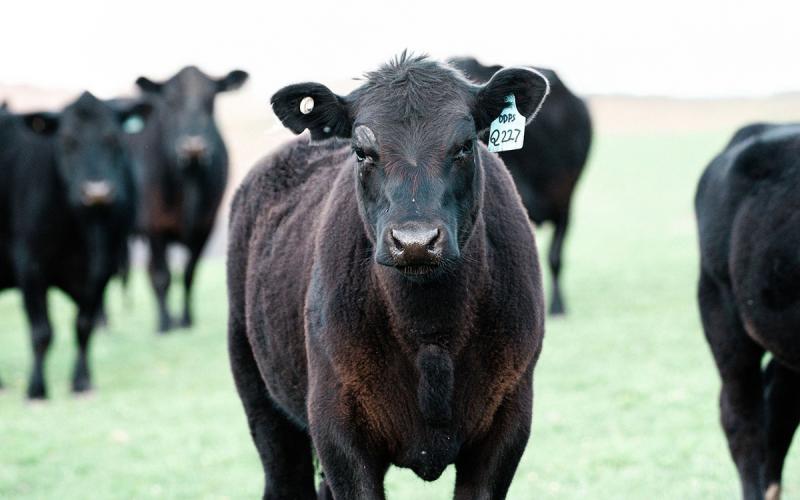
Breeding and Marketing Strategies
The debate as to when or if the U.S. beef cattle herd will begin rebuilding this year is yet to be determined. While cattlemen operate record low cattle inventory numbers, the decision to retain females will be unique to each operation.
Early Preplant or Preemergence Applications for Weed Management in Corn: Which is better?
Preemergence herbicides should be a part of a successful weed management plan, as these applications limit the amount of early-season weed interference to limit yield loss and reduce selection pressure on herbicide-resistant weeds.
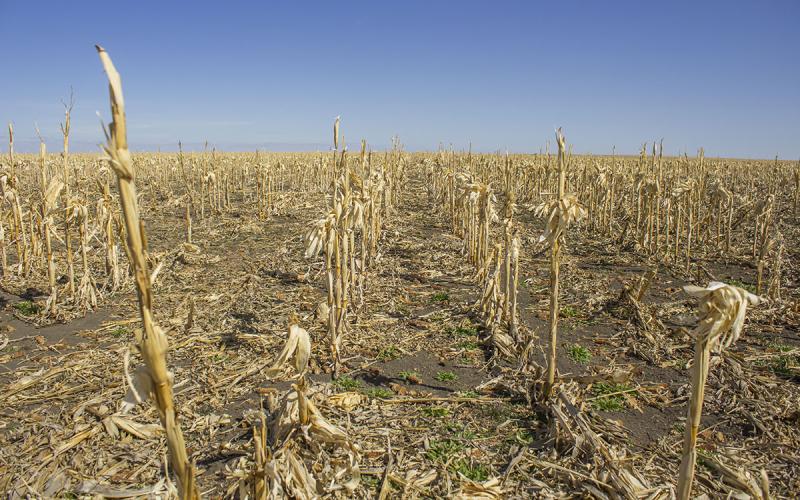
Watch Temperature Forecast Before a Burndown Herbicide Application
As planting season approaches, no-till fields will likely need a burndown herbicide application to manage the established winter annual and early emerging summer annual weeds.
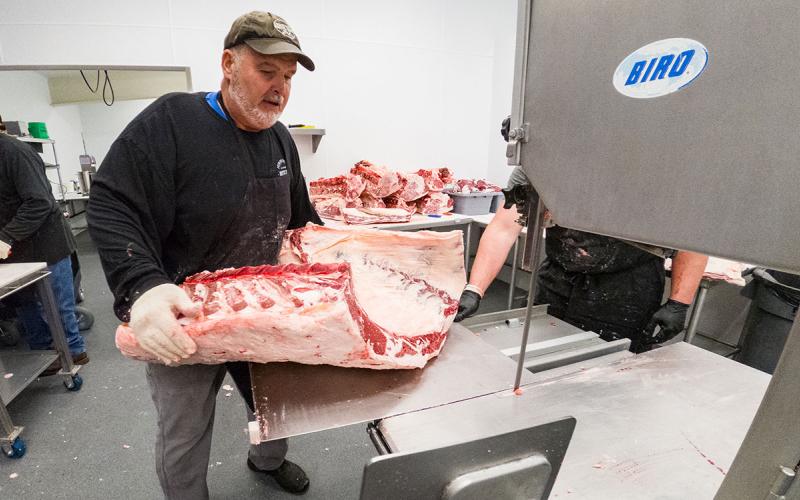
Butcher's Guide to Red Meat
The purpose of this guide is to serve as an educational resource to help bridge the knowledge gap between livestock producers, meat processors, and consumers to aid in furthering processor education and to serve as a resource to reference when answering consumer questions.
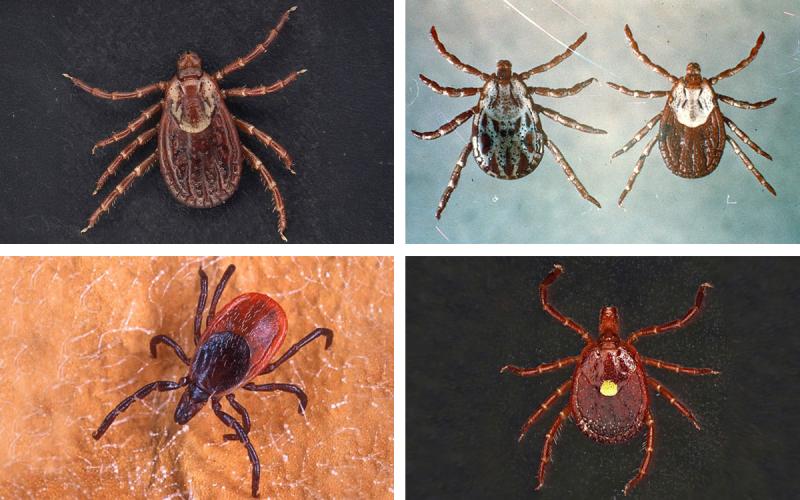
Spring is here, and so are the ticks!
As spring continues to bloom, more arthropods will begin to emerge from winter dormancy. Ticks are among the first to appear, and statewide reports have already been flowing in.
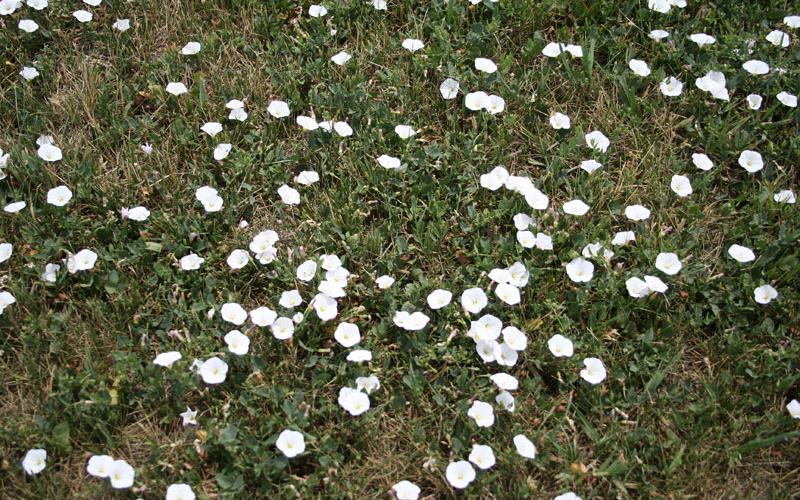
Lawn Weed Control
Cultural weed control practices must be included in weed management programs to optimize control and inhibit re-infestation. A healthy, dense turf cover is the best overall defense against weed invasion. Some common cultural weed control practices include planting the most adapted turfgrass species for your environment (i.e. shade, full sun, or hot, dry conditions), maintaining a mowing height of 2.5–3.5 inches, watering deeply but less frequently, and proper soil maintenance including fertilization and core aerification.
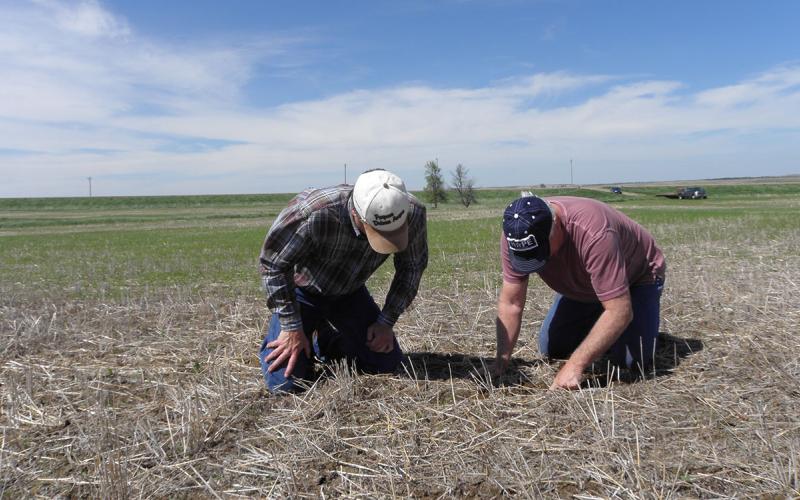
Gearing Up for the Grazing Season: Soil Health
Grazing season is around the corner and preparation before turning out is key. Understanding the intersection between soil health and grazing can help improve the function of your grazing system.
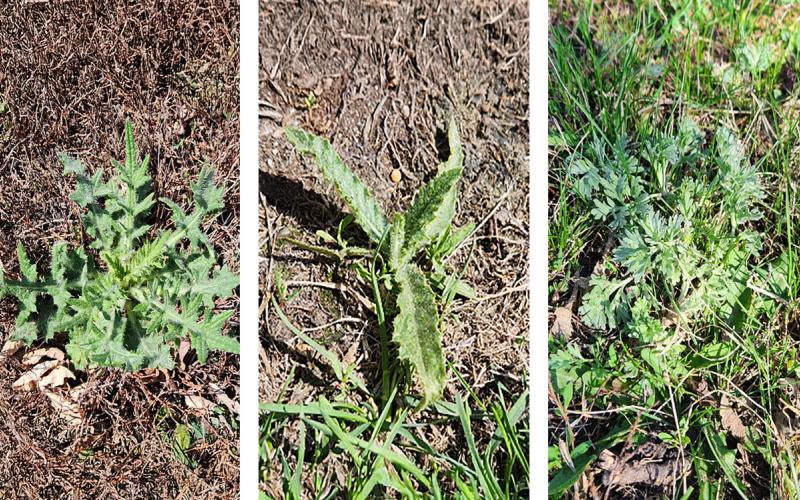
Noxious Weeds Have Germinated in East River South Dakota
Seasonal conditions have been favorable for weed germination, including biennial thistle, Canada thistle, and absinth wormwood. Learn some tips for scouting, identifying, and managing these noxious weeds before they become a problem.
Fire Blight
Fire blight is a disease that can infect apples, pears, and certain ornamental species including crabapples, cotoneaster, and mountain ash. Occasionally it may also appear on cherries, plums, Juneberry (also called Serviceberry or Saskatoon), and raspberry. This disease, caused by the bacteria Erwinia amylovora, can damage blossoms, fruit, leaves, shoots, and branches. If it is not controlled, fire blight may kill the entire tree or shrub. Infected tissue cannot be cured, but will need to be removed from the tree to prevent further spread.

Broccolini Performance in Three Established Clover Living Mulches in Eastern South Dakota: Year Two Results
Research report determining the impact of three established clover species on weed suppression, crop growth, and broccolini yield in year two.