Search

Labeling of Prepared and Processed Foods in South Dakota
Labeling requirements vary in accordance with the type of food that is being sold and in several instances how or where it was prepared or processed.
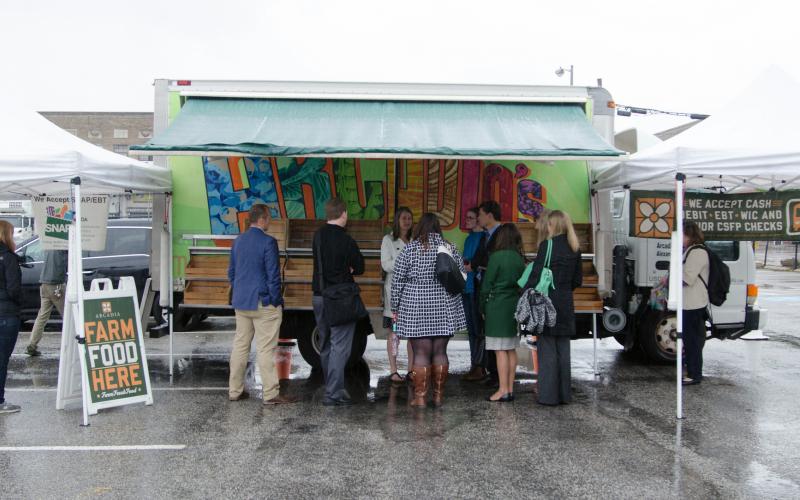
The Benefits of Food Hubs
Food hubs provide another marketing option to producers who do not have time to participate in a farmers market or other direct marketing venues.
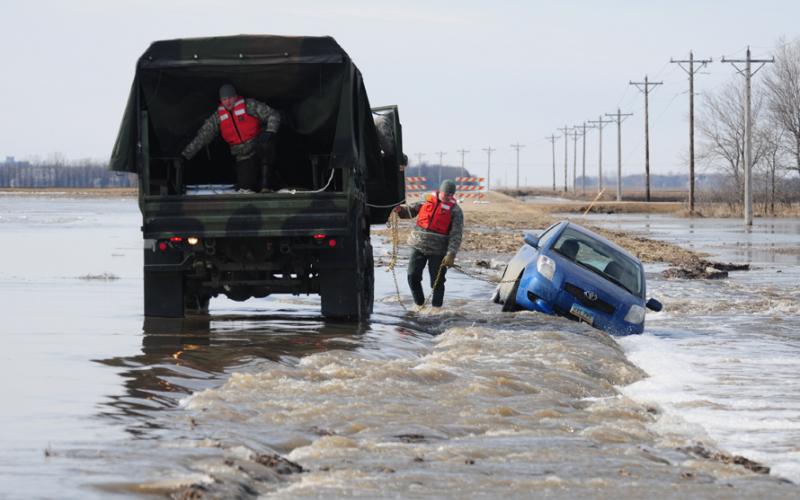
Floodwater: Road Crossing Hazards
During flooding, and when driving in the countryside we oftentimes encounter a creek or stream running on top of the road. Be aware that a course of water running over the road can turn into a very dangerous, even life-threatening situation if you attempt to cross it with your vehicle.
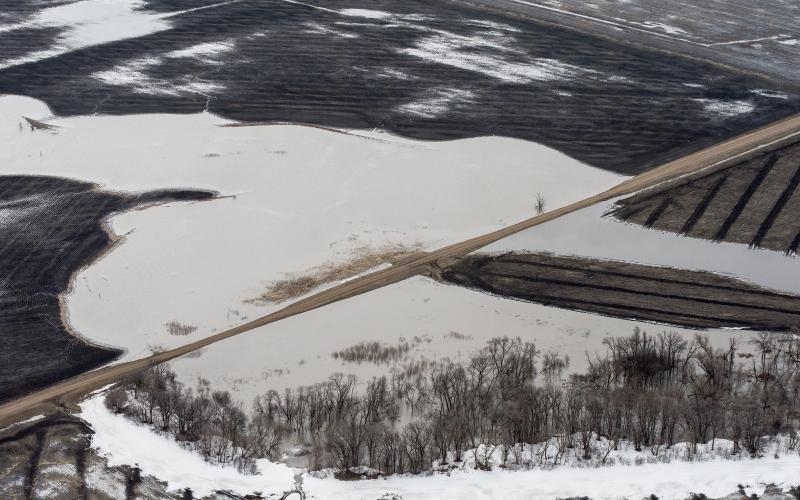
Managing Soil and Soil Fertility After Flooding
During floods, your fields will experience different amounts of erosion, sediment deposition, and crop residue accumulation. To avoid compaction of these soils it is crucial to let soils drain and dry out sufficiently before removing any large debris from fields or working the soil.
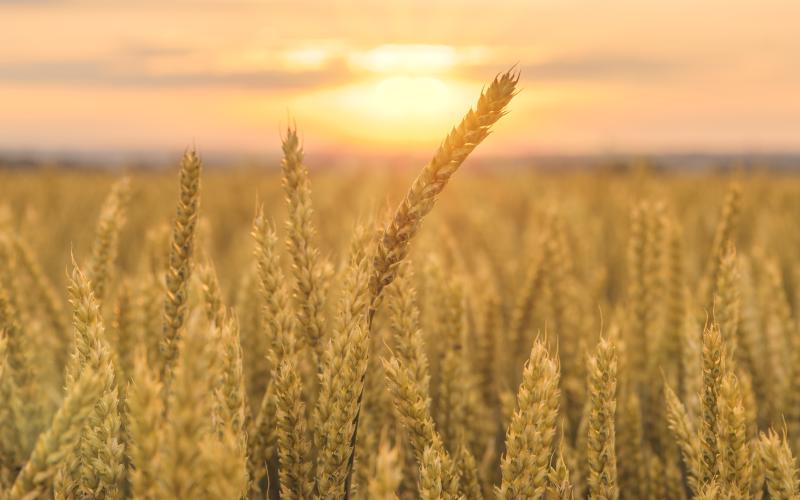
2018 Field Plot Summaries for Wheat Disease Management Trials
The wheat disease management field experiments conducted in the 2018 growing season evaluated several experimental and commercially available fungicides for managing foliar, head or root diseases of spring wheat. Foliar and spike/head diseases incidence and severity were assessed. The field experiments were implemented at Volga Research Farm and Northeast Research Farm (NERF) near South Shore, SD. Results of the same experiment may vary between Volga and Northeast due to environmental differences between the two locations.

Cleanup in Your Home: After the Flood
When faced with disaster, one may not know where to begin or what to do when cleaning out our homes and businesses following a flood. To get started with this task, SDSU Extension has put together a list of resources to help start cleaning flood damages, personal belongings, and mold and mildew issues.
Sorghum Weed Control
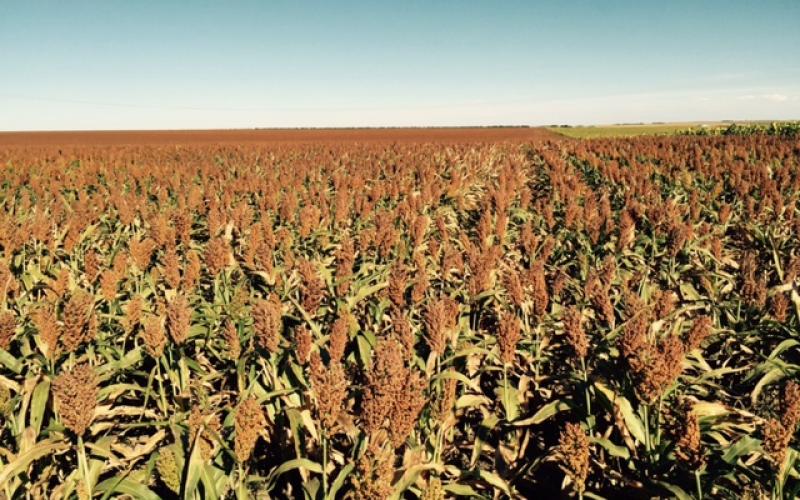
Early competition, especially from grass, is critical for successfully controlling weeds in sorghum. There are preemergence as well as postemergence herbicides available for this crop. Early treatment provides the best control of broadleaved weeds with crop stage also being a critical factor for some postemergence treatments.
Checking and Treating Domestic Water Supplies After a Flood
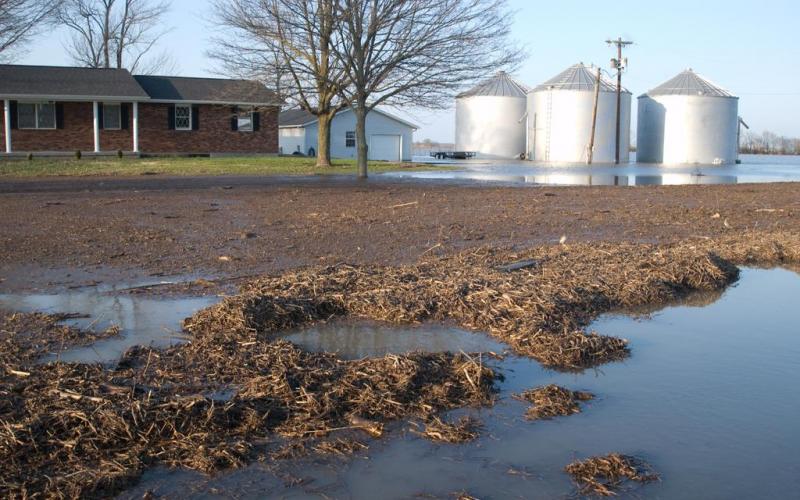
Depending on its location, domestic well water supplies can oftentimes be negatively impacted during a flood.
Stored Grains and Flooding
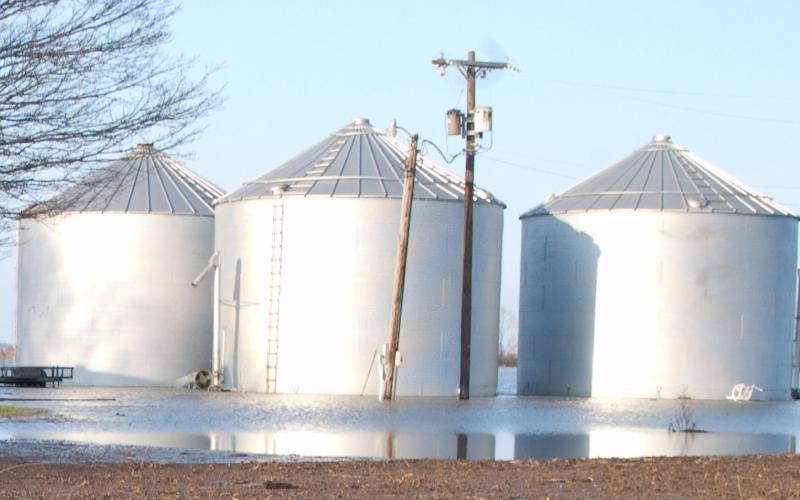
According to the Food and Drug Administration, grain inundated by watercourses is considered adulterated and must be destroyed. The portion of the grain that is not affected by the water can still be salvaged for its use.
Planting Into Wet Soils
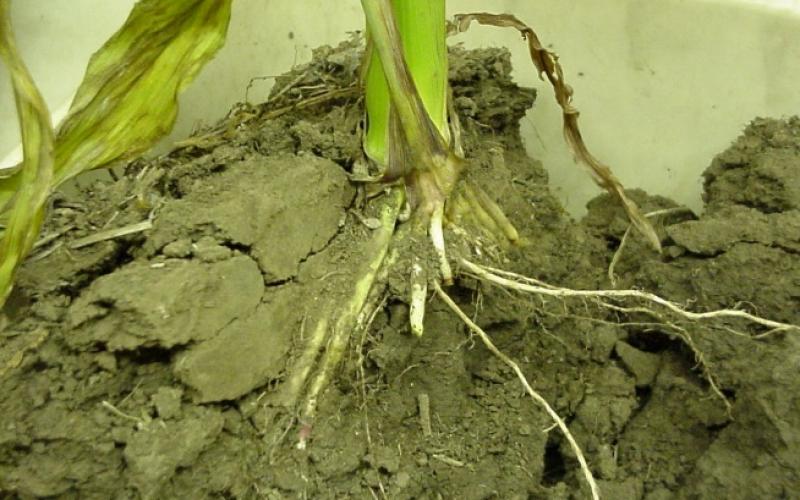
It is evident that there are high chances of planting into wet soils this spring. This is not a good decision when normal soil conditions appear to be attainable, but this year we may not have a choice.