Search
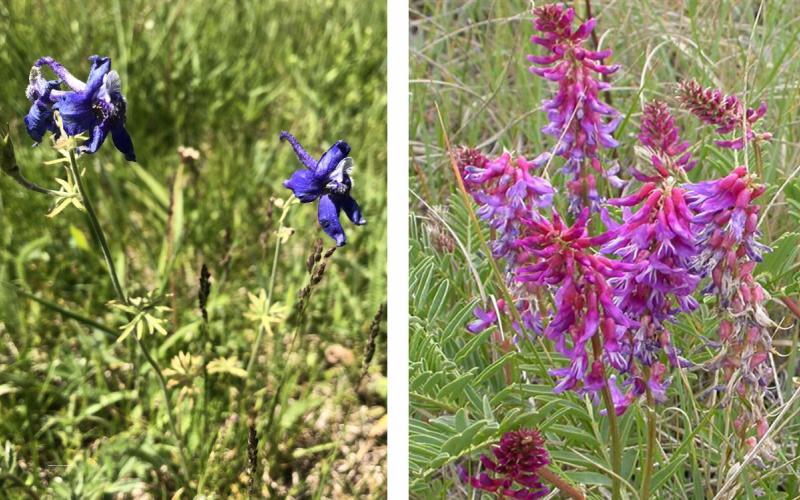
Poisonous Plants on Rangelands: Larkspur and Poisonvetch
Larkspurs are the second leading cause for all livestock deaths from toxic plant poisoning. Poisonvetches are considered accumulator plants that uptake excessive levels of selenium and cause toxicity problems in cattle.

Community Wellness Coalitions
Community wellness coalitions bring together community-based organizations, stakeholders and wellness experts to identify and address wellness challenges.
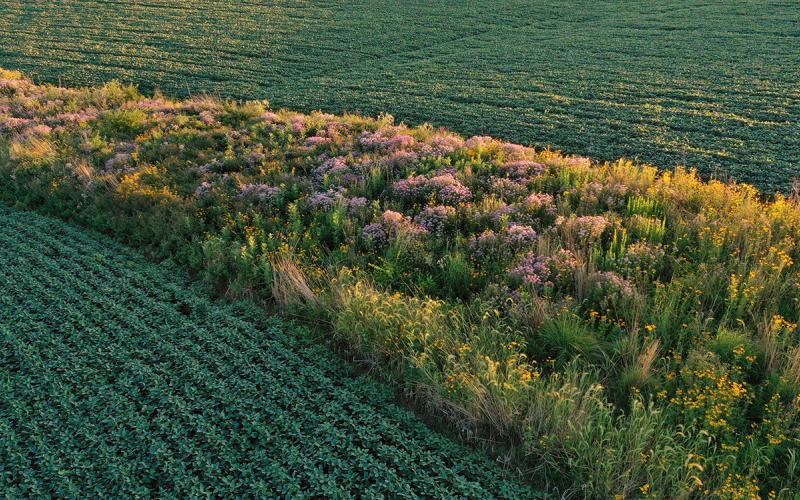
Using Prairie Strips To Protect South Dakota Water
Prairie strips are a new continuous Conservation Reserve Program practice that integrates native prairie plantings oriented linearly within a row crop field to reduce soil erosion and runoff.
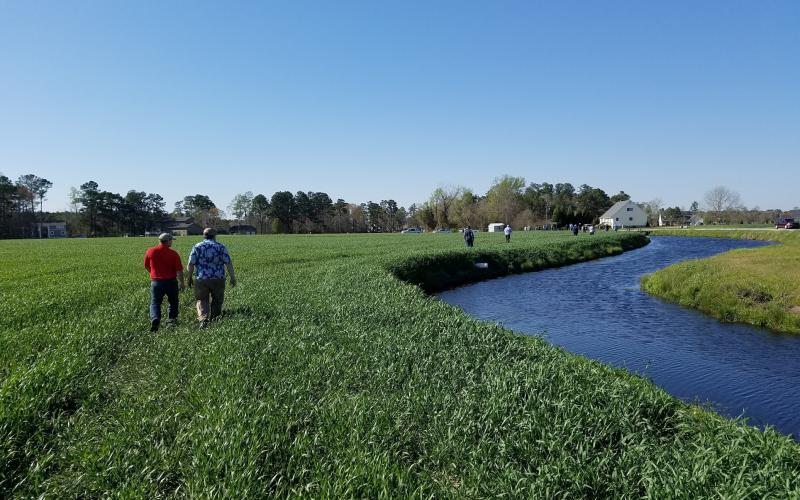
Conservation Drainage Complexities Part 2
What can we do to prepare for the future of conservation drainage?
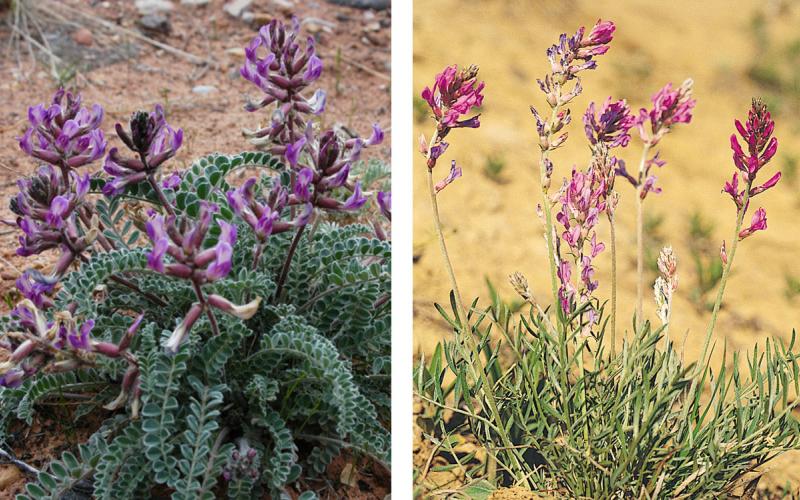
Poisonous Plants on Rangelands: Locoweed and Crazyweed
Locoweed and crazyweed are found throughout South Dakota rangelands, and both can cause livestock poisoning.The names locoweed and crazyweed are often used interchangeably. However, there are notable differences between the species.

Peterson Farm Brothers to Headline AgriCulture on the Square
July 23, 2021
After a one-year break due to the pandemic, AgriCulture on the Square will be back in Rapid City, South Dakota on Saturday, Sept. 11.
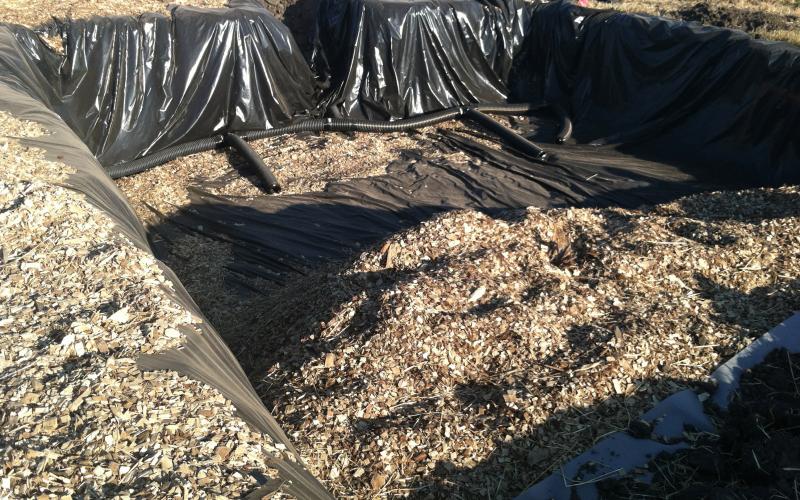
Bioreactors and Your Bottom Line
Why are bioreactors unpopular and what can we do to incentivize farmers to put them in?
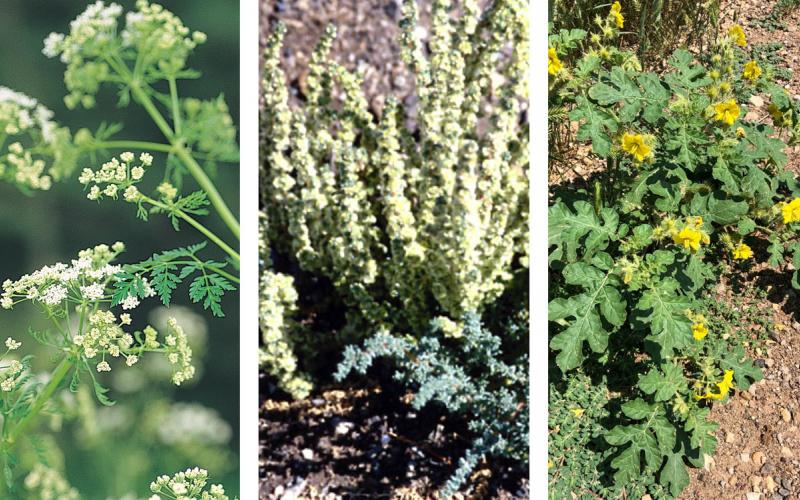
Poisonous Plants on Rangelands: Hemlock, Halogeton and Buffalo Bur
Several species of poisonous plants are invasive and can easily establish dense stands when there is a disturbance on rangelands. Hemlocks, halogeton and buffalo bur can all be found throughout South Dakota and are toxic to livestock.
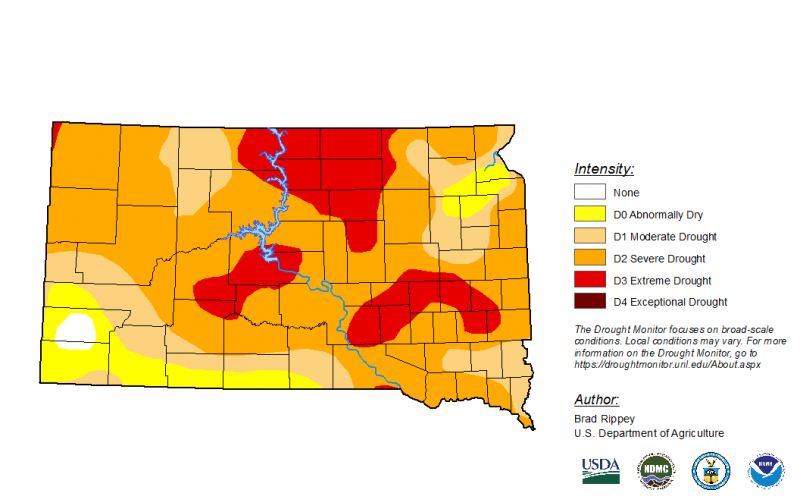
Controlling Grasshoppers, Salvaging Drought Corn Kick Off August Drought Hours
August 04, 2021
According to the latest U.S. Drought Monitor, nearly 18% of the state is in Extreme Drought (D3), while another 70% follows as Severe Drought (D2).

Saturated Buffer Situations
What is a saturated buffer and how can they be beneficial to farmers?