Search
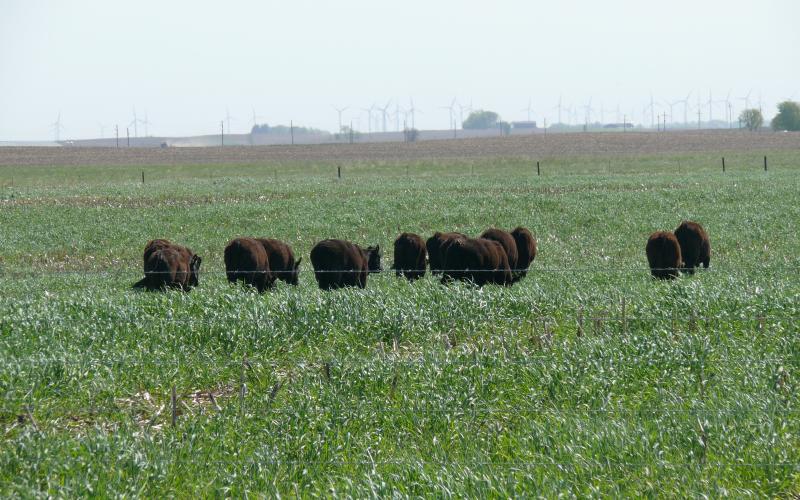
Cover Crops & Livestock Integration: A Profit Opportunity for S.D. Farms
Cover crops have been gaining a reemerging acceptance over the last decade, with very few producers disagreeing about the potential soil health benefits of adding cover crops to their farming operation.
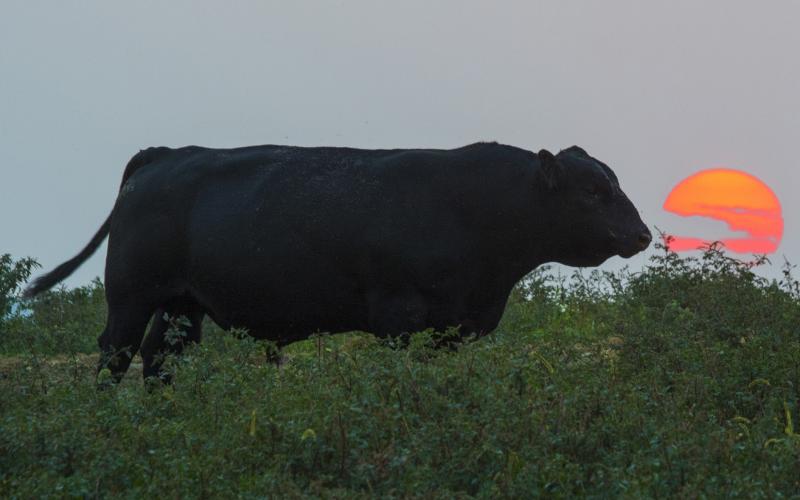
Bull Selection
Bull sale season is upon us and those who are in the market for a new herd sire face a choice that will impact their herd for many years.
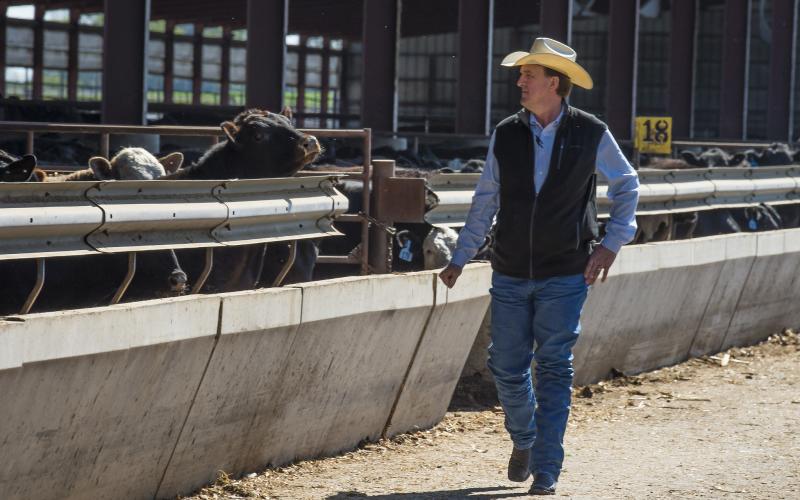
Making Use of “Ugly” Feeds
Feed does not have to be perfect to be useful. The key to making smart feeding decisions is knowing what the imperfections are and adjusting accordingly.

Large Farms More Dominant in South Dakota Crop Production
Large farms play a more dominant role in South Dakota crop production, according to the recently released 2017 U.S. Census of Agriculture. As of 2017, large farms of more than 2,000 acres operate 66.8% of South Dakota total cropland aces compared to 47.7% as of 1997.
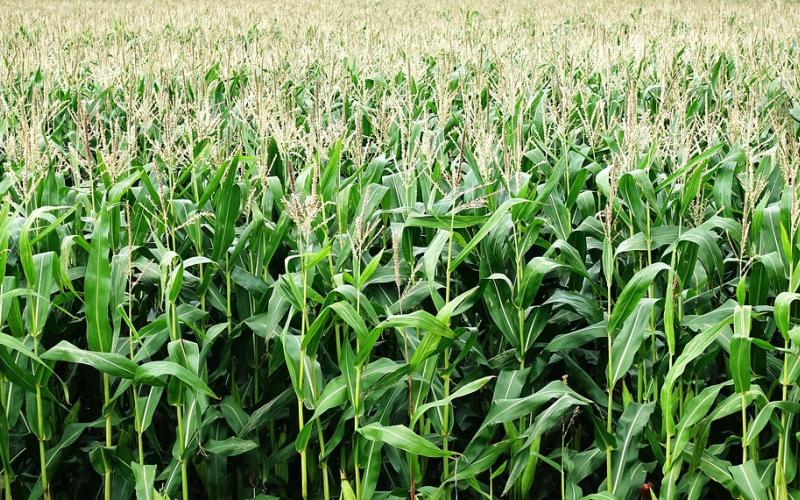
Corn Production Costs in the Northern Great Plains
Supply and demand regulates U.S. agricultural and non-agricultural markets all the time. Prices increase when scarcity of a certain item is anticipated. Similarly, prices drop if the market is saturated because of oversupply or there is a reduced demand for the product.

Bookwork, The Missing Management Component: Consistency of Financial Records
Consistent record keeping will allow for accurate ratios and trend analysis. While operations will change, grow, or contract, having a standard operating procedure will allow for analysis and decision-making.
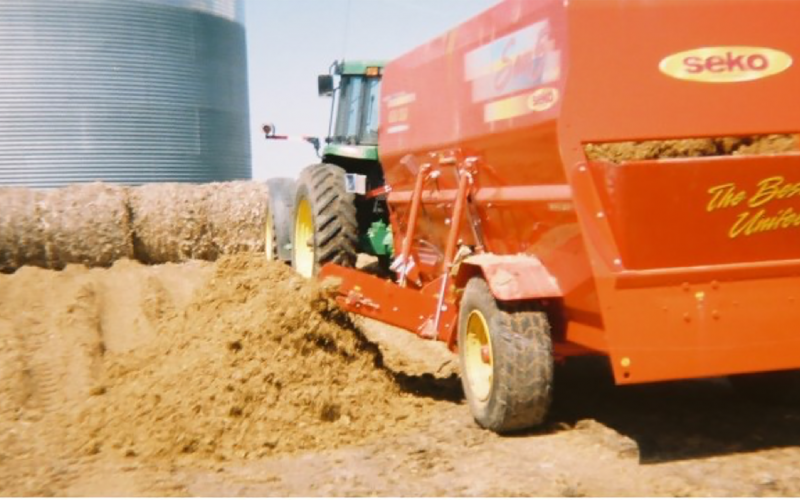
Storing Wet and Modified Distillers Grains
One of the primary challenges for livestock producers in the coming months could very well be feedstuff cost and availability due to the fact that the corn planted acreage and crop progress are both well behind normal benchmarks. One opportunity that might help cattle feeders proactively secure feed supplies would be storing wet or modified distiller’s grains now to be fed at a later date.
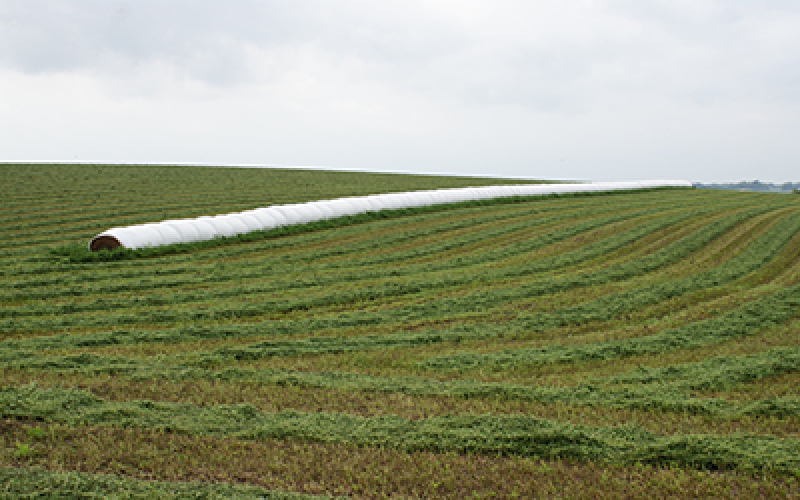
Determining Hay Prices
Before pricing forages, producers will want to have a good understanding about the cost of growing a ton of hay, alfalfa or straw.
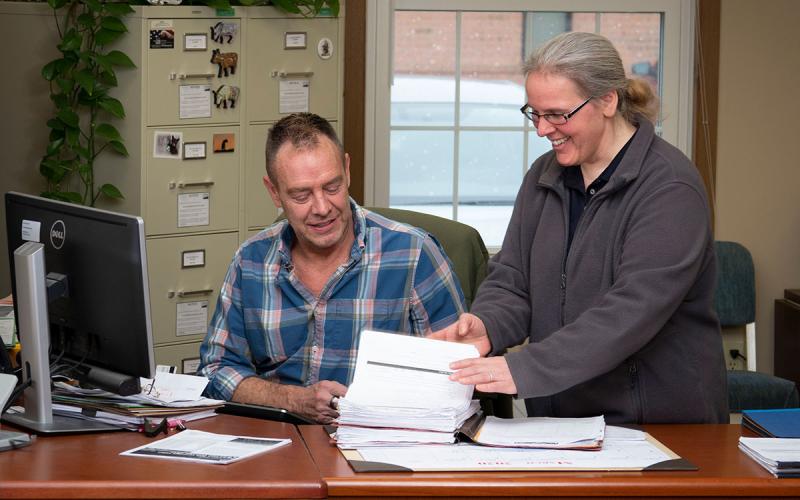
Ag Business
Modern agriculture requires savvy financial planning and strategy.
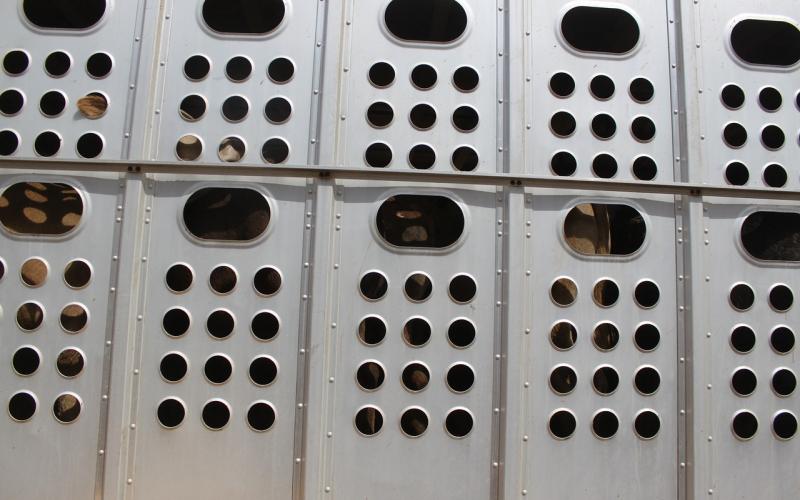
Livestock Emergency Response Planning (LERP)
The scene of an accident is not the place to build your team!