Search
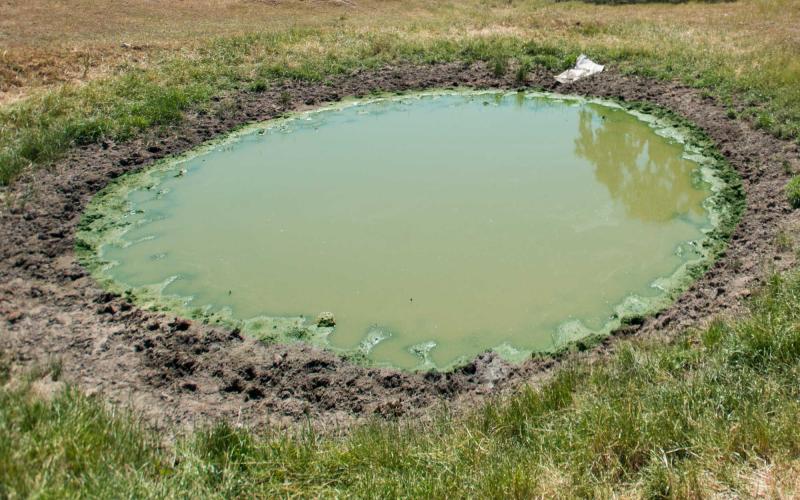
Blue-Green Algae and Livestock
With warmer temperatures, the conditions are right for blue-green algae blooms. Different species of blue-green algae contain various toxins, which can poison livestock, resulting in rapid death.
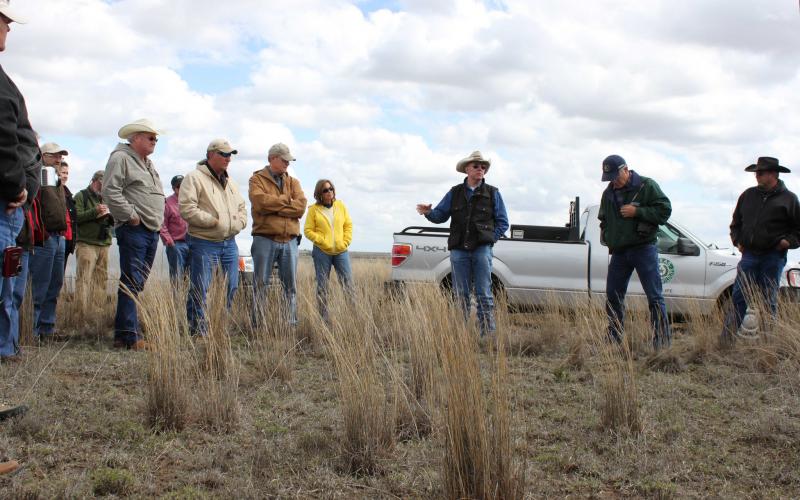
Advocacy in the Beef Industry
Two speakers at the Range Beef Cow Symposium addressed today’s issue of disconnect between consumers and producers. With the majority of the population being at least three generations removed from the family farm, it is important for farmers and ranchers to tell their story and help the consumer understand how their food is produced.
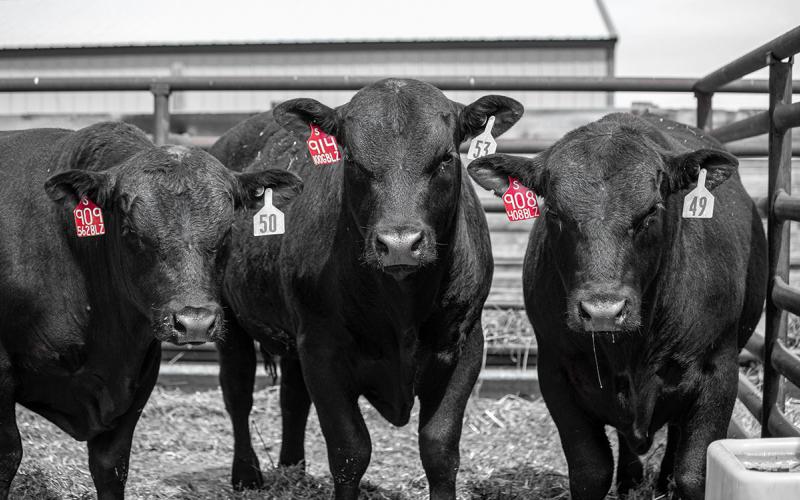
Buying Bulls With a Plan
Selecting new herd sires is an annual process for beef producers. Learn tips for selecting the correct herd sire for your operation that will progress your operation and improve your cattle.
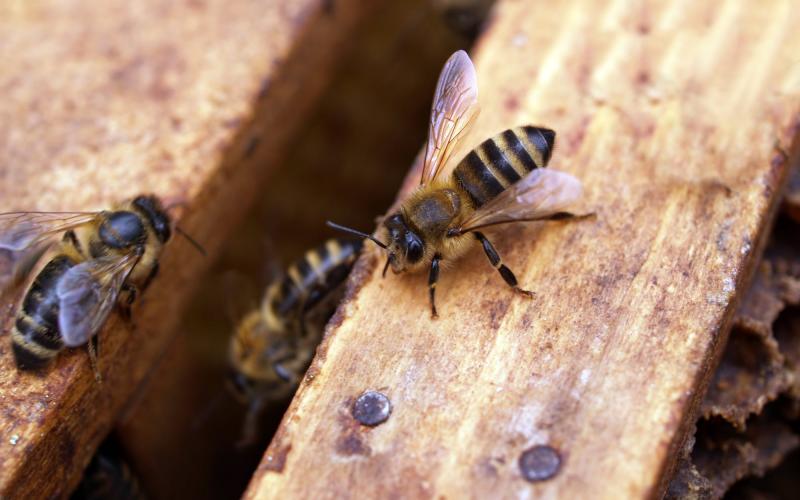
Backyard Biodiversity: Nest boxes for native bees
Many of our native bee species are solitary. In order to ensure that these kinds of bees spend more time in our yards and gardens, it is important to make sure we include places for them to nest.
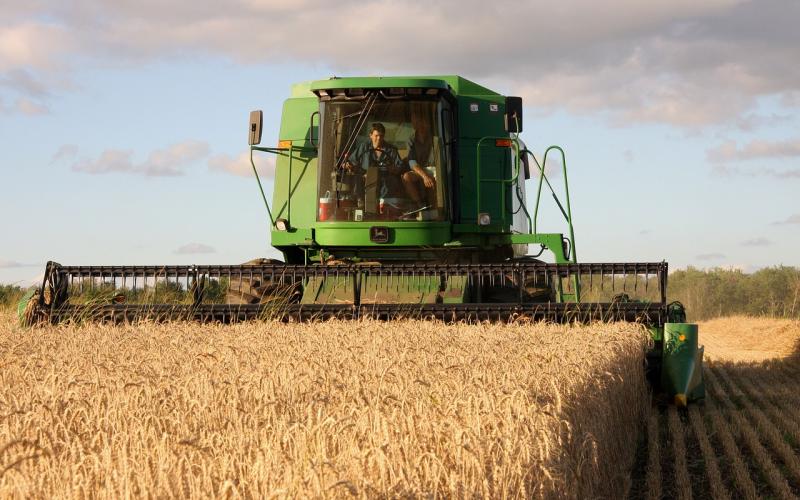
Factors Affecting Wheat Production Decisions: Producer survey findings
Recent USDA data shows that during the past 3 years acres devoted to wheat production continue declining in both South Dakota and North Dakota (USDA, 2018). South Dakota wheat acres experienced a remarkable decrease of 31.5% during the past 3 years, compared with a relatively mild drop of 16.4% by North Dakota.
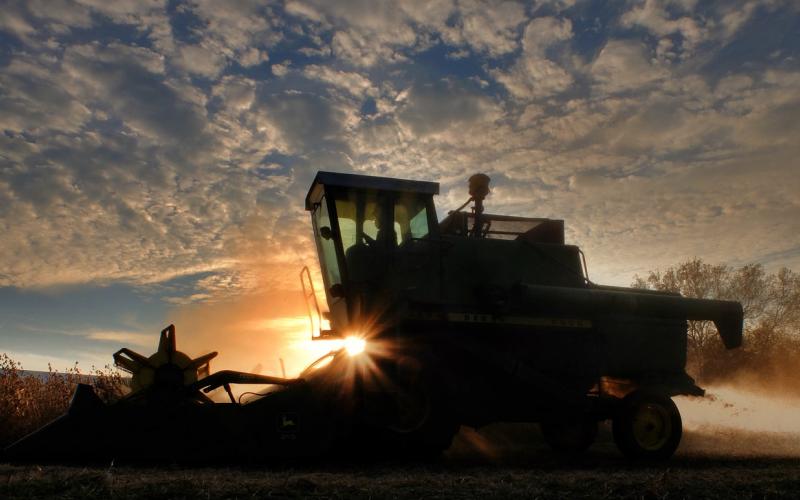
Trade Impacts on Soybeans
Agricultural trade agreements were first established in the General Agreement on Tariffs and Trade (GATT), legal treaty signed initially by 23 nations in 1947. The purpose was to promote international trade by reducing barriers such as tariffs.
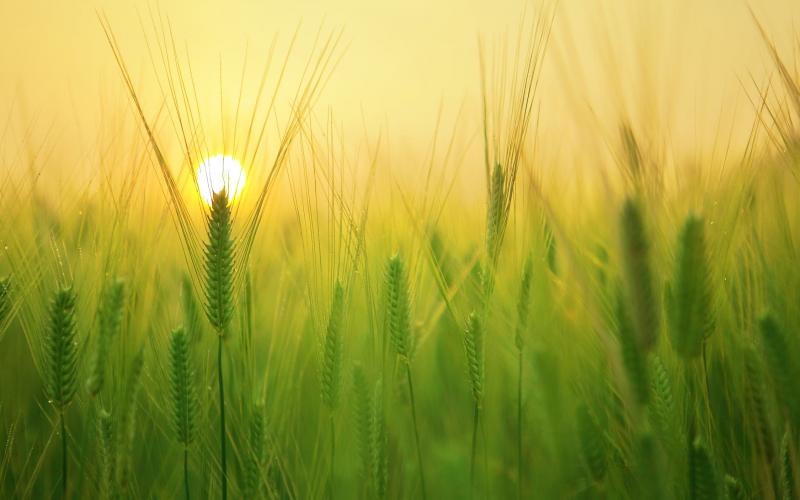
Water Use by Plant Stage
Over the growing season, solar radiation, air temperature and plant size are the dominant factors in determining evaporative demand and the rate of water use by wheat. Water use can vary dramatically on a day-to day basis, depending on climate and wheat health.
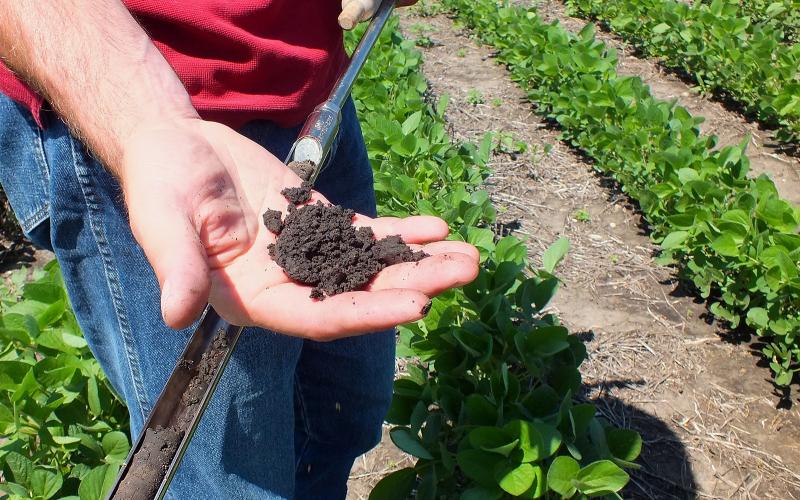
Soil Testing Labs
This page contains a list of nearby state or private laboratories that can be used for crop production fields, gardens and lawns.
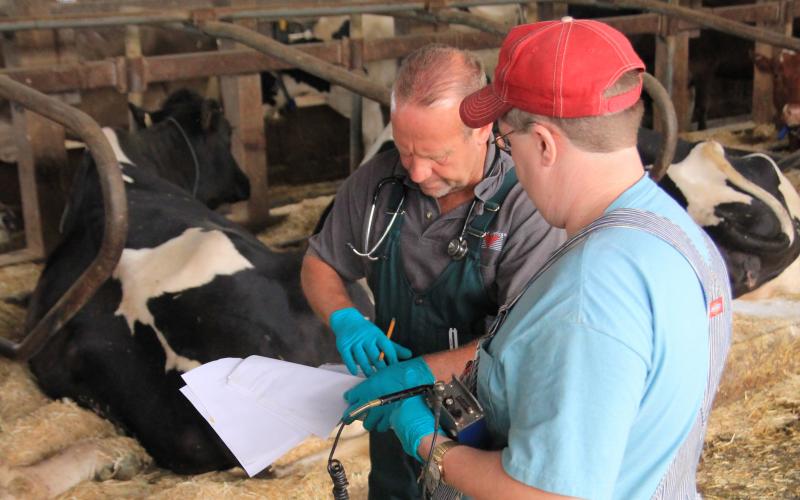
Coaching for Performance
One of the most difficult things for farm managers/owners to master is coaching employees for optimal performance.
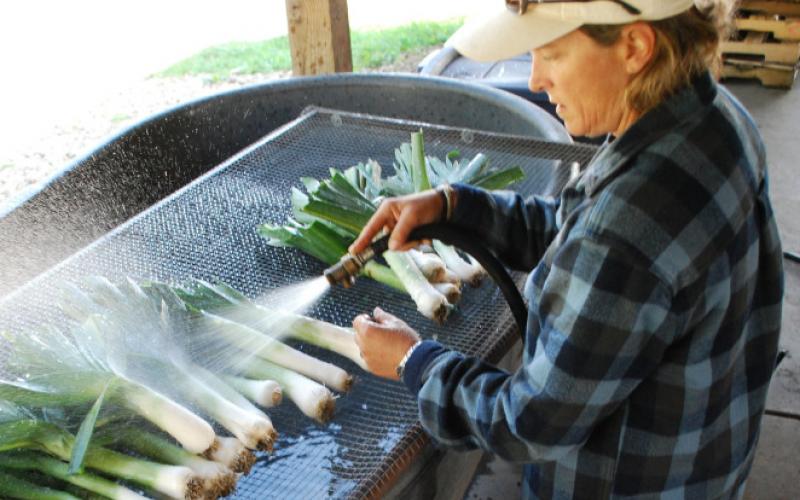
Food Safety Rules for Fruit & Vegetable Growers: FAQ
It seems rules and guidelines for growing fresh produce safely are constantly changing, as new laws and regulations are implemented each year.