Search
![A herd of cattle gather around a stock pond on a vast, lush grassland. Courtesy: USDA [CC BY 2.0]](/sites/default/files/styles/teaser_800x500/public/2019-05/W-00231-00-cattle-grazing-grassland-pasture-range.jpg?h=8f818b46&itok=6GS1_Ww0)
Range Improvements, Grazing Systems and Net Present Value, What is the Right Balance?
As farms and ranches across South Dakota continue to endure increasing costs of production while receiving less cash for grain and livestock marketed; ranch managers must be extra diligent when implementing new range improvements and grazing systems on their ranches.
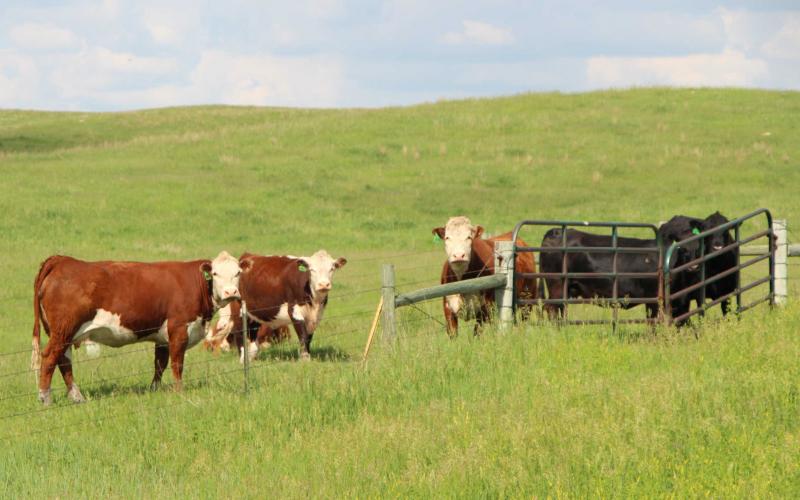
Cow Herd Options
April 2018 and 2019 blizzards caused stress to the region’s cowherds, and for some herds changed the calving distribution. 2020 brings a chance to re-establish a preferred calving distribution.
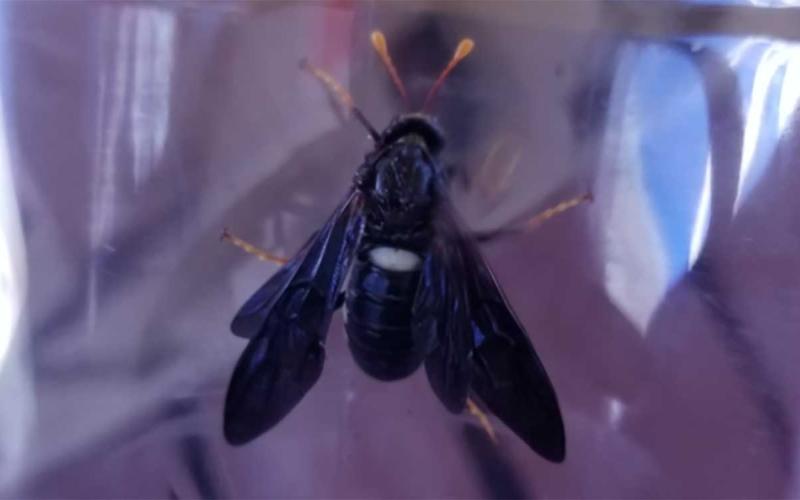
A fly? A hornet? Nope, it’s a sawfly!
This spring, there have been multiple reports of people seeing large fly-like insects in their yards. These insects are sawflies, and all reports thus far have been the elm sawfly (Cimbex americana).
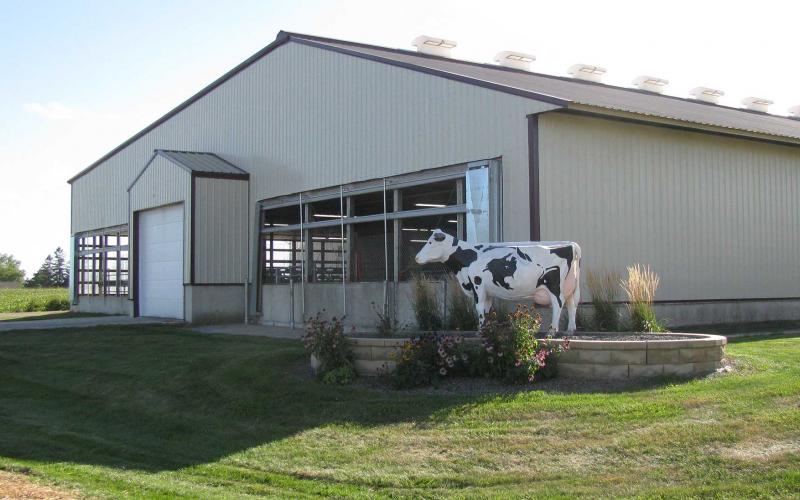
Being Vigilant of Livestock Property Security and Surveillance
Livestock producers have many daily responsibilities when it comes to caring for and protecting their animals. One responsibility is to remain vigilant regarding individuals that oppose the use of animals for food or other purposes.
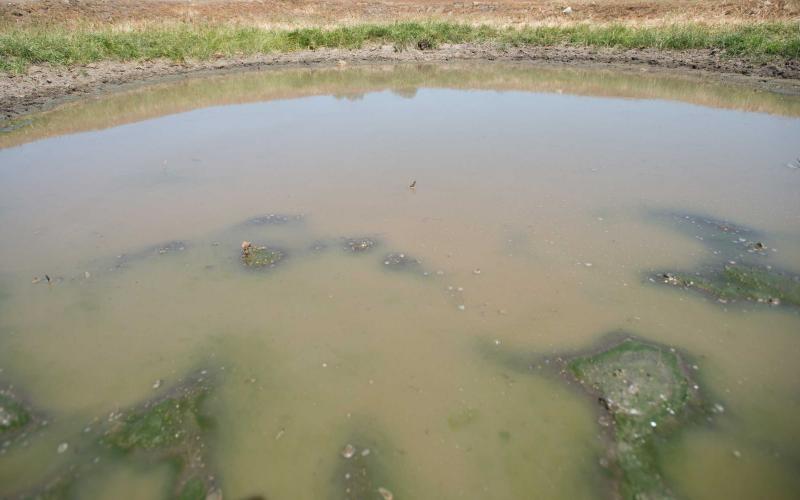
How Important Is Water Quality to Livestock?
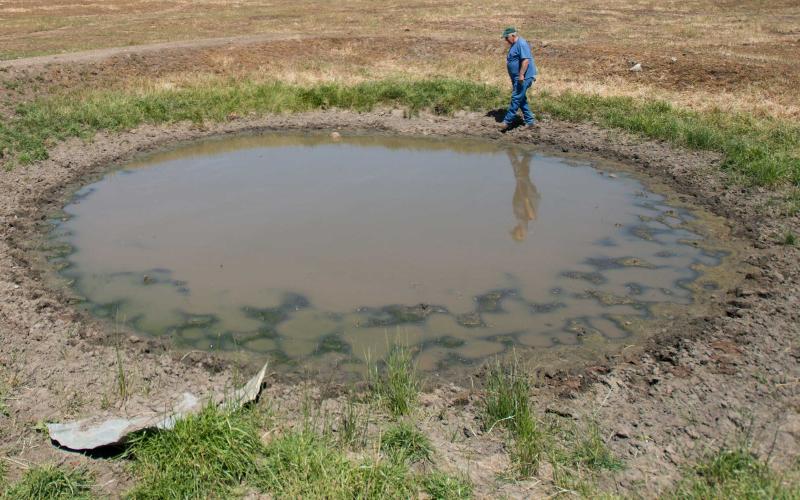
Water is the most important nutrient to all livestock animals and is sometimes overlooked. Poor quality water can have a negative effect on growth, reproduction, and general productivity of the animal.
How Do Sulfates in Water Affect Livestock Health?
Poor-quality water will cause an animal to drink less. As a result, they also consume less forage and feed, which leads to weight loss, decreased milk production and lower fertility.
You Can’t Manage What You Don’t Measure: Range Record Keeping
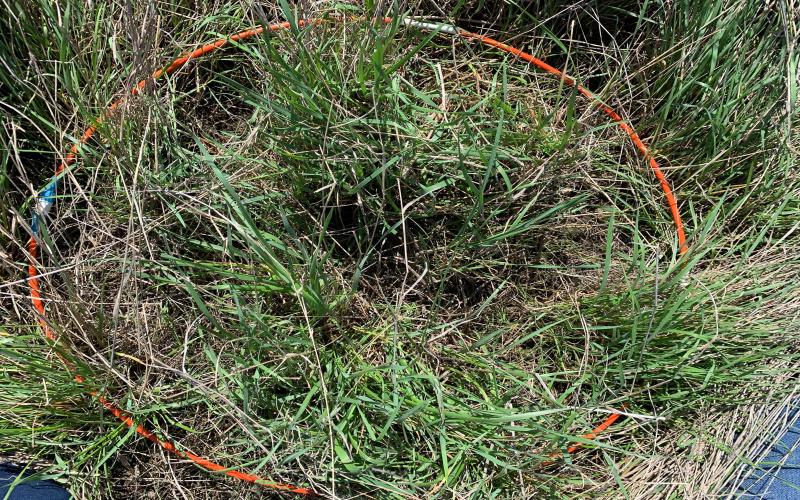
Range record keeping helps detect and demonstrate landscape changes that have a direct impact on your ability to maintain or grow your herd.
South Dakota Ag Land Soil Tables Tool
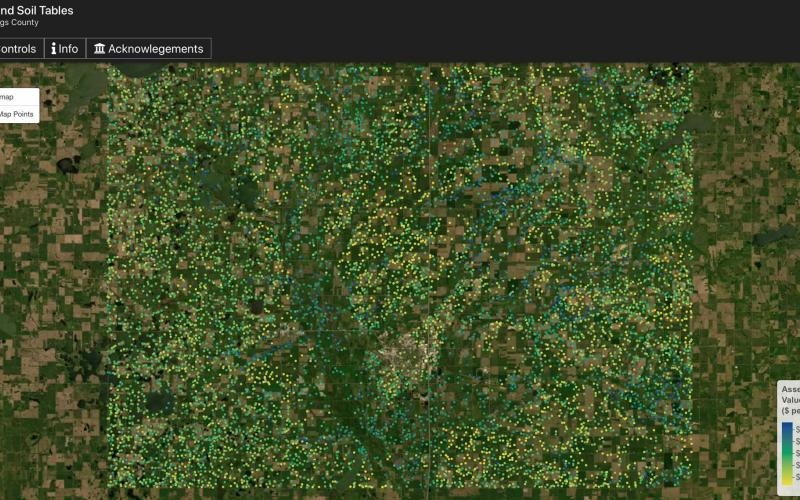
The Ag Land Soil Tables Tool allows users to view soil data and download data by county to further understand the soil rating system. It can help appraisers make baseline agricultural land assessments and determine if adjustments from baseline are needed.
SDSU Extension Provides Drought Management Resources
June 08, 2022
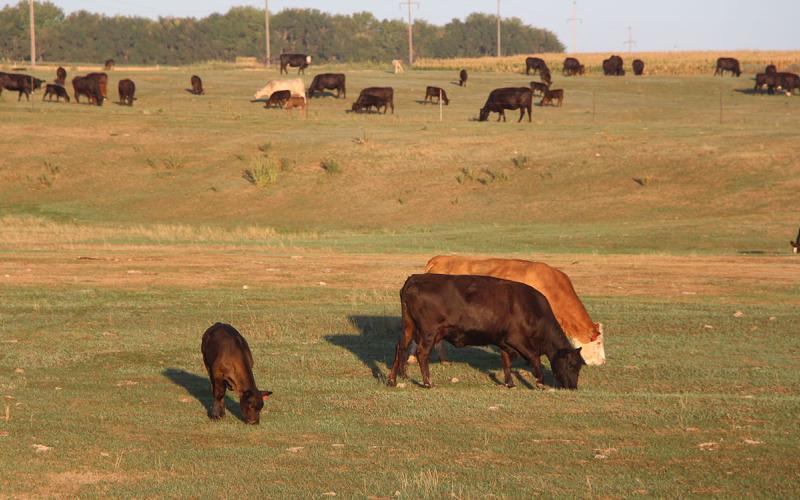
The U.S. Drought Monitor continues to classify parts of South Dakota in some level of drought. SDSU Extension has a variety of tools and resources to assist producers with drought decision making.
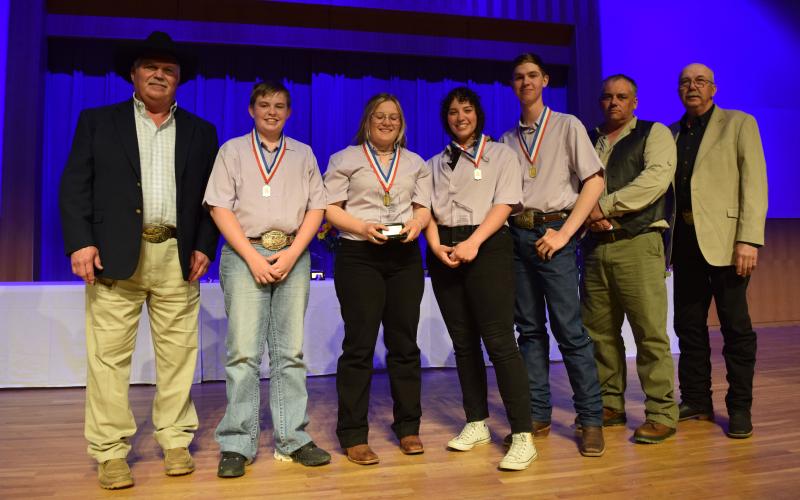
South Dakota Teams Perform Well at National Land, Range & Homesite Judging Contest
June 08, 2022
After two years of cancellations, a record attendance of more than 1,000 FFA and 4-H members competed in the National Land, Range, and Homesite Judging contest according to the Oklahoma Association of Conservation Districts, the contest’s main sponsor.