Search
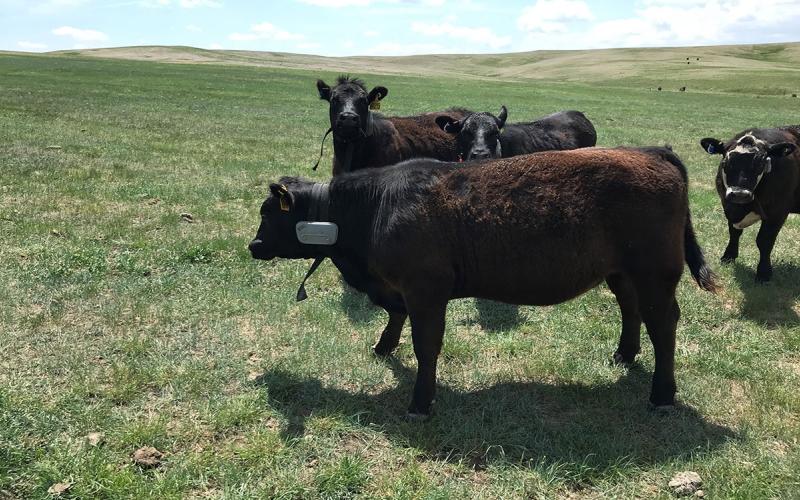
Range Roundup: Virtual Fencing Project Takes Place at the Cottonwood Field Station
Virtual fencing (borders without physical barriers) has started making waves in the cattle industry, and it can be used to implement precision grazing management. Our team is researching its use and utility at the SDSU Cottonwood Field Station starting this summer.
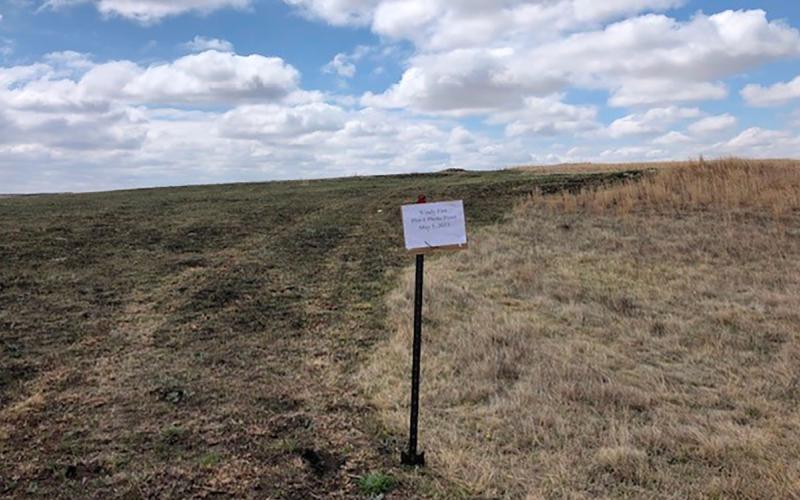
Range Roundup: Dormant Season Wildfire Project in Northwestern South Dakota
Two of the main environmental conditions that drive post-wildfire rangeland recovery include health of the rangeland ecosystem prior to the wildfire and climatic variables, such as precipitation or drought after the fire event.
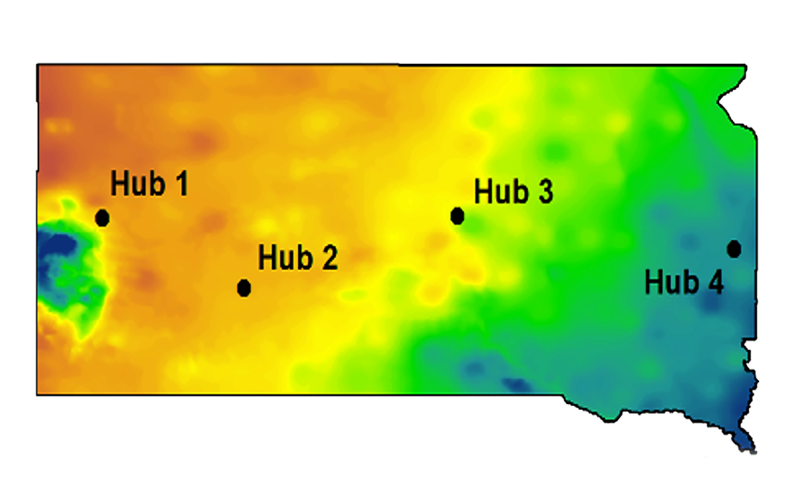
Range Roundup: Precision Agriculture Range Project With Producer Participation
SDSU Extension researchers started a new precision agriculture range project using remote sensing, machine learning, and ground-collected vegetation samples to develop an application to measure forage quality and quantity throughout the state in near real-time.
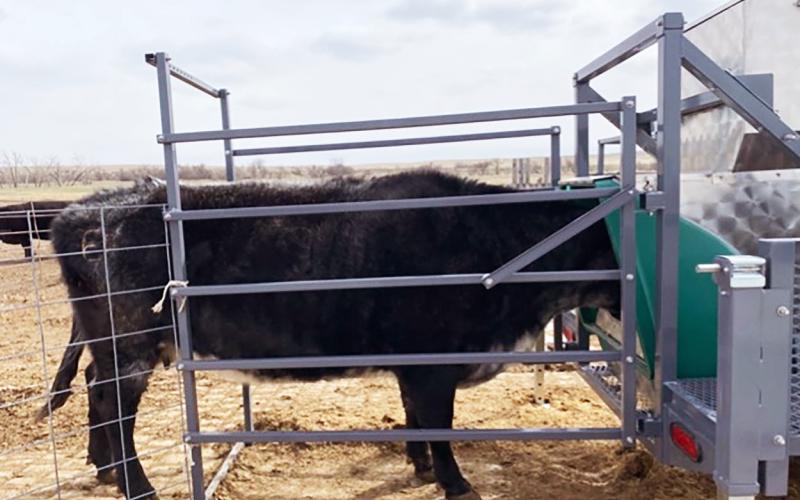
Range Roundup: Precision Technology to Measure Cattle Methane Emissions and Intake on Western S.D. Rangelands
In a recent research project, our precision livestock team deployed technology to measure individual cattle methane emissions and feed intake by disappearance. Learn how this data can be used to help improve day-to-day management decisions on the ranch.
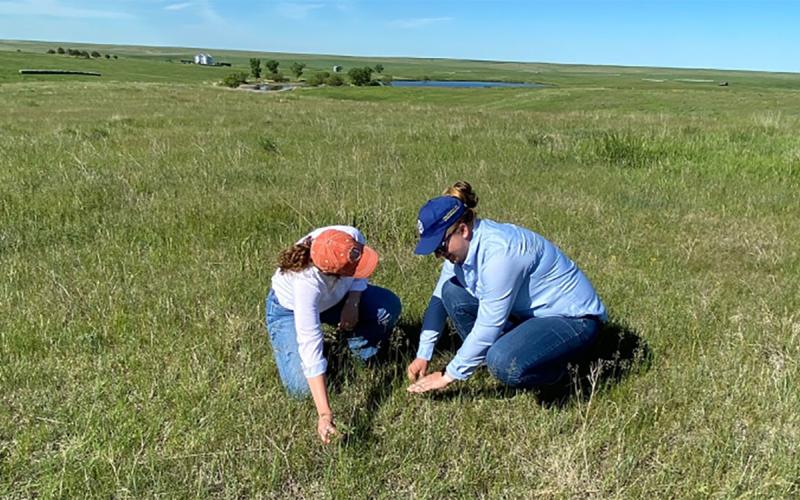
Range Roundup: South Dakota Women on the Range
With the percentage of women in agriculture expected to grow over the next few years, SDSU Extension will be launching a new program called South Dakota Women on the Range. The program will educate women about the importance of range management, while also empowering them to become leaders in the agriculture industry.

Registration open for 2026-2027 SowBridge educational webinars
January 27, 2026
Registration is open for the 2026-2027 educational SowBridge webinar series, which starts on Feb. 4, 2026.

Adulting: Free Trial
Adulting: Free Trial is a one-day event for high school students- ideally, sophomore, juniors or seniors.
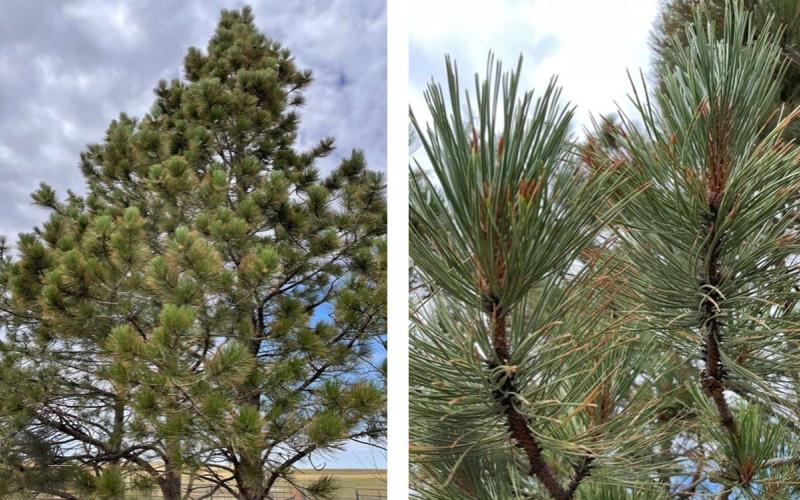
Pine Needles: Another Possible Threat to Beef Cow Pregnancies
For at least the past 50 years, consumption of Ponderosa Pine tree needles (and those from a few other pine tree species) by pregnant cattle has been recognized as a cause of abortions during the last trimester (three months) of gestation.

Range Roundup: Long-Term Grazing Records Can Guide Future Management
For nearly 80 years, researchers at the Cottonwood Field Station have monitored how different stocking rates have shaped plant communities. Today, these records are being compared with modern data to help us better understand how rangelands respond to long-term grazing management.
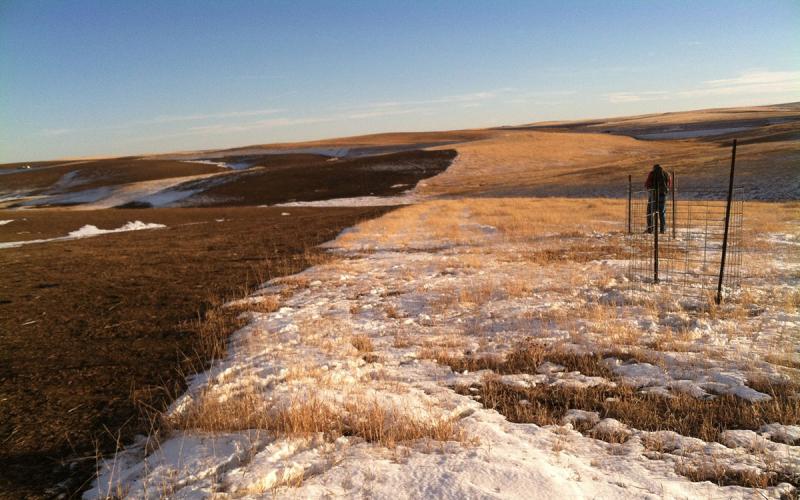
Reading the Range in Winter: What Dormant Season Clues Reveal About Spring
For range and grazing management, winter is one of the most revealing times of the year. With a few hours in each pasture, managers can gather a season’s worth of insight and set themselves up for a more-resilient grazing year.