Search
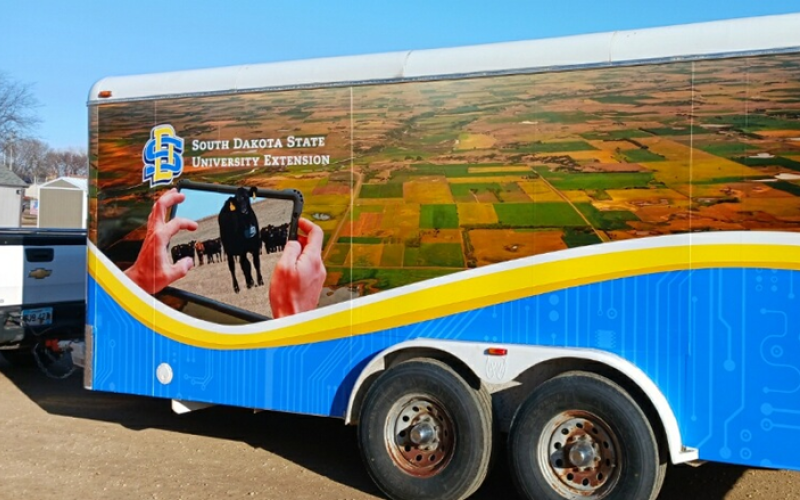
SDSU Extension helps producers navigate precision ag
May 28, 2025
Precision agriculture practices are growing as technology continues to evolve, and SDSU Extension is leading the state’s efforts to monitor and understand the role it plays.
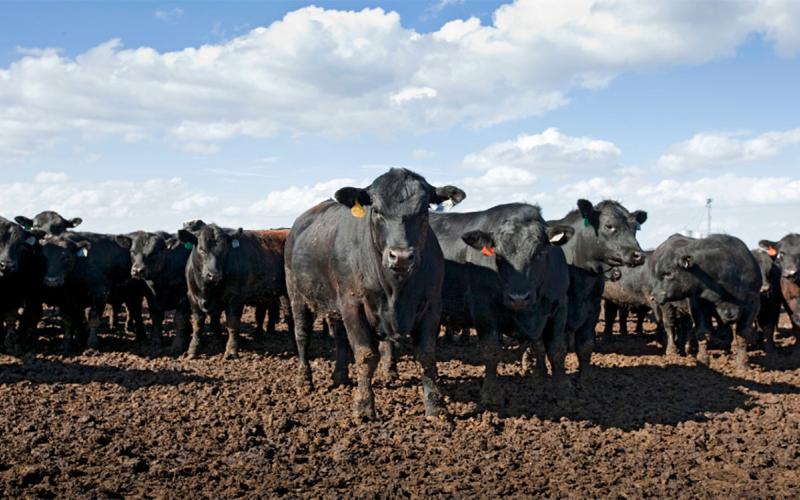
SDSU Extension accepting applications for Class 7 of beefSD Program
July 08, 2024
Participation in the beefSD program is an opportunity for producers to learn about all aspects of the beef industry and develop skills needed to be successful beef business managers.
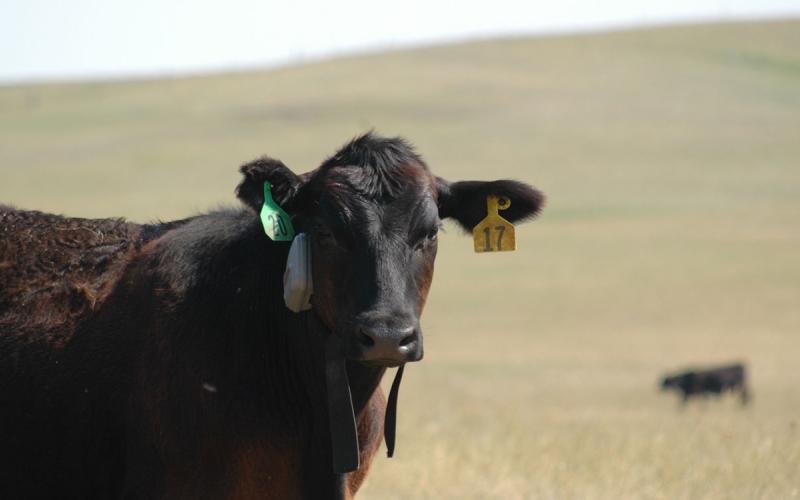
SDSU Extension offering workshop on virtual fencing
December 20, 2023
“Virtual Fencing 101: Expectations and Considerations” is from 9 a.m. to 5 p.m. MT, on Jan. 11, 2024, at the Box Elder Events Center. It is free to attend.
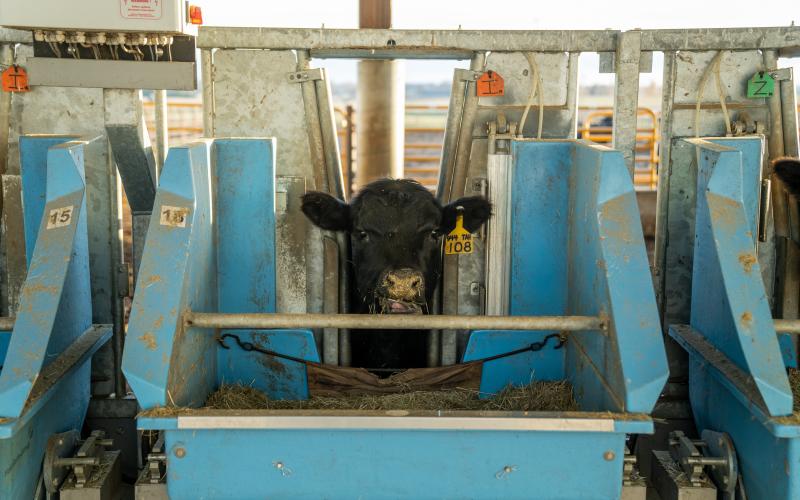
SDSU Extension precision livestock field day canceled
December 04, 2023
The Precision Livestock Management Field Day in Brookings has been canceled.
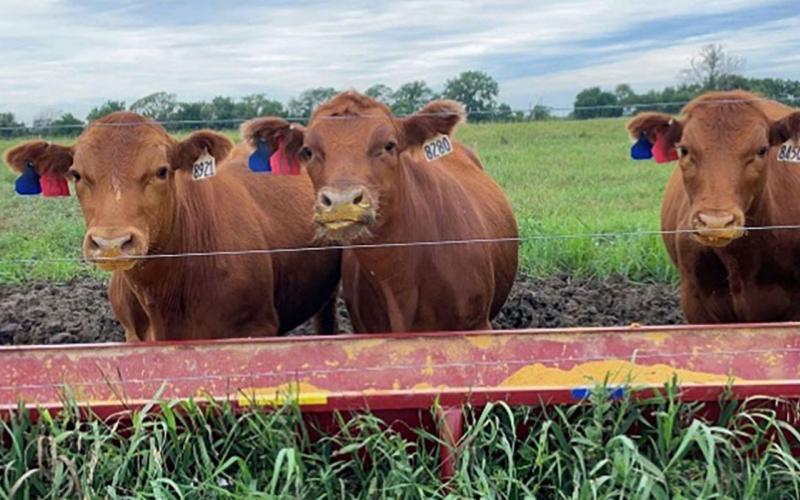
Animal Science Research and Extension Report
Research report from Animal Science Department covering a variety of areas in livestock production.

Cyber Insurance for Agriculture
Fact sheet about cyber insurance for agriculture
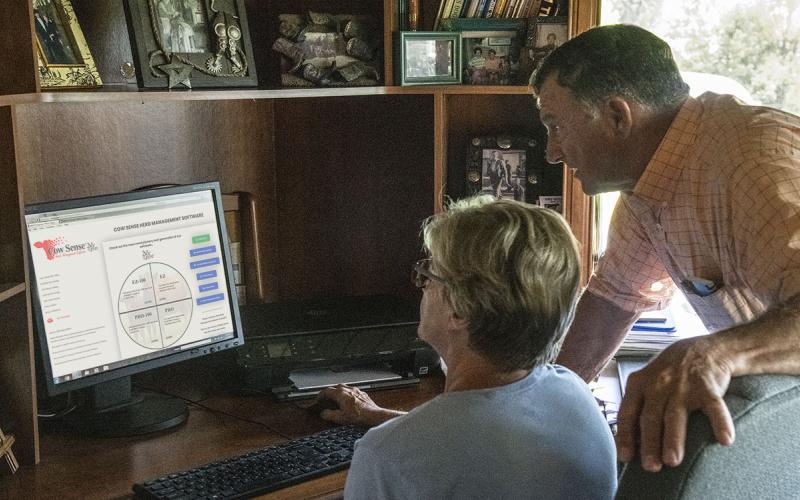
Calving Software: A Modern Consideration
Calving software offers many benefits, including the ability to keep track of records year-over-year and identify if management actions are aligning with calving season.
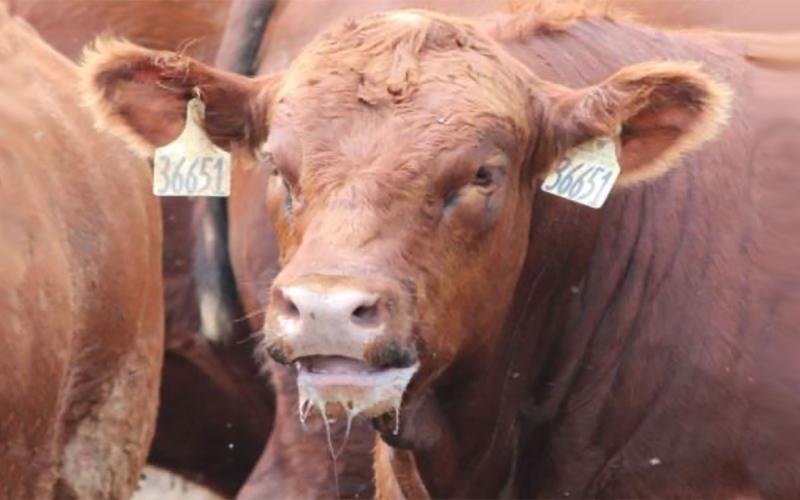
Heat Stress Forecasting Apps Available
Early summer heat stress in feedlot cattle is often triggered by rapid changes in temperature and humidity before cattle become acclimated to warmer conditions. Learn about some management tools that you can use to protect your herd.
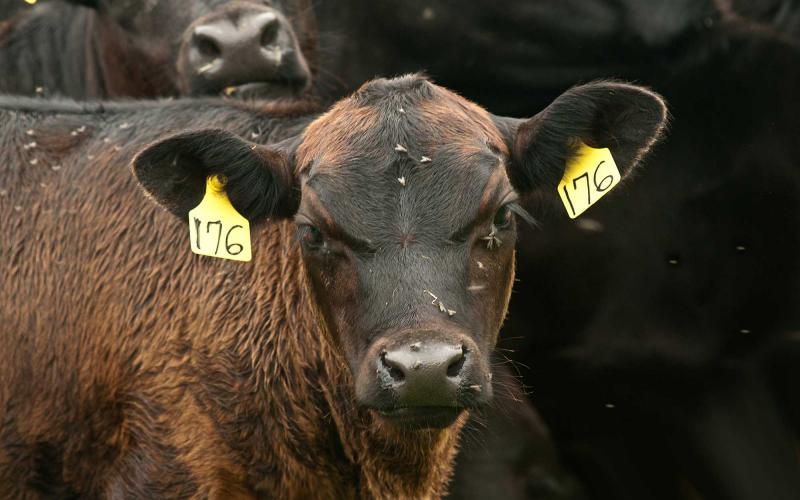
Summer Fly Control in Feedlots
Just as longer days mark the beginning of summer, so does the arrival of increased number of flies in feedlots. Flies are not only are an annoyance, they can reduce performance and worsen heat stress. Successful control strategies start with sanitation.
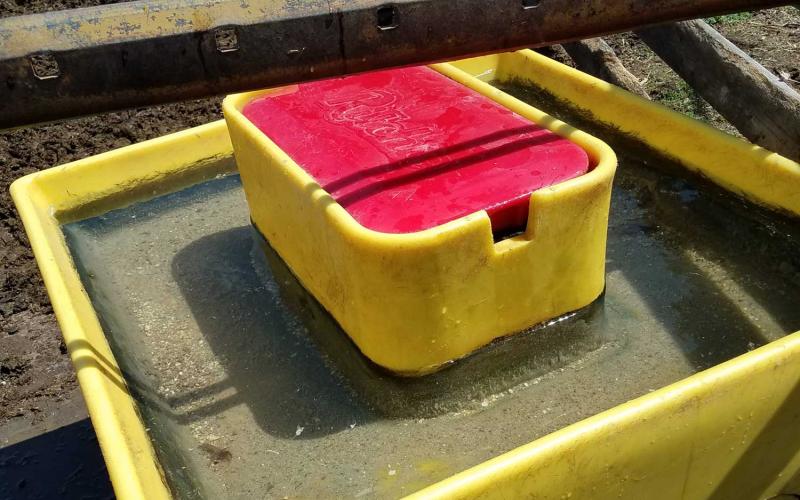
Water: The Unappreciated Nutrient
Water intake is strongly linked to feed intake, so any factors that cause cattle to drink less will lead to reduced feed intake and consequently reduced performance.