Search
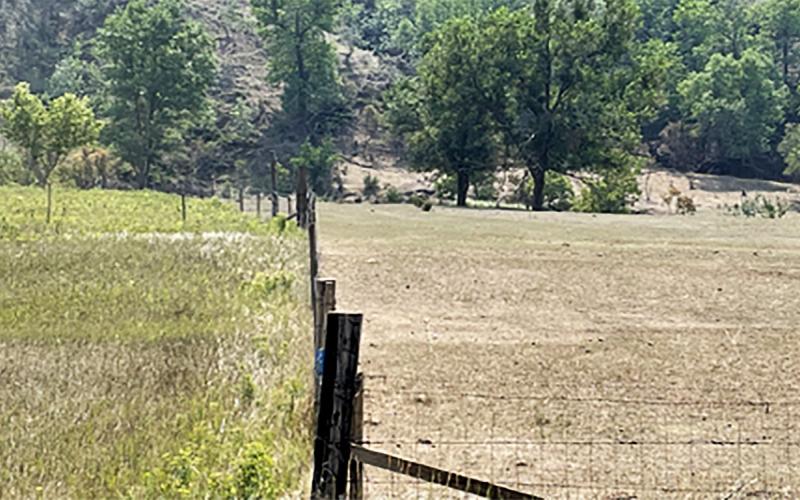
The Lasting Effects of Overgrazing on Rangeland Ecosystems
Overgrazing can cause various detrimental effects on rangeland ecosystems. Most of the effects are seen in the short term, but some are unseen and can be lasting.

Latest Recommended Planting Dates for Spring Wheat in South Dakota
A major question that producers have been asking is, “How late can wheat be planted in South Dakota without a significant reduction in yield potential?” See our latest recommendations for those considering late planting this May.
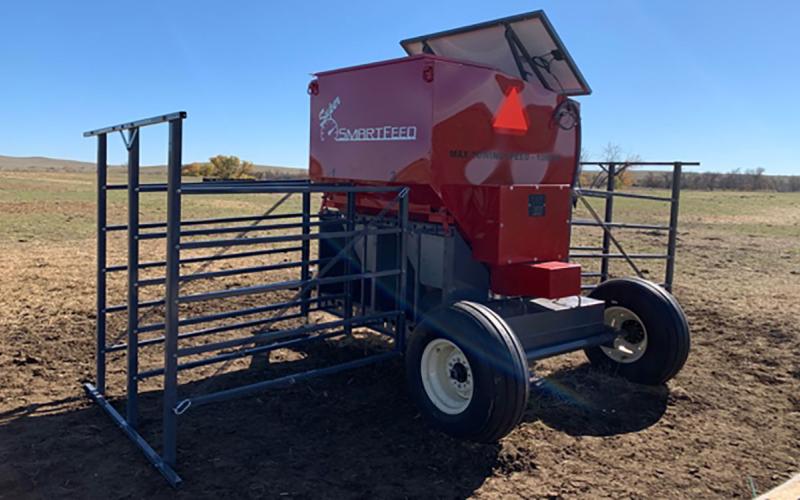
Range Roundup: Heifer Development With Precision Supplementation
In a recent research project, a Super SmartFeed Producer was used in conjunction with two SmartScales for precision heifer supplementation and development. Learn what this technology has to offer for ranching operations.
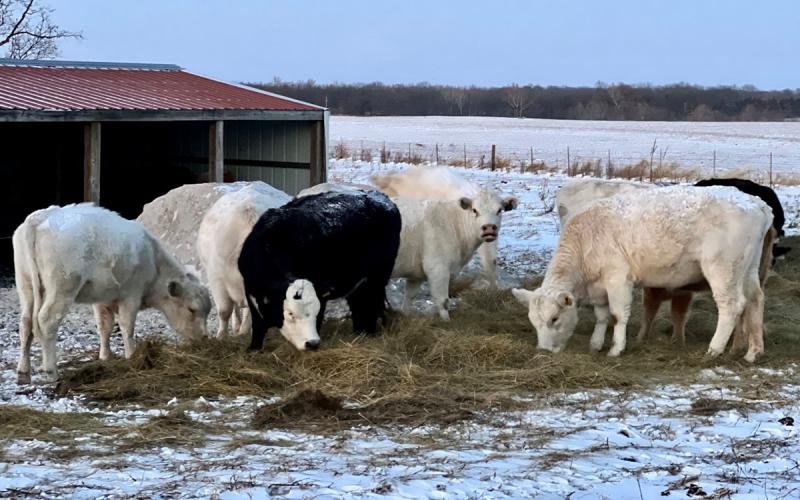
How to Interpret Forage Test Results
Forage testing is a management tool that both forage and livestock producers should incorporate into their operations. Knowing the quality of the feed being provided allows producers to meet livestock nutritional needs more accurately and cost-effectively.
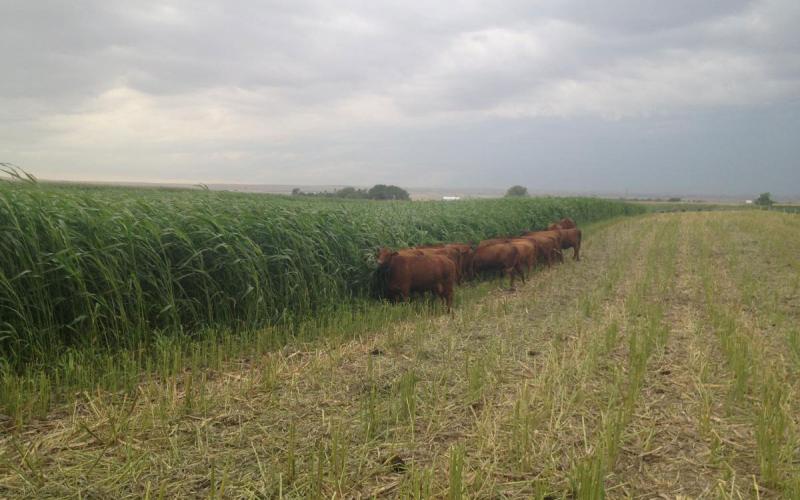
Prussic Acid Poisoning
As the first frost date approaches, producers often have concerns about the risk of prussic acid poisoning in livestock. Certain forage plants, especially sorghums and related species are associated with an increased risk of death loss because of prussic acid poisoning.
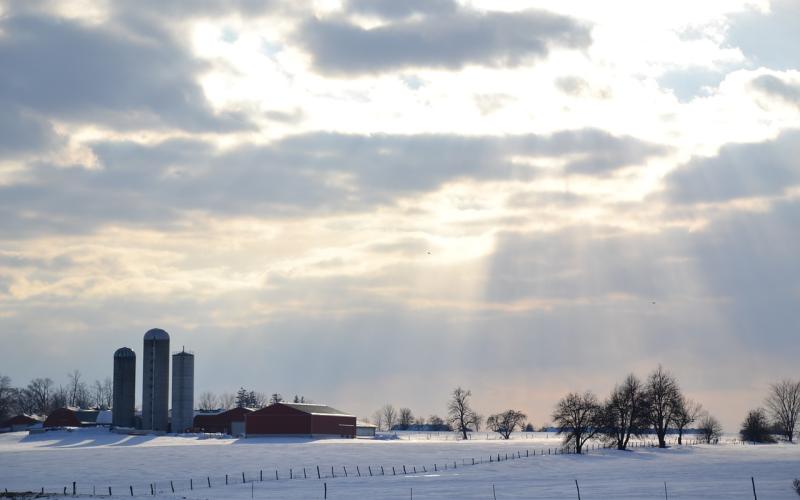
Preparing for Calving Season
Whether the calving season will start soon or is a few months away, it’s never a bad time to start preparing for the arrival of fresh calves on the ground. Here are some things to consider prior to the beginning of calving.
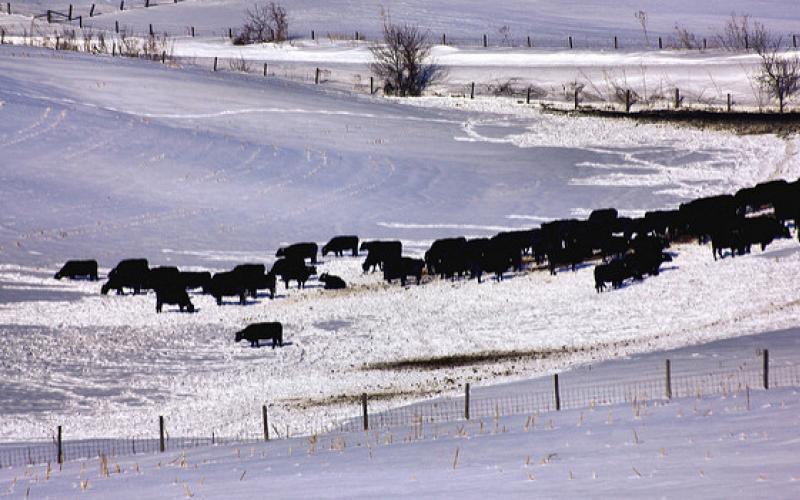
Nutritional Needs Prior to Calving
Nutrition during late gestation plays a large role on the future calf as well as the dam. It is during the last 60-90 days of gestation, or the pre-calving period, that impacts the calf’s survivability, long-term health and overall production.
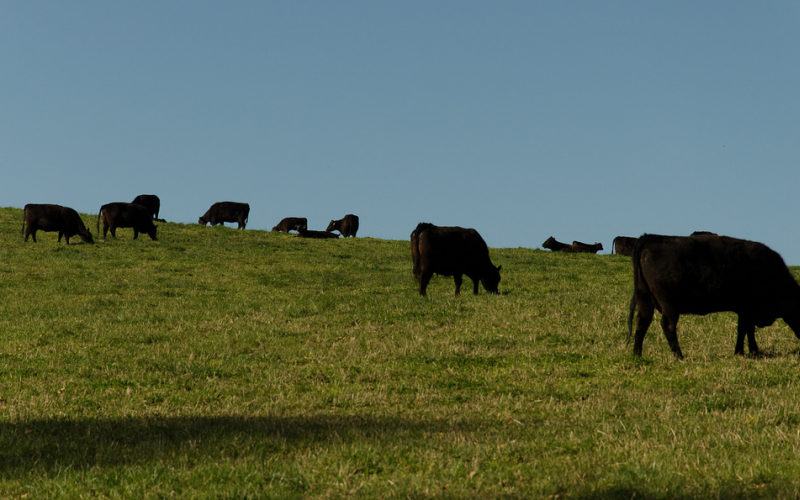
Protein Supplementation Options With Grazing Cattle
COVID-19 and the energy economy has had a dramatic negative impact on the ethanol industry, resulting in limited availability of corn distiller’s grains. This has changed availability and pricing of protein feeds.
SDSU Basis Report: Monitoring Agricultural Market Dynamics
The SDSU Basis Report application provides an interactive platform for monitoring basis values, representing the difference between the cash price paid for grain locally and the nearby futures price.

Cost-effective and Balanced Cow Rations
Before buying "cheap" feed, it is important to ensure that it will be cost-effective when creating balanced rations for the winter. Learn some things to consider before purchasing.