Search

America Saves Week 2026
America Saves Week (April 6-10, 2026) is an annual opportunity for individuals to assess their savings and take financial action. Each day of American Saves Week highlights a theme that offers ideas to increase your savings.
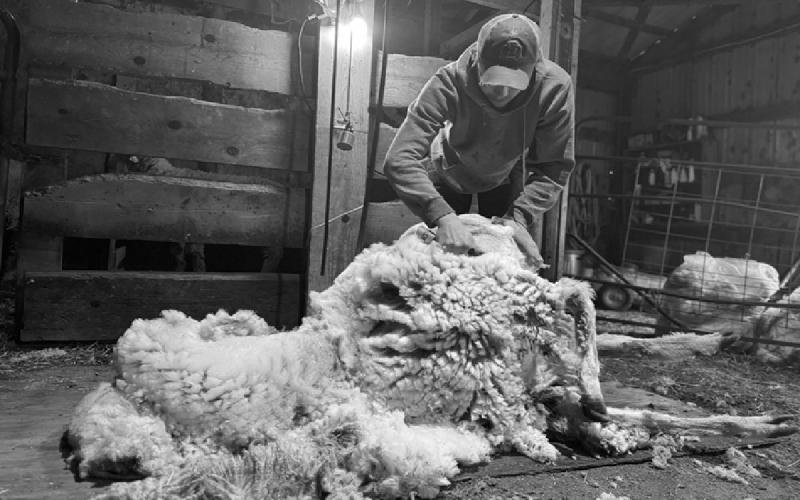
Shearing Before Lambing: A Management Tool for Lamb Growth and Survival
While some producers shear primarily for wool management, recent research has shown that pre-lambing shearing can also influence lamb birth weight, vigor, and early growth.
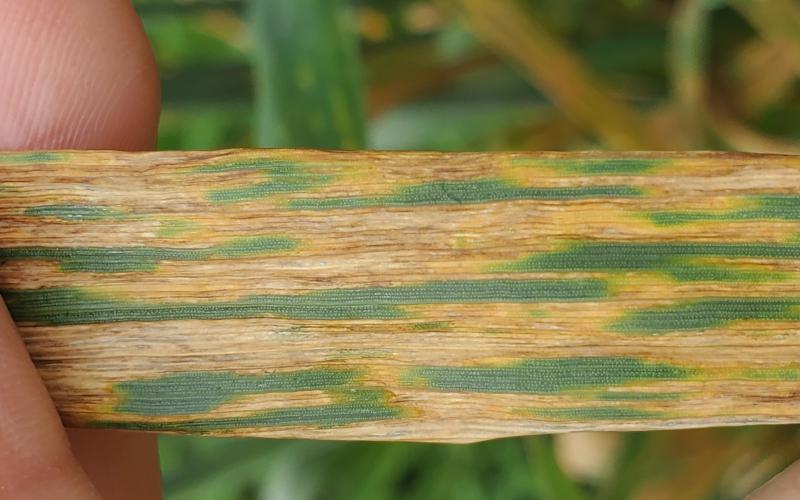
Bacterial Leaf Streak in Wheat Varieties Adapted to South Dakota
Research trial results for Bacterial Leaf Streak tolerance in winter and spring wheat varieties grown in a disease nursery near Volga, South Dakota.
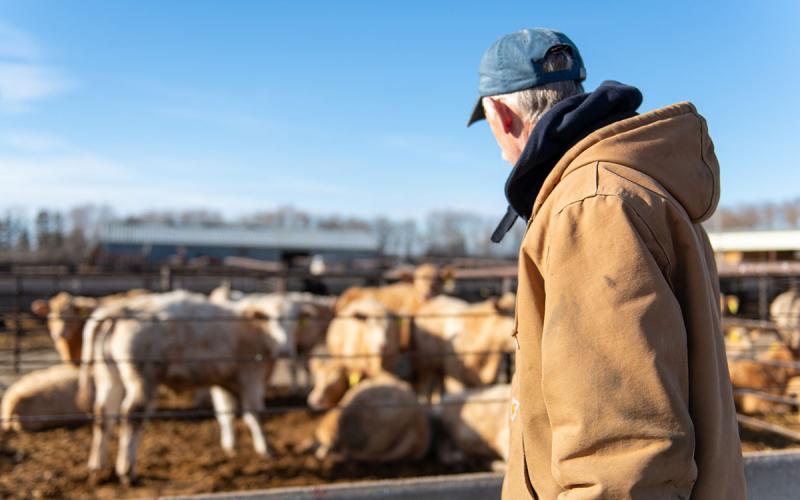
Animal Nutrition Program’s Feed Management Committee: Feed to Gain Calculator - Fat Inclusion
Adding fat to cattle diets is a common strategy to increase dietary energy density. Learn how to make informed feed decisions using a feed-to-gain breakeven calculator developed by the National Animal Nutrition Program Feed Management Committee.
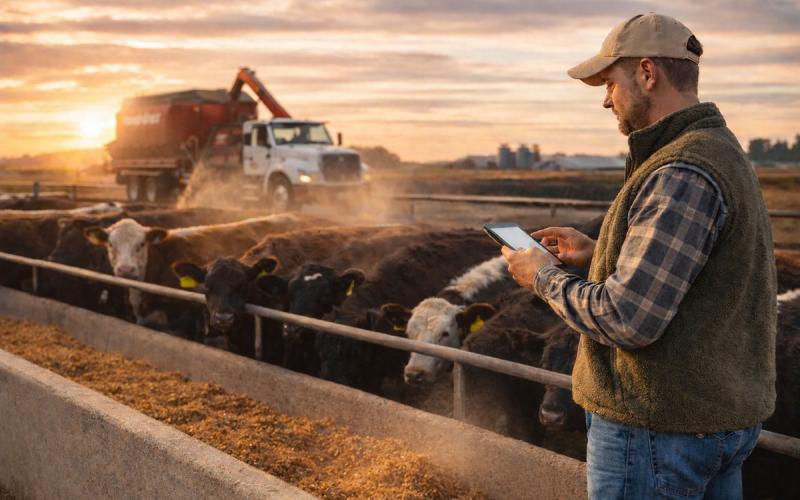
Feed Management in a High-Data Livestock Industry
Livestock feeding systems are generating more data than ever before. In modern feed management, success depends less on how much data is collected and more on how effectively that data is translated into biologically sound decisions.
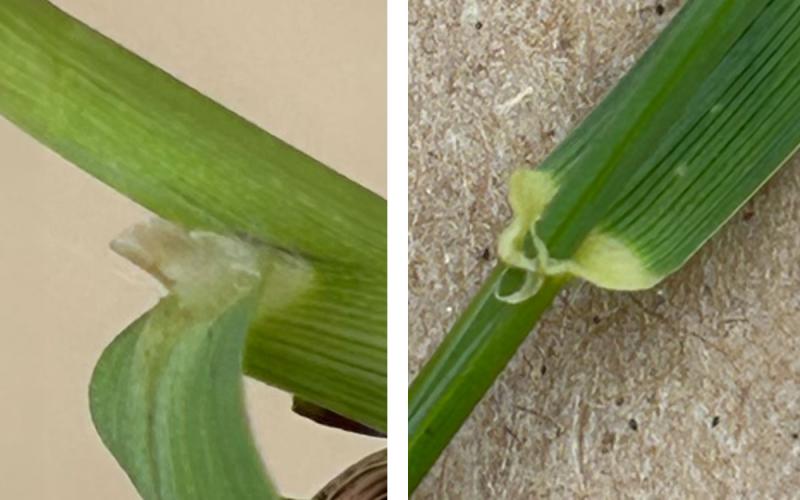
Preemergence Crabgrass Herbicide Decisions
The optimal application window for preemergence herbicides to manage crabgrass in turf is normally during April, and earlier in the month during warmer years.

FY22-FY24 SNAP-Ed Impact Report
SDSU Extension partners with the South Dakota Department of Social Services (DSS) to deliver Supplemental Nutrition Assistance Program Education (SNAP-Ed) to South Dakota’s lower-income households.
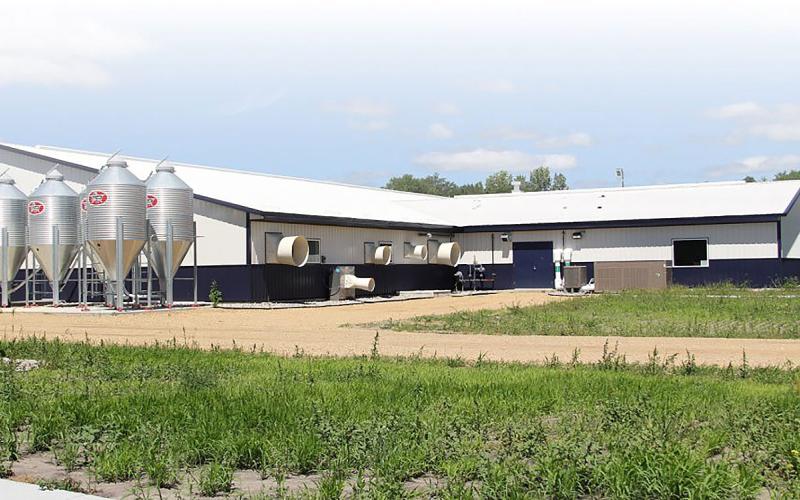
Swine Manure and Nitrate Leaching
This fact sheet explains how nitrate leaching occurs, why swine manure increases risk under certain conditions, and what producers can do to keep nitrogen where crops can use it.

Swine Manure and Soil Health
Swine manure is more than a waste product. When managed correctly, it is a valuable nutrient source that can improve crop yields, build soil health, and reduce fertilizer costs.