Search
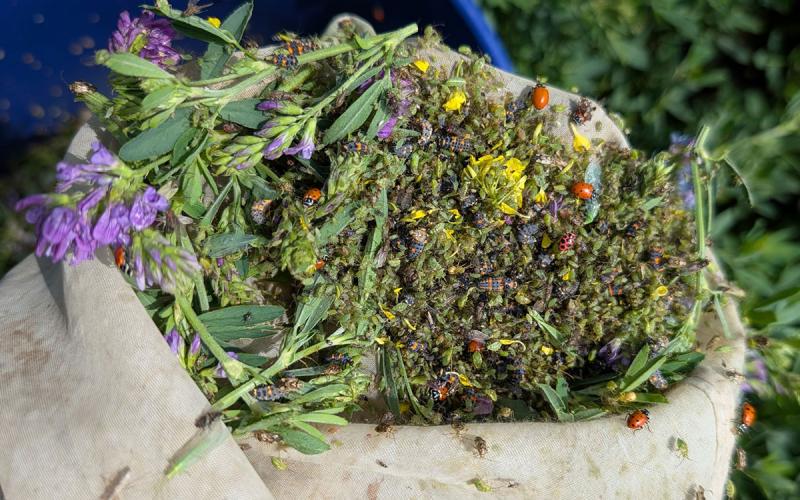
Pea Aphid Alert: Forecasted temperatures could result in rapid population increases
The temperatures during the last week and the forecasted temperatures for next week will potentially encourage rapid pea aphid population growth. Although many fields have been cut recently, pea aphids can still readily recolonize alfalfa.
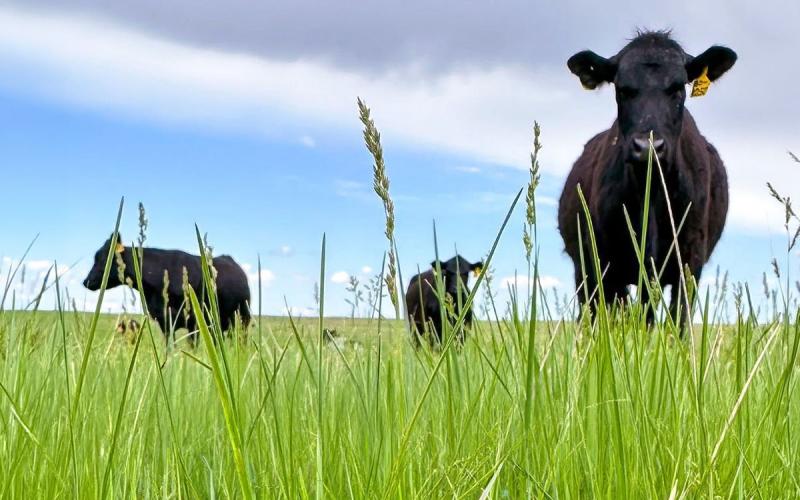
Conservation, Grazing, and Forage Situation
This report summarizes recent trends in the Conservation Reserve Program (CRP), harvested hay acreage, and grazing capacity in the United States and South Dakota. The purpose is to give a current picture of conservation enrollment and forage supply.

Grain Report Mobile App
The Grain Report mobile app delivers comprehensive grain market data and analytics for corn, soybean, and wheat producers, traders, and analysts.

Early Season Soybean Infested by False Chinch Bug
At the end of last week, we received several reports of false chinch bugs attacking seedling to early vegetative stage soybean in South Dakota. In these cases very large populations were present on seedling soybeans as well as the ground around them.
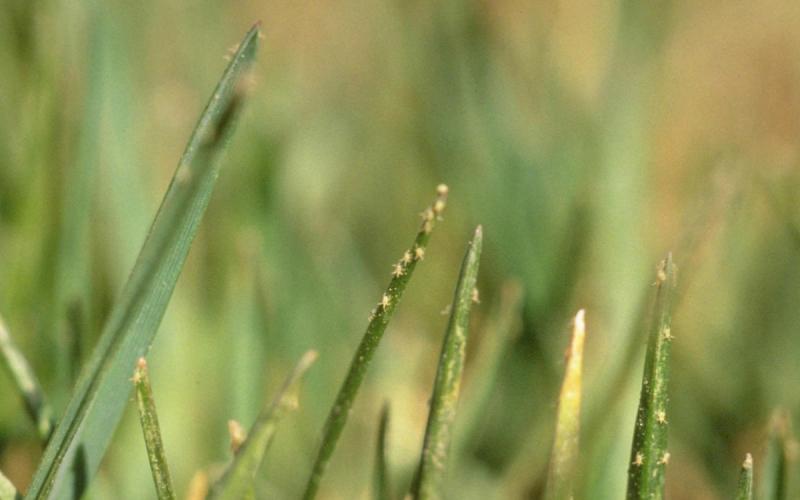
Drought Stress in Wheat Leads to Increased Banks Grass Mite Activity
There have been reports of large populations of Banks grass mites in South Dakota wheat fields. Banks grass mite populations are more successful during hot, dry weather that also increases the susceptibility of wheat due to it being drought stressed.

Keep an Eye Out for Cut Soybean Plants: A Sign of Dingy Cutworm Presence
Dingy cutworms have been observed in South Dakota no-till soybean fields. Their activity will likely continue for at least another couple of weeks.
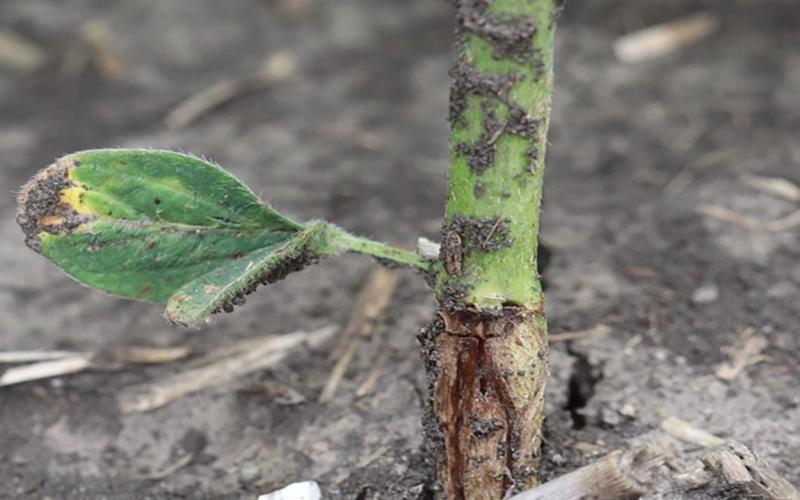
Soybean Gall Midge Larvae Active in South Dakota
Soybean gall midge larvae are active in soybean in southeastern South Dakota. The first symptoms of an infestation during this part of the season vary based on the size of the population within the plant.

2026 Rangeland and Soil Days Contest brings 115 youth to Belle Fourche
June 30, 2026
South Dakota State University Extension is pleased to announce that 115 youth participated in the 42nd annual Rangeland and 21st annual Soil Days contests on June 9-10, 2026, in Belle Fourche.

Fungus Gnats Affecting Soybean Emergence
We have recently received a report of a maggot attacking soybean seedlings. During most years, we would immediately expect this to be a case of seedcorn maggots, but it was fungus gnat larvae.

European Corn Borer Caterpillars Are Active: Scout your conventional corn
European corn borer caterpillars have been observed in conventional corn at several locations. Indicators for presence of are a line of straight holes in the upper leaves that is often referred to as shot-hole injury.