Not every child wants to play soccer, join basketball, or spend weekends at tournaments, and that is okay! While organized sports can be a great way for kids to stay active, they are not the only option. Many children simply prefer different types of movement and helping them discover activities they enjoy can build a lifelong positive relationship with physical activity.
The good news is that being active does not have to be limited to just sports. Whether your child is artistic, introverted, adventurous, or unsure where to start, there are several ways to help them move more and build confidence.
Why Physical Activity Matters
Physical activity is important for every child, regardless of whether they participate in sports. Regular movement supports healthy growth and development, improves sleep, boosts mood, and helps children focus better in school. Activity can also reduce stress and provide opportunities for social connection and fun.
Children do not need intense workouts or to join competitive teams to experience these benefits. Simple, enjoyable movement throughout the day can make a big difference.
Shift the Focus Away from Competition
One reason some children are not drawn to sports is because they do not enjoy competition. They may feel pressure, fear making mistakes, or dislike the structure of organized teams.
Instead of focusing on scores and winning, focus on movement and enjoyment. Ask your kids questions like:
- “What activities sound fun to you?”
- “Would you rather do something indoors or outside?”
- “Do you want to play with a friend or by yourself?”
Giving children ownership over how they move can increase motivation and confidence.
Explore Different Types of Activities
There are many ways to be active aside from organized sports. Encourage your child to experiment with different activities until they find something they enjoy.
Some ideas include:
- Walking the dog
- Riding bikes
- Dancing
- Hiking
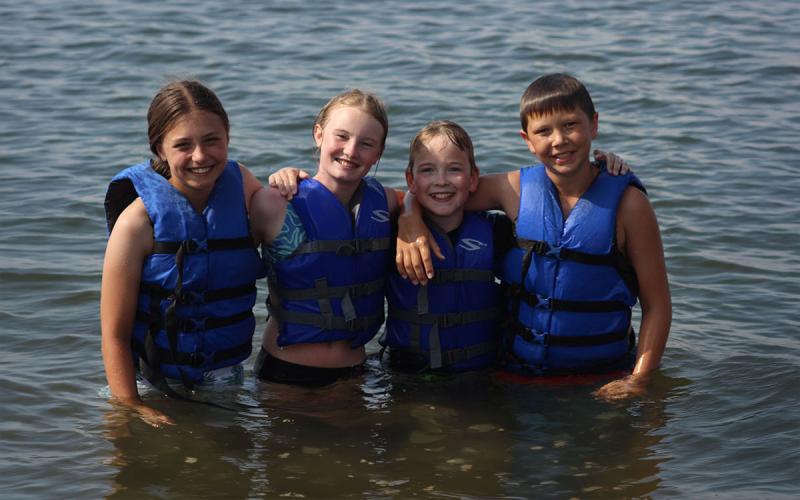
- Swimming
- Roller skating
- Jump rope
- Martial arts
- Yoga
- Gardening
- Playing at the playground
- Obstacle courses
- Active video games
- Trampoline parks
- Nature scavenger hunts
Some children prefer creative or independent activities rather than team settings. Others may enjoy short bursts of activity instead of long practices or games.
Make Activity Part of Everyday Life
Physical activity does not have to happen in a gym or on a field. Small moments of movement throughout the day add up.
Look for simple ways to build activity into your family’s routine:
- Take walks after dinner
- Park farther away from entrances
- Take movement breaks during homework time
- Walk or bike to nearby destinations
- Do active chores together, such as raking leaves or washing the car
- Plan active family outings on weekends
When activity becomes a normal part of daily life, children are more likely to see movement as something enjoyable instead of something they “have” to do.
Be a Role Model
Children pay attention to the habits of the adults around them. One of the best ways to encourage activity is to let your child see you being active too.
You don’t need to be a marathon runner or fitness guru. Simple actions and habits matter:
- Taking walks
- Stretching
- Working in the yard
- Riding bikes
- Choosing active hobbies
- Limiting screen time
When parents talk positively about movement and prioritize activity themselves, children are more likely to follow that example.
Celebrate Effort, Not Ability
Children are more likely to stay active when they feel encouraged rather than judged. Avoid comparing your child to siblings, classmates, or more athletic peers.
Instead, celebrate effort and participation:
- “I’m proud of you for trying something new.”
- “You looked like you were having fun outside.”
- “I love seeing you get better at...”
Positive reinforcement helps children build confidence and view movement as a rewarding experience.
Remember: Every Child Is Different
Some children love sports, while others thrive being active in other ways. There is no “right” way to move.
The most important thing is helping your child find activities they enjoy and can continue throughout life. By keeping movement fun and pressure-free, you can help your child build healthy habits that support their well-being for years to come.