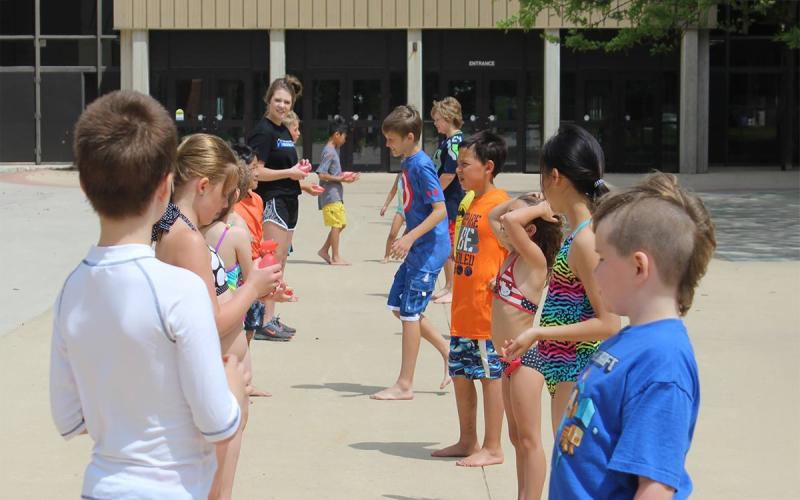
Encouraging kids to be physically active can sometimes feel like a constant battle. Many parents feel like they are always repeating themselves or they are “pushing” their children to move more, but lasting habits rarely come from pressure. Instead, children are more likely to stay active when movement feels positive, enjoyable, and self-chosen.
Let’s talk about some practical strategies to help your kids be active without creating resistance or frustration.
Focus on Fun and Enjoyment
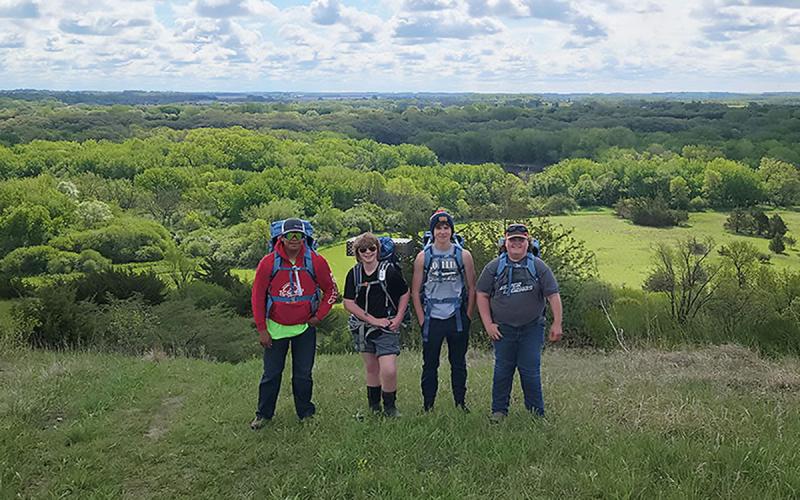
The most effective way to encourage kids to be active is to make movement fun. Children naturally enjoy play, and when activity feels like a game rather than a task, they are more likely to participate willingly. Think beyond traditional sports. Activities like playing tag, riding bikes, dancing in the living room, building obstacle courses, or exploring nature can all support movement. If your child enjoys what they are doing, they will want to do it again. The goal is not to make them exercise, but to help them discover activities they genuinely enjoy.
Be a Positive Role Model
Children learn by watching. If they see adults in their lives being active and enjoying it, they are more likely to follow that example. You do not need to be an athlete to make an impact. Simple actions like going for a walk, stretching, or playing outside together send a powerful message. Even better, invite your child to join you. This shifts the focus from “you should do this” to “let’s do this together.” Making activity a normal part of family life helps children see it as something positive and routine, not something they are being told to do.
Offer Choices
Children are more motivated when they feel they have a say. Giving them opportunities to choose how they are active builds a sense of independence and ownership. Instead of directing them with statements like “go outside and play,” try offering options such as “do you want to shoot hoops or go for a bike ride?” Choice helps children feel respected and increases their willingness to participate. It also allows them to explore different activities and discover what they enjoy most.
Keep It Social
Kids are more likely to be active when movement is social. Playing with friends or spending active time with family makes movement more meaningful. Consider planning active playdates, family walks, or group games. The focus becomes spending time together rather than simply being active. When children associate movement with fun social experiences, it becomes something they look forward to.
Build Activity Into Daily Routines
Physical activity does not have to be a structured event. In fact, some of the most effective movement happens naturally throughout the day. Look for small ways to incorporate activity into everyday life. Walking the dog, helping with yard work, biking to a nearby location, or playing outside after school are all simple ways to keep kids moving. When activity becomes part of the daily routine, it feels less like something extra and more like a normal part of life.
Create Opportunities
Sometimes children are inactive because they lack opportunities. Providing access to spaces, equipment, or programs can make a big difference. Simple items like balls, jump ropes, or bikes can spark spontaneous play. Visiting parks or recreation areas can also encourage movement. The key is to make activity available without forcing participation. When opportunities are present, children are more likely to engage on their own terms.
Avoid Using Pressure or Punishment
Nagging and forcing activity often leads to resistance. Children may begin to associate movement with negative feelings, making them less likely to be active in the future. Avoid using physical activity as a punishment or framing it as something they must do. Instead, keep the tone positive and supportive. Give your child space to engage when they are ready.
Active for Life
Encouraging kids to be active without nagging requires a shift in our approach. Focus on creating an environment that supports movement, fun, and choice. When kids feel confident and free to explore activities they enjoy, physical activity becomes something they choose, not something they are forced to do. Over time, these positive experiences can build habits that last well into adulthood.