Staying active as a family can be challenging when everyone is at different ages and ability levels. However, research consistently shows that family-based physical activity is one of the most effective ways to support health, build relationships, and create lifelong habits. Families play a critical role in shaping activity behaviors, and shared movement can benefit both children and adults across the lifespan.
Why Family Activity Matters
Physical activity improves physical health, mental health, and social connection. Regular activity strengthens muscles and bones, improves cardiovascular health, boosts mood, and improves cognitive development, while also reducing the risk of chronic disease later in life. Family environments strongly influence whether children are active or sedentary. Studies show that parent activity levels and family dynamics are closely linked to children’s activity behaviors.
Family-based physical activity also strengthens relationships. Shared activities can improve family connection and communication. Intergenerational family activity, including participation from grandparents, adds additional benefits by promoting social connection and well-being across all ages.
Challenges When Ages Differ
Families often face barriers when trying to be active together. Differences in physical ability, interests, and attention spans can make it difficult to find activities that work for everyone. Research highlights common barriers to activity to be lack of time, limited access to spaces to be active, and competing responsibilities. Younger children may prefer play-based movement, while teens or adults may seek more structured or higher-intensity exercise.
Recognizing these differences is important. Rather than expecting one activity to meet all needs perfectly, successful families often focus on flexibility, creativity, and shared enjoyment.
Choose Flexible Activities
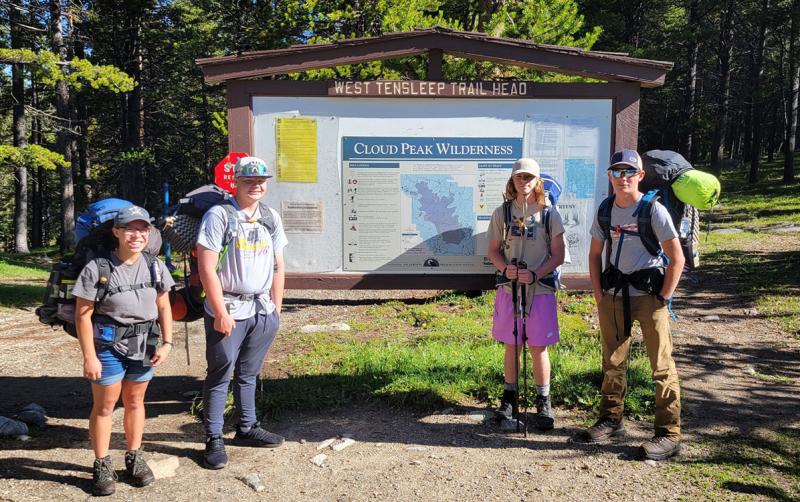
Activities that can be easily adapted for different ability levels are ideal. Walking, biking, hiking, and playing at a park allow each family member to participate at their own pace. For families with children of different ages, equipment can help make these activities more inclusive. Babies and toddlers can ride in strollers or jogging strollers for walks/jogs, while bike trailers or attachments allow younger children to join bike rides safely. Older children can use training wheels or ride their own bikes, and teens or adults might use standard bikes or even e-bikes to help keep up with the group. These options make it easier for everyone to participate together, even when abilities vary. Research supports that offering a variety of enjoyable, age-appropriate activities helps maintain engagement.
Focus on Fun, Not Performance
Children are more likely to be active when the experience is enjoyable. Fun, social interaction, and outdoor play are key motivators for physical activity. Games like tag, scavenger hunts, or backyard obstacle courses allow all ages to participate without focusing on skill level.
Plan Ahead as a Family
Planning physical activity together can help increase participation. Let each family member help choose activities. This creates a sense of ownership and increases the likelihood that everyone will stay involved, especially children. Including input from children, especially the older children and teens, makes them more likely to stay engaged when they feel their ideas matter and when activities match their interests. When families only choose activities for younger children, older kids may feel frustrated or like they are stuck doing “little kid” activities. Taking turns choosing activities or offering a few options can help balance everyone’s interests. This approach helps keep older children engaged while still making sure younger children are included and having fun.
Encourage Role Modeling
Parents and caregivers play a powerful role as models. Children are more likely to be active when they see adults participating regularly in physical activity. This modeling extends across generations, as grandparents and other caregivers also influence activity habits.
Building Lifelong Habits
Family-based physical activity is all about creating consistent opportunities for movement, connection, and fun together. Evidence shows that engaging the family is an effective strategy for increasing physical activity, particularly in children. Families have the capability to create an environment where everyone stays active, regardless of age or ability. Over time, these experiences help build healthy habits that last a lifetime.