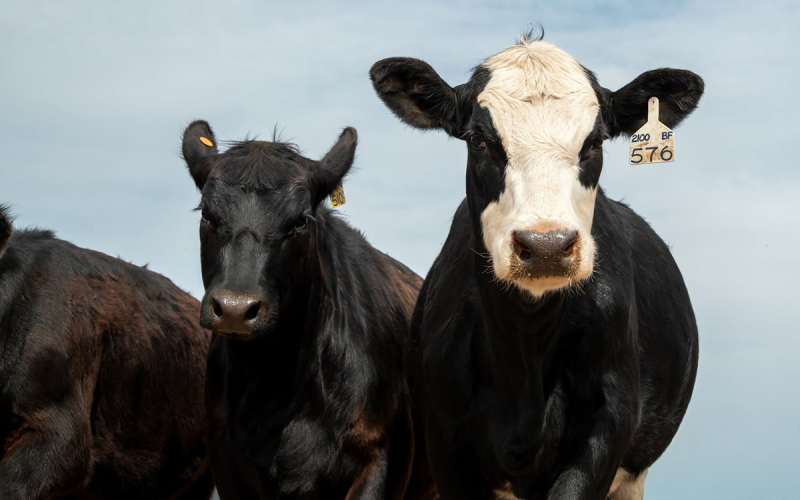
This guide is intended for livestock producers and crop producers interested in integrating cover crop grazing into cash crop systems. Recommendations identify opportunities for both fall grazing of rapidly establishing annuals and spring grazing of overwintering species, helping extend grazing seasons, reduce harvested feed costs, and improve nutrient cycling within crop rotations.
- Average first frost date assumed to occur around October 1 across much of South Dakota.
- Warm-season annuals perform best when planted before August 1.
- Cool-season annuals provide the greatest fall production when planted from late July through early September.
- Crops harvested after approximately September 1 increasingly favor spring grazing systems utilizing overwintering species.
- Herbicide carryover, fertility, moisture, nitrate accumulation, prussic acid risk, and livestock class should be considered before grazing.
| Primary Crop | Typical Harvest Window | Days From Harvest Until Avg. First Frost | Grazing Opportunity | Suitable Cover Crop Options | Estimated Grazing Start | Expected Forage Production |
|---|---|---|---|---|---|---|
| Winter Wheat | July 20 - Aug. 10 | 50-73 | Excellent | Warm: Sorghum-sudan, pearl millet, cowpeas, sunflower. Cool: Oats, brassicas, peas, annual ryegrass. Avoid: Winter cereals for max fall biomass; brassica-only mixes. | Early Sept. | 2.5-5.0 tons/ac |
| Spring Wheat | Aug. 10-25 | 37-52 | Very Good | Warm: Sorghum-sudan or millet (early). Cool: Oats, turnips, radish, peas, annual ryegrass, winter rye. Avoid: Long-season warm-season grasses after late Aug. | Late Sept.–Oct. | 1.5-3.0 tons/ac |
| Oats (Grain) | Aug. 5-20 | 42-57 | Very Good | Warm: Millet (early). Cool: Oats, brassicas, peas, annual ryegrass, winter rye. Avoid: Sorghum-sudan after mid-Aug. | Late Sept. | 1.5-3.0 tons/ac |
| Barley (Grain) | Aug. 1-15 | 47-61 | Very Good | Warm: Millet, sorghum-sudan (early). Cool: Oats, peas, brassicas, annual ryegrass, winter rye. Avoid: Full warm-season cocktails after mid-Aug. | Mid–Late Sept. | 1.5-3.0 tons/ac |
| Winter Rye / Triticale | Mid-Late July | 60-75 | Excellent | Warm: Sorghum-sudan, millet, cowpeas. Cool: Oats, peas, brassicas. Avoid: None beyond herbicide restrictions. | Early Sept. | 2.5-5.0 tons/ac |
| Peas / Lentils | Late July- Aug. | 50-70 | Excellent | Warm: Sorghum-sudan, millet, sunflower, cowpeas. Cool: Oats, brassicas after Aug. 1. Avoid: None significant. | Early Sept. | 2-4 tons/ac |
| Corn Silage | Aug. 20- Sept. 15 | 16-42 | Very Good | Warm: Not recommended after early Sept. Cool: Oats, brassicas, winter rye, triticale, winter peas. Avoid: Sorghum-sudan, millet, long-season legumes. | Late Oct. –Nov. | 1-2.5 tons/ac |
| Sorghum Silage | Late Aug.- Sept. | 20-35 | Very Good | Warm: None. Cool: Oats, brassicas, winter rye. Avoid: Warm-season grasses. | Late Oct. | 1-2 tons/ac |
| Dry Beans | Sept. | 10-30 | Moderate | Warm: None. Cool: Winter rye, triticale. Avoid: Oats after mid-Sept.; warm-season species. | Late Fall/ Spring | 1-2 tons/ac |
| Soybeans | Late Sept.- Oct. | 0-10 | Fair | Warm: None. Cool: Winter rye, winter triticale, winter wheat. Avoid: Oats, brassicas, peas, annual ryegrass; warm-season species. | Primarily Spring | 0.25-1 fall; 1-2 spring |
| Corn Grain | Oct.-Nov. | 0 | Limited | Warm: None. Cool: Winter rye (drilled or aerial seeded), winter triticale, hairy vetch. Avoid: Nearly all non-overwintering species after harvest. | Spring | 1.5-3 spring tons/ac |
| Grain Sorghum | Oct. | 0 | Limited | Warm: None. Cool: Winter rye, winter triticale. Avoid: All non-overwintering species. | Spring | Spring only |
| Sunflowers | Sept.-Oct. | 0-20 | Fair | Warm: None. Cool: Winter rye, winter triticale. Avoid: Brassicas/oats after late Sept.; warm-season species. | Spring | Spring only |
| Alfalfa Termination | July-Aug. | 45-75 | Excellent | Warm: Sorghum-sudan, millet, cowpeas, sunflower. Cool: Oats, brassicas later. Avoid: High legume-only mixes. | Early Sept. | 3–6 tons/ac |
| Pasture Renovation | July–Aug. | 45-75 | Excellent | Warm: Full warm-season cocktail. Cool: Diverse blend after mid-Aug. Avoid: Monocultures; brassica-only. | Early Sept. | 3–6 tons/ac |
| Failed Corn | June-July | 70-110 | Excellent | Warm: Sorghum-sudan, pearl millet, cowpeas, sunflower. Cool: Follow with winter rye. Avoid: High-nitrate species without testing; sorghums after drought-breaking rains. | August | 3–6 tons/ac |
| Failed Soybeans | June–July | 70-110 | Excellent | Warm: Warm-season mix. Cool: Add winter rye. Avoid: Herbicide carryover-sensitive species. | August | 3–6 tons/ac |
| Prevent Plant | May–June | 90-120 | Excellent | Warm: Full warm-season cocktail. Cool: Late-season and winter cereals after first grazing. Avoid: Single-species systems. | August | 4–7+ tons/ac |