Small Grains
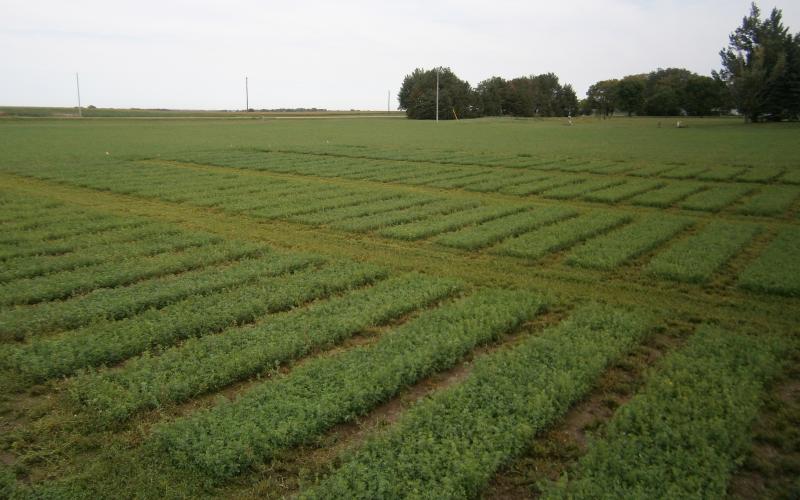
Forage Variety Trial Results
Forage Variety Trial Results include data from different locations in South Dakota.

Oat Variety Trial Results
In 2026, oat variety trials were planted throughout various locations in South Dakota.
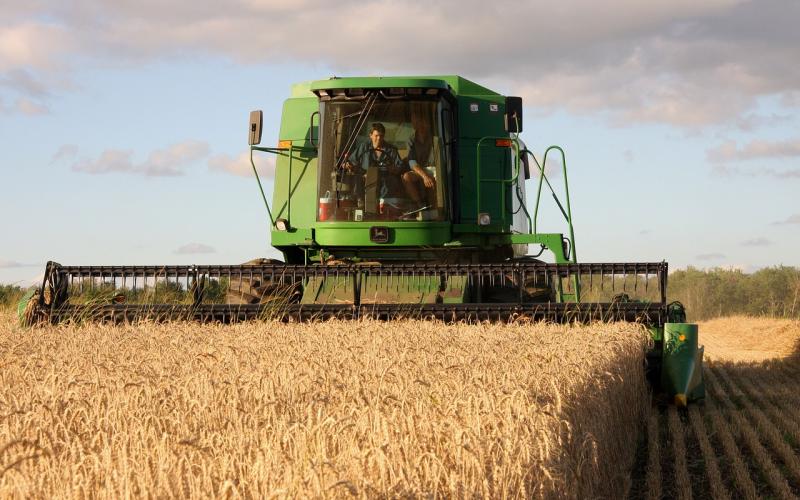
Factors Affecting Wheat Production Decisions: Producer survey findings
Recent USDA data shows that during the past 3 years acres devoted to wheat production continue declining in both South Dakota and North Dakota (USDA, 2018). South Dakota wheat acres experienced a remarkable decrease of 31.5% during the past 3 years, compared with a relatively mild drop of 16.4% by North Dakota.
Spring Wheat Variety Trial Results
Spring wheat variety trials were planted throughout various locations in South Dakota.
Wheat Nutrient Management Practices
South Dakota wheat nutrient management survey results.
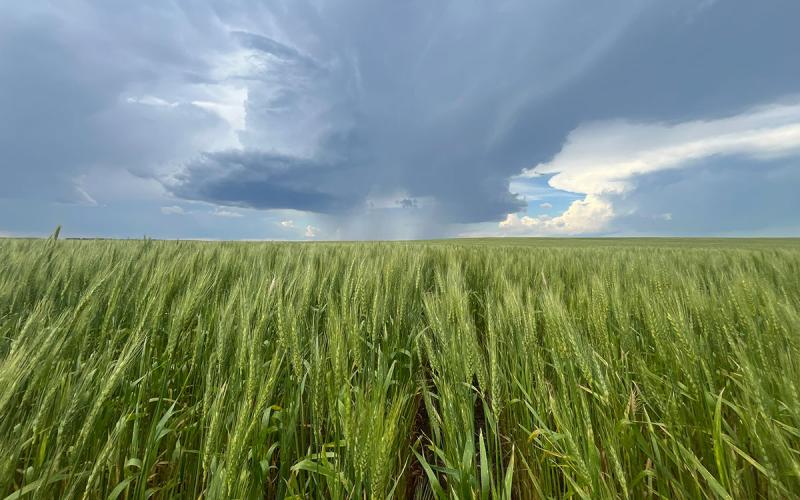
Winter Wheat and Nitrogen: Decisions for the 2027 Growing Season
Producers cannot control fertilizer or grain markets, but they can control how efficiently nitrogen is used on their farms. Learn some key strategies and considerations for the 2027 growing season.
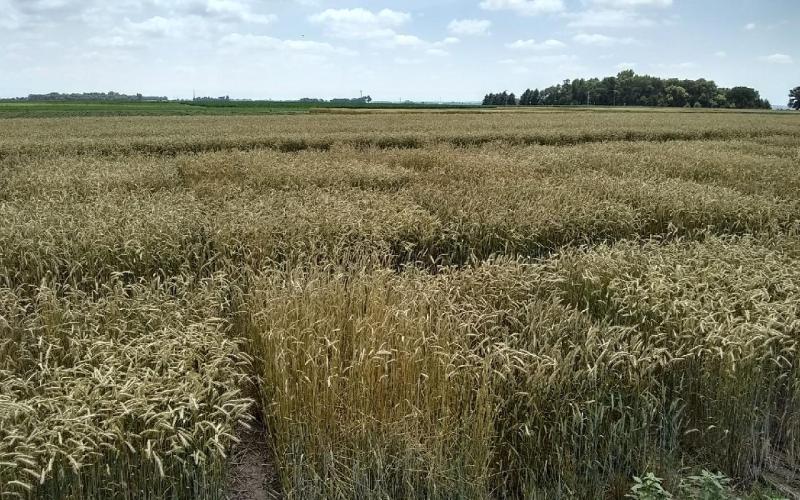
Rye Variety Trial Results
2025 Rye Variety Trial Results in South Dakota.
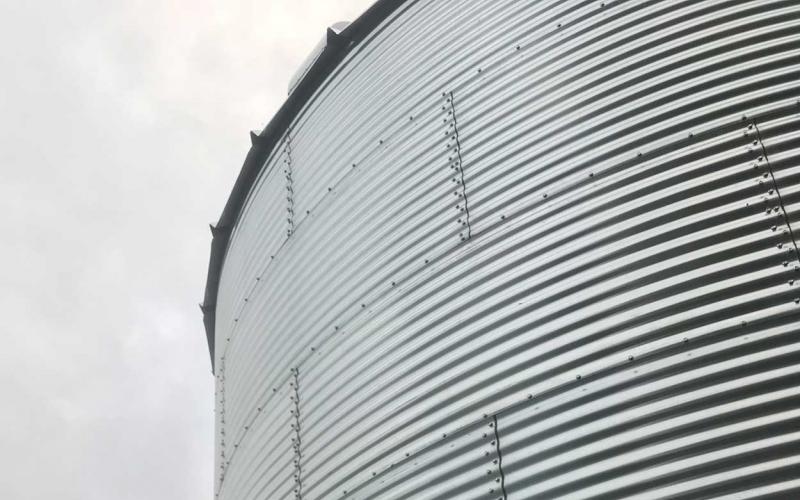
Steps to Prevent Stored Grain Infestations
As fall harvest is approaching it is important to ensure that grain bins are prepared in the best possible manner to prevent insect infestations.
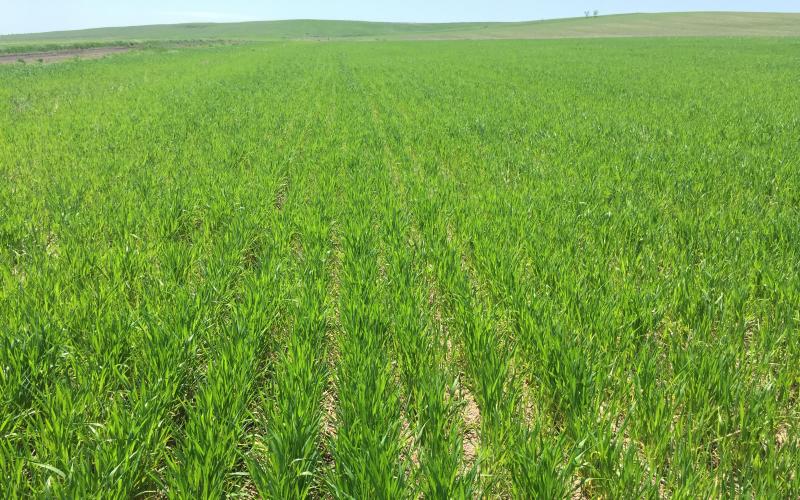
Winter Wheat Variety Trial Results
The Winter Wheat Variety Trial Results are crop performance testing data from various locations across South Dakota.
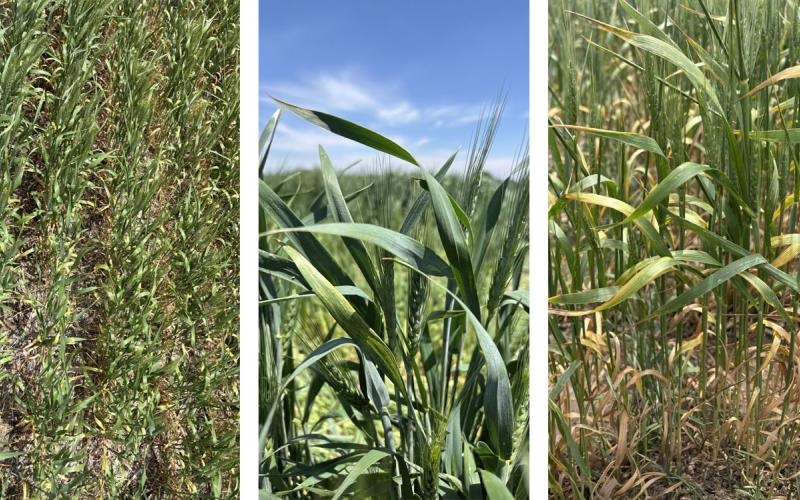
South Dakota Wheat Streak Mosaic Virus Disease: 2026 Update
Wheat streak mosaic virus is on the move across South Dakota wheat fields. Due to the mild winter and overwintering in winter wheat, viral activity has had a jump start in 2026, and the occurrence and intensity of disease pressure is comparable to the 2025 season.