Farm Management
All Farm Management Content
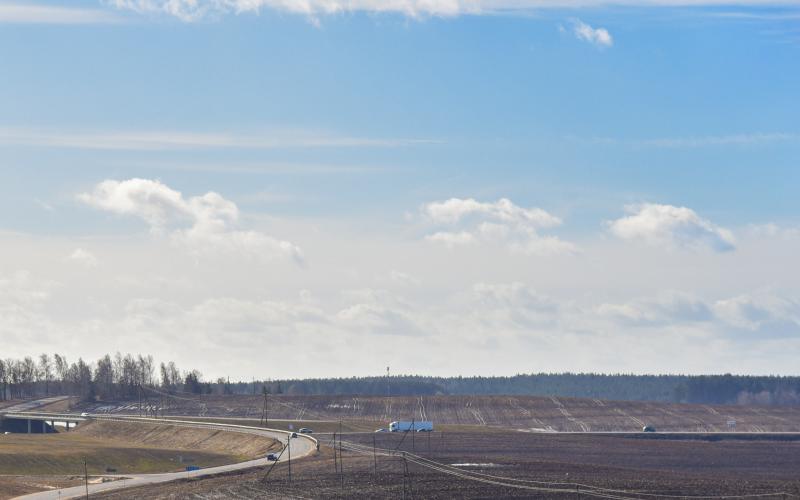
Spring Wheat 2019: A Repeat of Last Year?
The spring of 2019 has been cold and wet in many areas of South Dakota, similar to the spring of 2018. In 2018, despite the challenging weather, spring wheat acres were up 8% from 2017. However, planted acres in 2019 may be reduced as the extended weather forecast shows unfavorable planting conditions extending well into May.
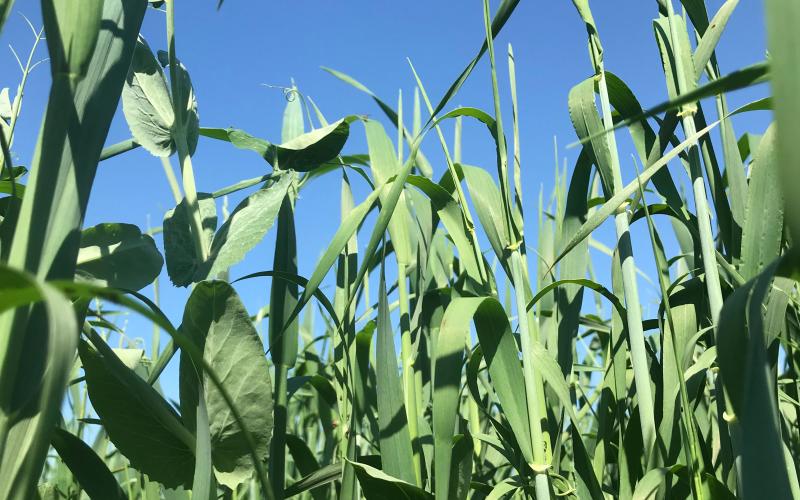
Buying or Selling Oats for a Cover Crop? Be Sure to Follow the Rules
As a challenging 2019 row crop planting season wraps up in South Dakota, many producers are looking to plant cover crops on unplanted acres. One popular cool-season grass cover crop is oats. Most oats in South Dakota are grown as certified varieties, and it is important to be aware of the legal ramifications behind purchasing oat seed for use as a cover crop.
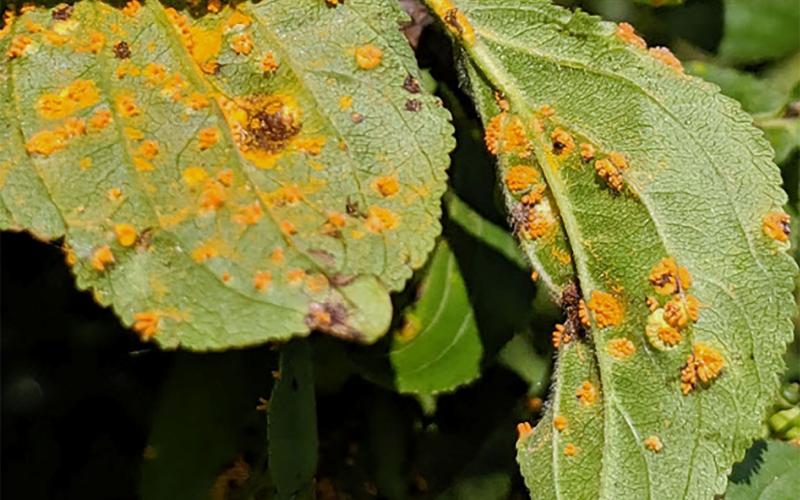
Oats Crown Rust Inoculum Abundant This Year
Crown rust is the most important fungal disease of oats in South Dakota. In years with heavy disease pressure, susceptible cultivars can have over 80% yield loss due to crown rust. The presence of crown rust inoculum on buckthorns can be an indication of the likely risk for crown rust to develop during the growing season. Buckthorns scouted recently were loaded with crown rust inoculum.
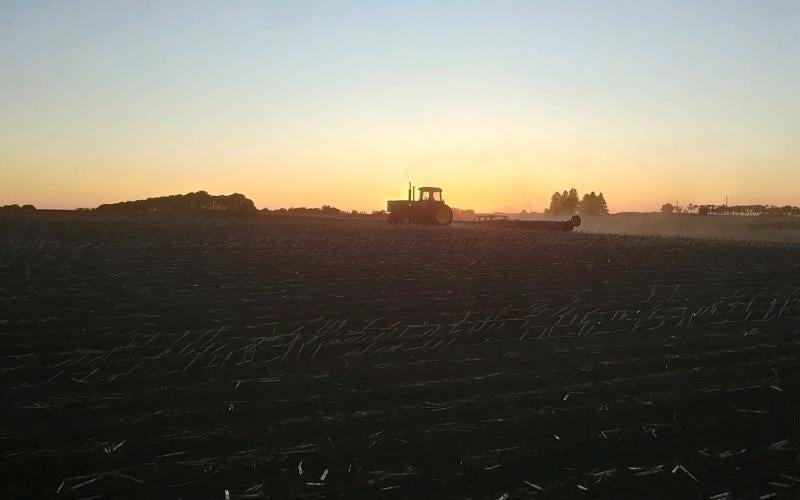
Soybean Rolling: Yield Effects
Land rolling soybeans has become a common management practice in many areas of South Dakota. The main reason for using a land roller on soybean fields is to push down rocks and level the soil surface for harvest, in theory reducing the amount of rocks and other debris that can potentially damage a combine header.
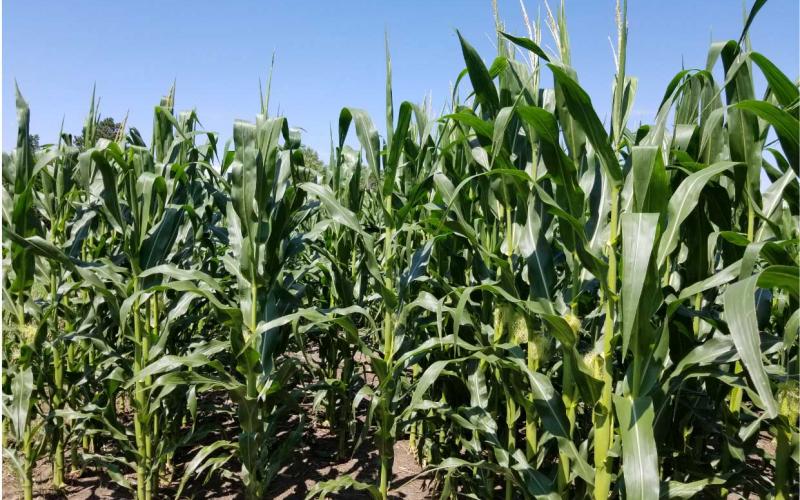
2019 Corn Growing Degree Day Update
Growth and development in crops are a direct response to accumulated heat units or growing degree days (GDD). The Corn GDD Tool at the High Plains Regional Climate Center can be a useful resource for not only estimating crop growth stage, but also for selecting hybrids within the appropriate maturity group.
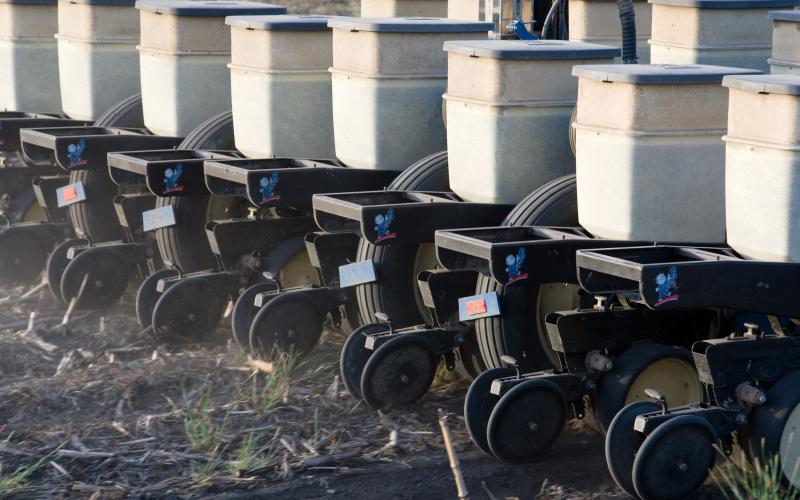
Late Soybean Planting: Management Considerations
While saturated soil conditions are prevalent in many areas of the state, extended weather outlooks suggest that producers may be able to return to the fields and resume soybean plantings in the near future. Should management practices change due to the late planting season?

Switching Corn Hybrid Maturities
The decision to change maturities is ultimately up to each individual producer and is based on unique situations such as risk tolerance and harvest capabilities, such as drying capacity.
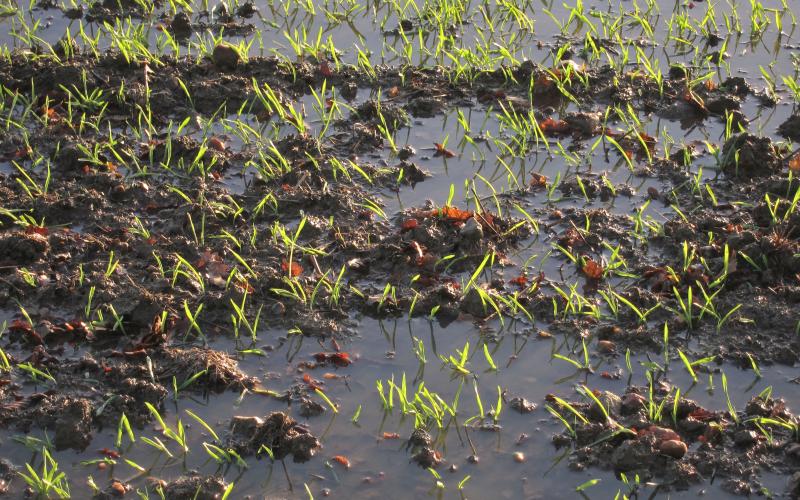
Wet Feet in Wheat
Given the widespread wet conditions present this spring, there are many areas in winter wheat fields with both ponding and saturated (or waterlogged) soils. Producers may want to consider soil conditions and evaluate extended weather forecasts when deciding whether or not to retain a winter wheat this spring.
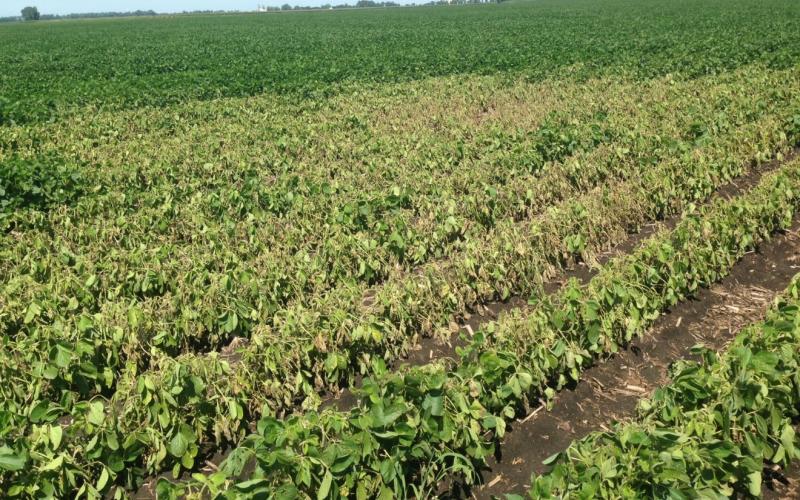
Replanting Considerations
Every season weather events such as hail or flooding can damage or destroy previously planted crops in all or in portions of fields. In May or even early June, many producers will replant these areas. As the end of June approaches, the window for replanting narrows and producers may want to do a more careful evaluation of whether or not to replant.
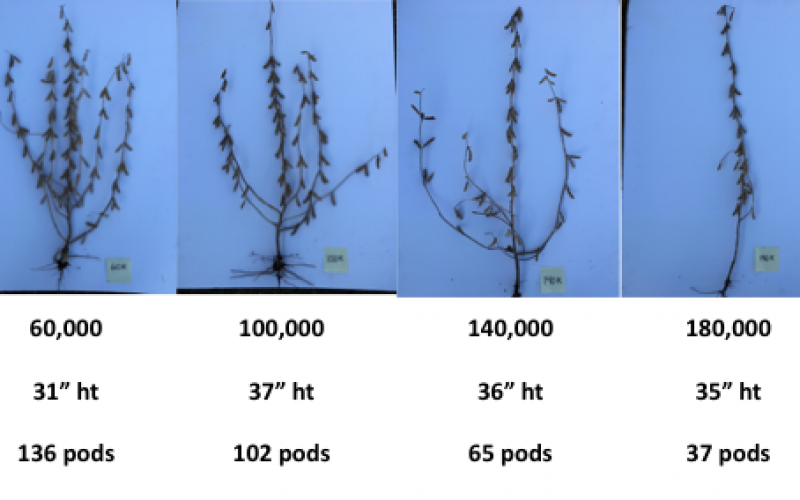
Soybean Planting Population: A Review
There have been reports in recent years that agronomists in states such as Iowa, Nebraska and Wisconsin have observed success when reducing soybean planting populations.