Farm Management
All Farm Management Content
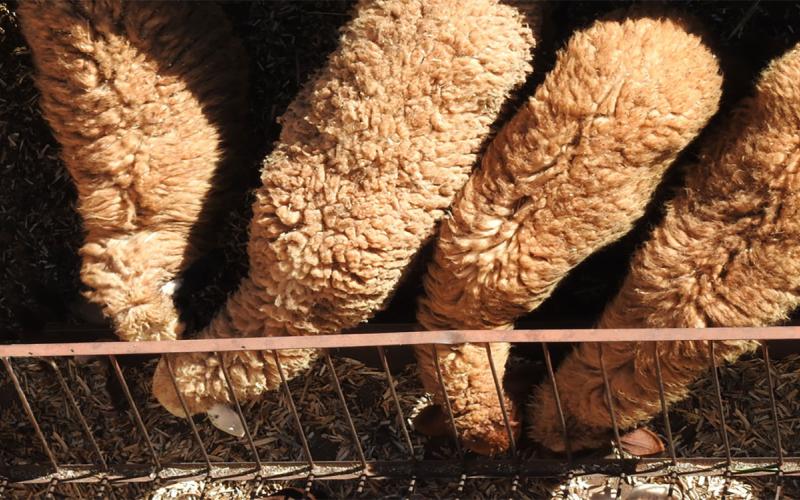
Nutritional Considerations for Flocks During Breeding Season
Optimizing flock nutrition throughout the breeding season can help improve conception rates, lambing percentages and ram longevity.

Drought and Heat Effects on Corn Production
Nearly every season in South Dakota there are periods of hot, dry weather in at least parts of the state. While we have no control over the weather, producers can prepare for drought stress by using proactive practices.

Using Data for Better Seed Selection
As harvest wraps up across the region, winter preparation and planning for next year begins. Yield trial results are a key component when making sound seed selection decisions.
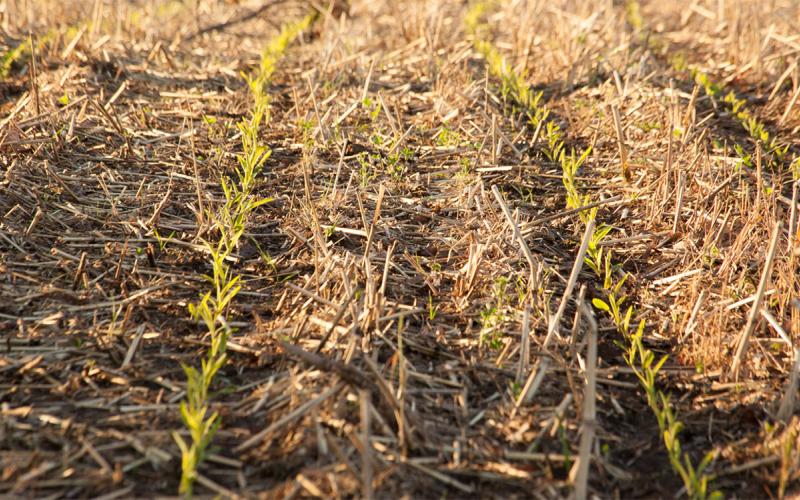
Corn Planting Populations: A Deeper Dive
Corn is grown all across South Dakota, and the optimal target population varies depending on location. In a nutshell, there is a lot more to seeding population selection than what meets the eye.
Estimating Corn Emergence With Growing Degree Days: Data from May 7, 2021
With corn planting well underway in South Dakota, the next step is monitoring its emergence. One of the factors that can speed up or delay corn emergence is air temperature.
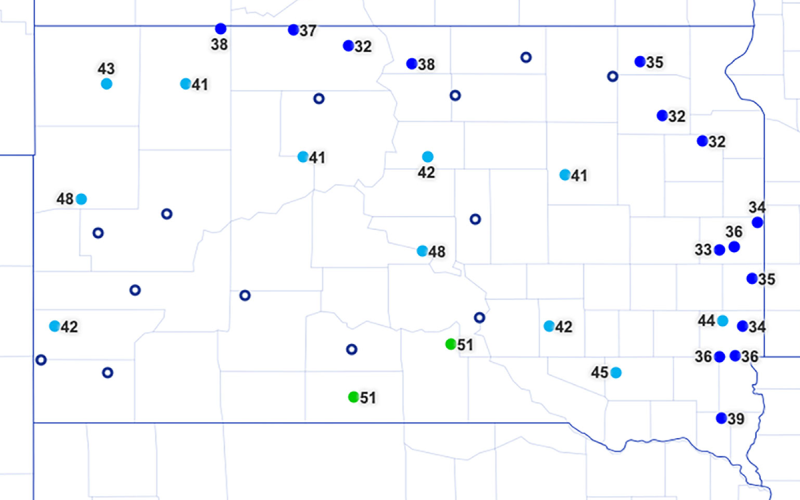
Delayed Planting Due to Soil Temperatures?
Although it can be tempting to get a head start with row crops, it's important to be mindful of soil temperatures and the risks associated with planting early.

Planting Spring Wheat Into Corn or Milo Residue: Considerations for Scab
Due to current grain prices and other reasons, growers may be considering planting spring wheat into fields that were planted to corn or milo last season. While this type of crop rotation is not generally recommended, economic and logistical challenges sometimes may dictate otherwise.
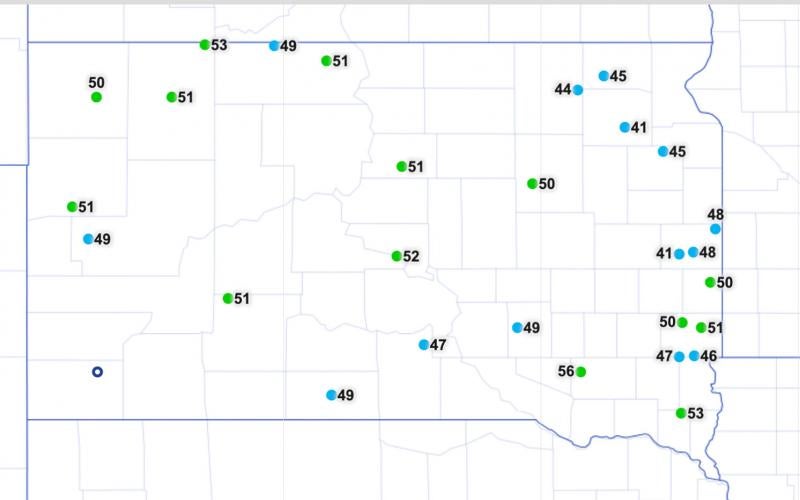
Soil Temperature for Planting Spring Crops
Soil temperature is an important consideration for deciding when to begin planting spring crops. If producers in South Dakota would like a quick reference for soil temperatures in their area, the SD Mesonet network measures soil temperature at several weather stations throughout the state.
Chloride Fertilizers May Be Beneficial in Spring Wheat Production
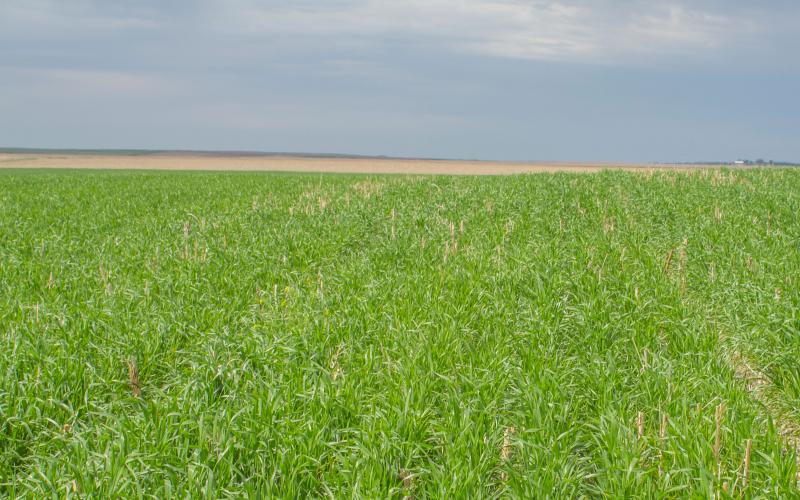
Chloride, the ionic form of chlorine, although not considered an essential nutrient, has long been observed to be highly beneficial to field crops. Chloride is known to play an essential role in plant development and osmoregulation.
Low Temperature Damage to Corn and Soybean
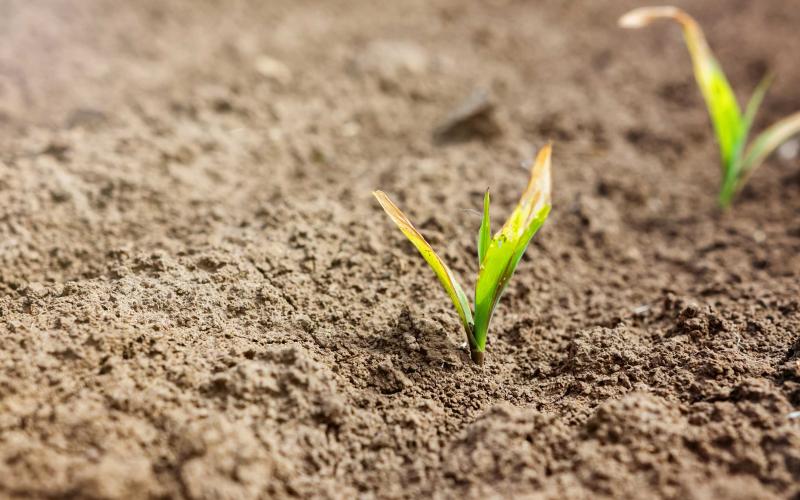
Temperatures are forecast to reach 32°F or lower in large areas of South Dakota for several nights beginning on May 7, 2020. While a relatively low percentage of planted crops are likely to be emerged at this point in time, producers may still want to evaluate individual fields for crop damage.