Farm Management
All Farm Management Content

SDSU Extension supports caregiving plans for family farms
April 15, 2024
National Healthcare Decisions Day is April 15, 2024, and South Dakota State University Extension is encouraging family farm owners to make long-term caregiving decisions.
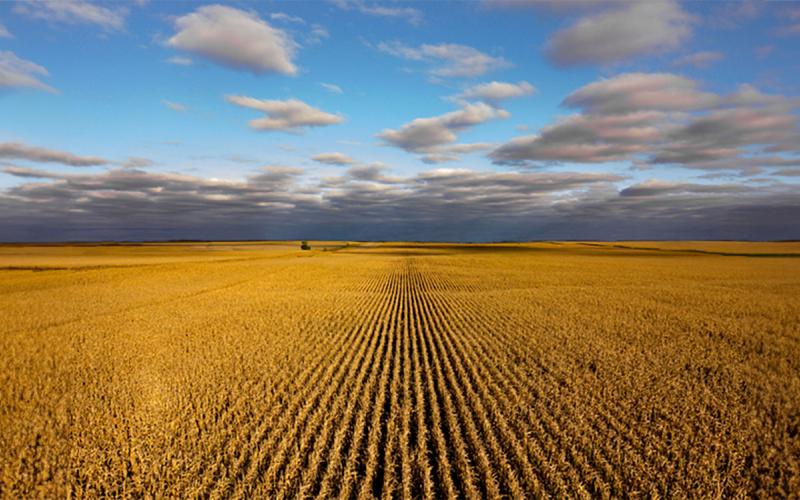
Large Farms Continue to Dominate South Dakota Crop Production
Based on the 2022 U.S. Census of Agriculture, large-scale farms operate more than two-thirds of the total cropland acres in South Dakota. Learn some expert insights about the trends driving this development.

Calving Apps: Beyond the Barn
There are many calving apps available for smart phone users, and finding the right one can be challenging. Learn some expert tips on selecting the right one to accomplish your operation's goals.
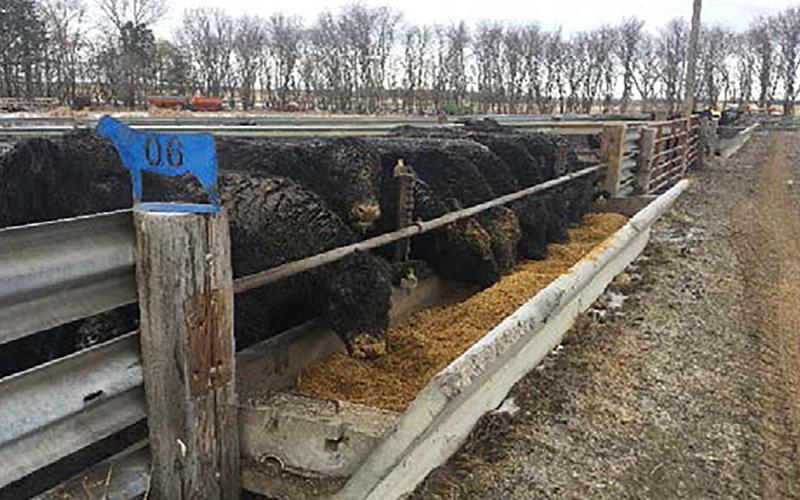
Case Study: Effect of Adding More Concrete to Open Pens
Mud caused by excessive precipitation dramatically reduces cattle performance. Pouring additional concrete and working on improving pen surfaces are approaches that can improve poor-weather performance in an open yard.
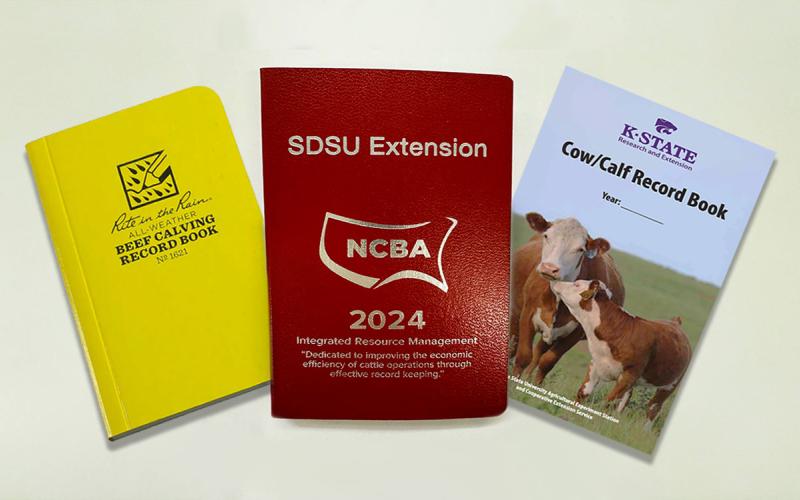
Calving Books: Don’t Judge a Book by Its Cover
Calving books are an essential record-keeping component for cow-calf operations. Learn some expert tips for finding a book that best suits your operation and employees.

SDSU Extension programs address economic questions
March 07, 2024
More than 1,000 people have attended Sustaining the Legacy since it started in 2006. The estate planning conference series helps farmers and ranchers successfully transfer their operations to the next generation. The conferences are held several times a year across South Dakota, typically for one day per week for three weeks.

Carbon Markets and Beef Production: Overview
Learn about the Carbon Markets and Beef Production program, which aims to demystify many of the aspects of greenhouse gas emissions, climate-smart agriculture practices, and carbon markets for producers and landowners.
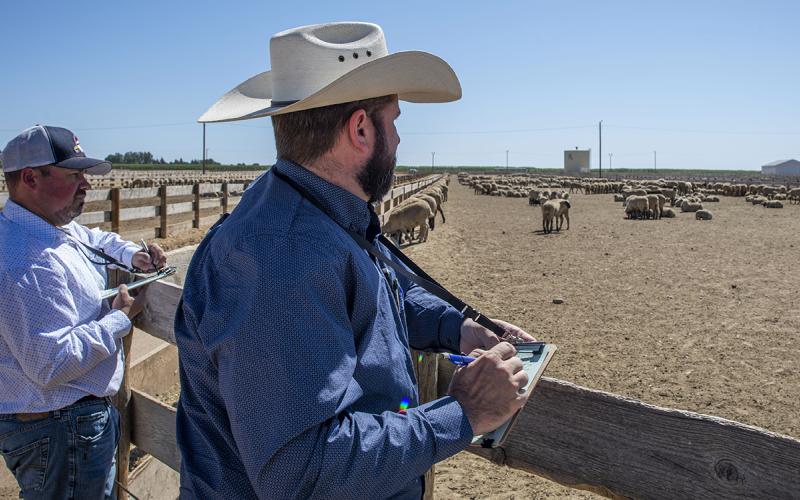
Direct Marketing Lamb: Estimating Finish Weights
Determining when lambs should be harvested is critical for optimal quality and consumer satisfaction.

Sheep Facilities and Moisture
Fact sheet for keeping a barn comfortable and dry to increase lamb survival.
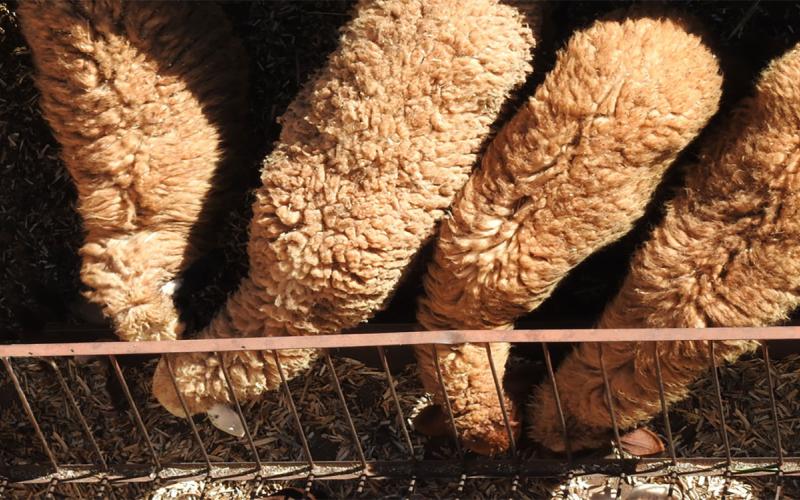
Nutritional Considerations for Flocks During Breeding Season
Optimizing flock nutrition throughout the breeding season can help improve conception rates, lambing percentages and ram longevity.