Diseases & Disorders

Wearing a Respirator? Then No Facial Hair for You!
At commercial or private applicator re-certification trainings, it is possible to hear the phrase, “Don’t wear a respirator if you have facial hair!” Facial hair, whether a full beard or stubble, may prevent respirators from sealing to the skin or interfere with their valve function.
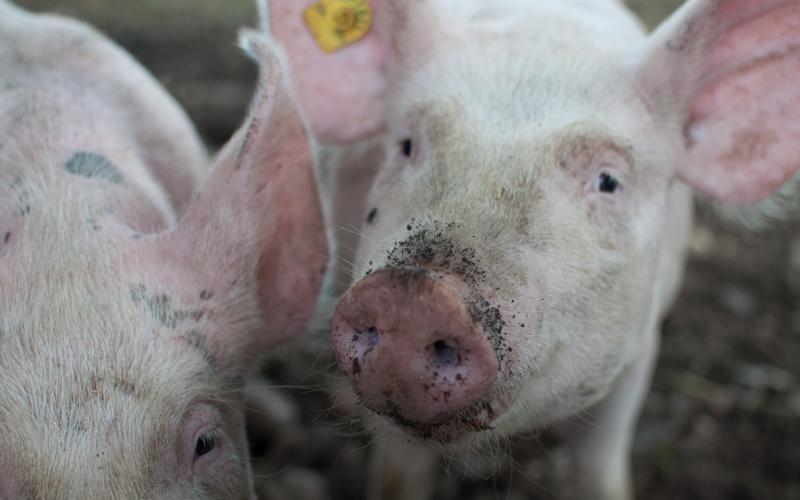
What Would African Swine Fever Look Like if it Hit the US?
The incursion and expansion of African Swine Fever (ASF) into China has raised concerns among producers and regulatory officials about the threat the disease may pose to the U.S. swine industry.

Soybean Growers Sought for On-Farm Research Program
We want you! SDSU Extension and the South Dakota Soybean Research and Promotion Council are seeking South Dakota Soybean Growers willing to participate in a farmer-led on-farm research program.
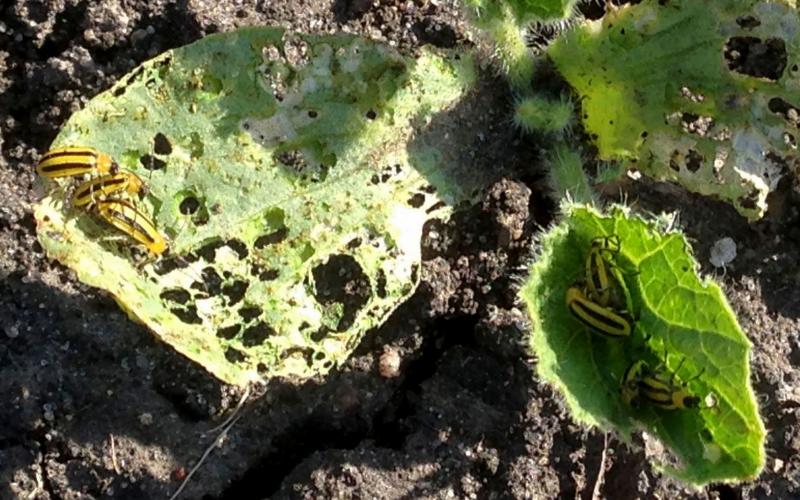
What's Bugging Your Garden? Cucumber Beetles
Striped cucumber beetles are little yellow and black striped beetles that are fairly small, but what they lack in size they make up for in numbers and appetite.
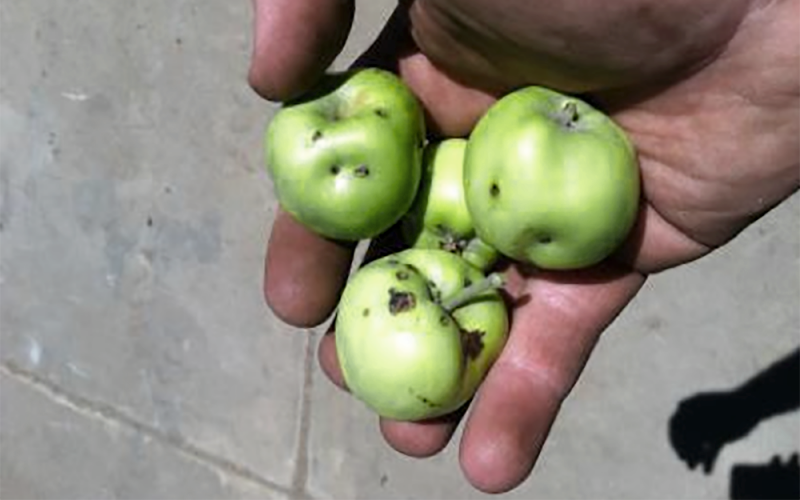
Apple Issues
Learn to identify and manage common apple tree issues including: apple maggot injury, apple scab, cedar apple rust, and fruit cracking.
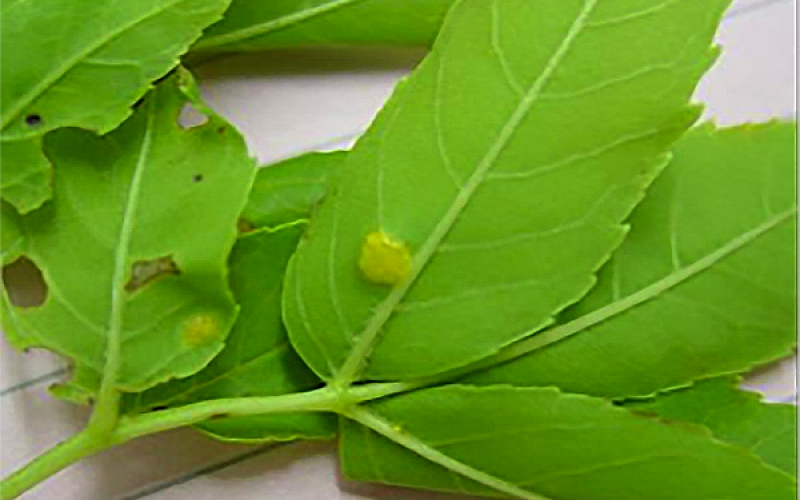
Tree Rust Diseases
Ash rust and crown rust are two common rust diseases that impact South Dakota trees.
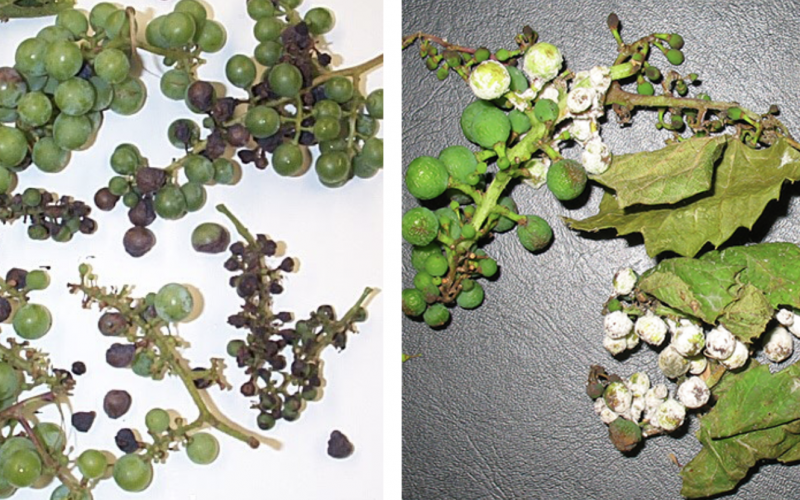
Black Rot & Downy Mildew: Two diseases that can rot grapes
There are several different diseases that can infect the fruit, but two of the most common are black rot and downy mildew. Their symptoms are quite different.
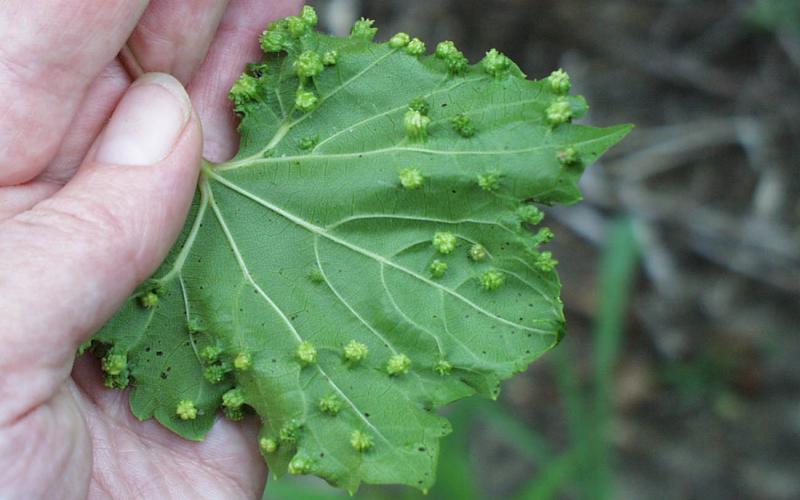
Phylloxera: A Grape Pest
Some grape growers may notice that some of their shoots have bumpy growths on the bottom of new leaves. These bumps are galls caused by the grape phylloxera, an aphid-like insect.
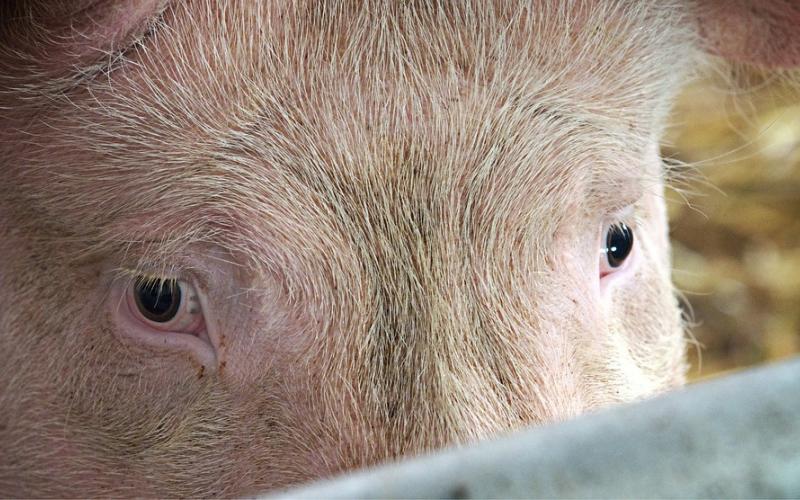
Swine Respiratory Health: Detecting Multiple Viruses
Over the past decade, surveillance and diagnosis of respiratory agents have been revolutionized by the use of non-invasive techniques such as oral fluids sampling.
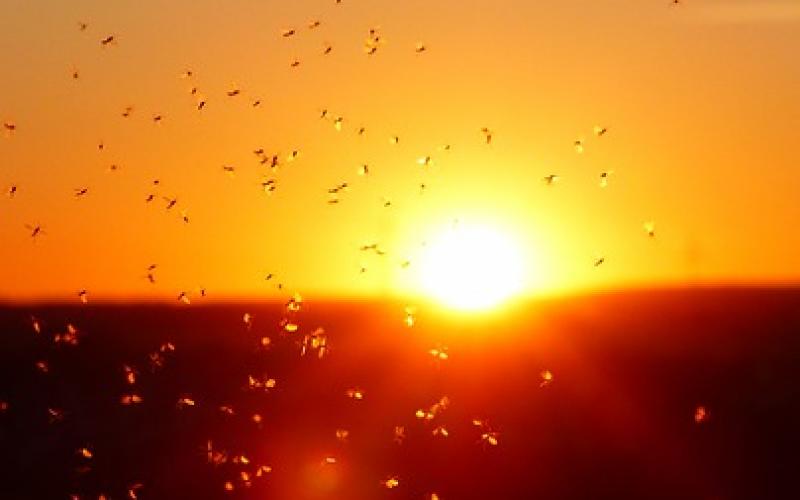
West Nile in South Dakota: Expect Cases Into Early Fall
While it’s true that in South Dakota most West Nile Virus cases occur during August, new human infections are detected well into September in most years.