SDSU Extension Survey
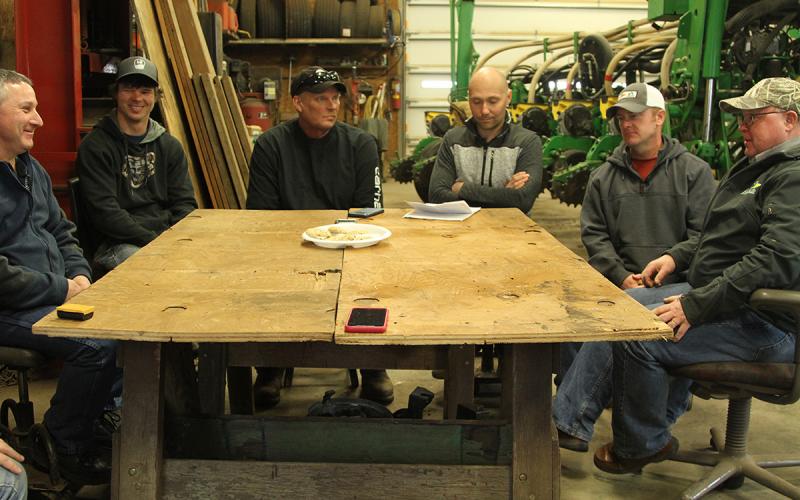
The 2022 Census of Agriculture reports that the average American farmer or rancher is now 58.1 years old—a number that has steadily risen for decades. This trend raises pressing questions: who will steward the land next, how will we develop a pipeline of future producers, and where will the next generation of skilled farm and ranch workers come from?
A team from SDSU Extension is exploring the challenges and opportunities facing our agricultural community, and we need your help. Your experiences, ideas, and insights are invaluable for shaping programs, workshops, and resources that truly meet your needs. Please take a few minutes to complete a short survey, then read the rest of the article. Thank you for taking the time to share your experiences and perspectives. Your voice truly matters.
Understanding Workforce Challenges
Hiring and retaining farm labor has never been easy, but today it is particularly challenging. Employers face a shrinking and aging labor pool, limited interest from younger generations, and the demanding realities of agricultural work—long hours, physical risk, and rural isolation. Recruitment is further complicated by high turnover, the cost and complexity of programs like the H-2A visa, and the challenge of finding skilled candidates while maintaining profitability. Retention also presents hurdles: wages often lag behind other industries, schedules are unpredictable, benefits are limited, and career advancement opportunities are scarce. Seasonal work and nationwide labor shortages only heighten the difficulty of attracting and keeping dependable, skilled employees.
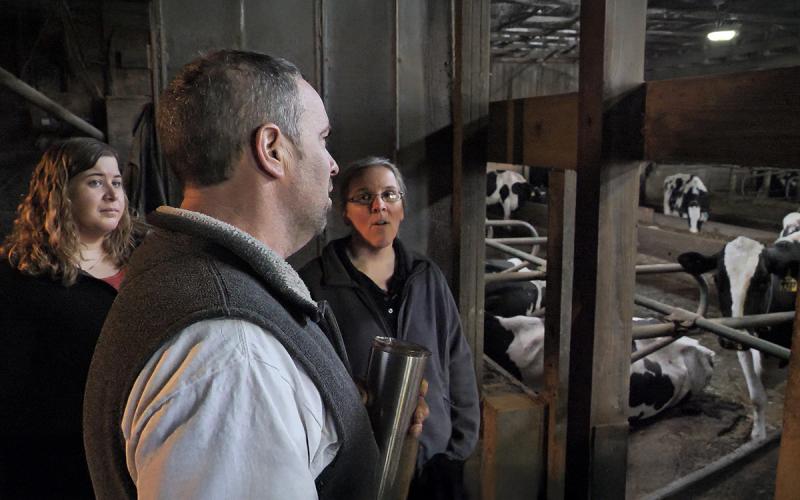
Research from U.S. dairy farms illustrates these challenges. A survey of employees and employers, including English-speaking and Latino workers, found that employees were more alike than different in their responses. Yet employers consistently underestimated workers’ job satisfaction, interest in learning, and commitment, while overestimating the frequency of recognition, training, and access to necessary resources. Misalignment in farm goals among owners, managers, and employees highlighted communication as a central weakness across farms.
Similarly, Nebraska feedlot managers identified three primary hiring challenges: a perceived lack of work ethic among applicants, difficulty competing with other employers’ wages, and a shortage of candidates with the right skills. At the time of the survey, wage growth had not kept pace with inflation, further complicating recruitment efforts.
Large-scale, technologically advanced swine operations face similar pressures. Employee turnover ranges from 20–35%, with much of it occurring in the first 30–90 days. Turnover is costly—estimated at 30–150% of an employee’s salary—and directly affects production outcomes. Research by Black and Arrunda (2021) found that while involuntary turnover occasionally improved performance, variability underscored the need for strong management, effective onboarding, mentorship, and ongoing training to retain skilled staff.
Millennial workers, who make up a growing portion of the workforce, show particularly high mobility. A 2021 nationwide survey of millennial employees in food and agribusiness found that 60% leave their employer within three years, and 80% had left a previous employer within that same period. Career growth opportunities were the primary reason for leaving: 51% felt changing employers was essential to meet long-term goals, and another 29% believed it might be necessary.
Investigating Retention Strategies
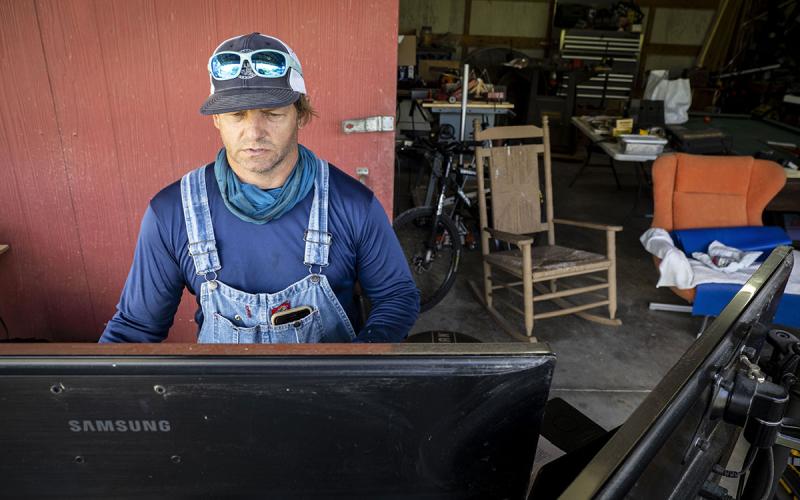
Even intrinsically motivated workers need their psychological needs for autonomy, competence, and relatedness met to sustain engagement and prevent burnout. Penn State Extension recommends strategies to support this, including giving employees a voice in how tasks are completed, providing meaningful learning opportunities, fostering teamwork, recognizing effort consistently, leading with empathy, offering clear growth pathways, and tailoring motivation strategies to individual workers.
International research supports these conclusions. A study of Brazilian agribusiness found that professional growth and development were the most important factors in retaining employees (68.8%), while lack of recognition (37.5%) and low pay (31.2%) were key sources of demotivation. Recognition and continuous development practices were linked to stronger engagement and better organizational performance, highlighting the universal value of investing in workforce development.
Efforts to improve farm labor retention are not new. A 2006 case study by the California Institute for Rural Studies, based in Davis, California, surveyed farmers, managers, and over 100 employees across 12 farms. The research demonstrated that positive working conditions can go hand-in-hand with healthy profits. The study highlighted 10 practices that improve employee satisfaction, retention, and productivity: fair compensation, respectful treatment, year-round employment, traditional and non-traditional benefits, safe workplaces, direct hiring and recruitment, team-based management, open communication, and opportunities for professional growth. Many of these strategies are low- or no-cost and can also help farms access markets that value fair labor practices.
Taken together, these studies make a clear case: workforce challenges in agriculture are long-standing but solvable. Farms that invest in management skills, communication, training, recognition, and career development are best positioned to attract and retain skilled, dependable employees. Such investments not only sustain profitability and productivity but also enhance employee satisfaction, reduce turnover, and support animal welfare.
In an industry where the average producer is nearing 60, building a strong, motivated workforce is essential to the future of agriculture. Your insights will help us understand current challenges and shape programs that support your productivity, your operations, and the next generation of ag workers.
Resources
- Black, N. J., & Arruda, A. G. (2021). Turnover events of animal caretakers and its impact on productivity in swine farms. Preventive Veterinary Medicine, 193, 105418.
- Durst, P. T., Moore, S. J., Ritter, C., & Barkema, H. W. (2018). Evaluation by employees of employee management on large US dairy farms. Journal of Dairy Science, 101(8), 7450–7462.
- Enger, K. J., Dennis, E., Erickson, G., & Watson, A. (2024, June 7). Nebraska feedlot labor survey finds higher costs, labor supply issues amid rising inflation. University of Nebraska–Lincoln. Center for Agricultural Profitability
- Gregorio, L., Piva, S., & Neiverth, R. (2024). Recognition and retention: Motivating talent in agribusiness. Scientific Journal of Applied Social and Clinical Science, 4(23), 1–12.
- Tetteh, I., Spaulding, A., & Ptukhina, M. (2021). Understanding the job hopping syndrome among millennial employees in the U.S. food and agribusiness sector: A national survey. International Food and Agribusiness Management Review, 24(1), 89–104.
- Windon, S. S., & Adhikari, A. (2025). Cultivating intrinsic motivation among farm employees. Penn State Extension.
- National Center for Appropriate Technology. (2006). Positive practices in farm labor management: Keeping your employees happy and your production profitable. ATTRA.