Introduction
Summer heat affects cattle comfort and performance. Heat stress can have lasting impacts on reproductive performance, reducing conception rates, increasing embryonic loss, and affecting bull fertility. The most challenging heat-stress conditions of the summer occurred during the late July heat wave, when temperatures remained elevated both day and night. The combination of heat, humidity, and inadequate nighttime cooling likely resulted in the highest Temperature-Humidity Index (THI) values observed during the summer. Following the extreme heat events experienced across South Dakota this summer, producers may see reproductive consequences that extend well beyond the hottest days.
What happens during heat stress?
Heat stress occurs when cattle cannot adequately dissipate body heat. While high daytime temperatures are a concern, the greatest challenges often arise when hot conditions are combined with humidity, minimal wind, and warm nighttime temperatures that prevent animals from cooling down. For most mature beef cattle, the thermoneutral zone is approximately 32 to 77°F (0 to 25°C) for adult cattle under typical conditions. Heat stress generally becomes a concern as temperatures approach 80°F (27°C), especially when humidity is elevated
Researchers often use the Temperature-Humidity Index (THI) rather than air temperature alone. For reproduction, THI is better than temperature alone because cattle respond to their total heat load, not just the air temperature. A temperature of 90°F with 20% humidity is very different from 90°F with 80% humidity. When humidity is high, evaporative cooling through respiration becomes less effective, making it harder for cattle to dissipate heat and maintain normal body temperature. As a result, the animal may experience heat stress at a lower temperature than expected. General guidelines:
- THI < 72: Little to no heat stress
- THI 72-78: Mild heat stress
- THI 79-88: Moderate to severe heat stress
- THI > 88: Severe heat stress and increased risk of mortality, particularly in heavily conditioned cattle or feedlot animals.
When cattle become heat-stressed, they reduce feed intake, increase respiration rates, and redirect energy away from production and reproduction to maintain normal body temperature.
Effects on Cow Fertility
Cattle do not have to appear severely heat-stressed for reproduction to be affected. Research shows that body temperatures begin to rise as environmental temperatures climb, and fertility losses can occur before producers observe obvious signs of distress.
Heat stress can negatively affect reproductive performance in several ways. Some of the practical signs of heat stress in reproduction that can be observed during the breeding season:
- Reduced expression of estrus at the end of the synchronization or low detection of estrus by the staff.
- Delayed return to cyclicity in postpartum cows
- Lower conception rates
- Increased early embryonic loss
Those practical, measurable losses are a consequence of the impaired oocyte quality, embryo survival, and follicular development caused by the heat stress.
The first few days after fertilization are particularly critical. Elevated body temperatures during this period can compromise embryo survival before pregnancy is even detectable.
For that reason, spring-calving herds exposed to extreme heat during the breeding season, pregnancy rates may be lower than expected this fall.
Bull fertility is also vulnerable to heat stress.
Semen production requires temperatures several degrees below core body temperature. Prolonged exposure to heat can impair spermatogenesis, resulting in reduced sperm motility, lower sperm quality, and an increased percentage of abnormal sperm. Because sperm development takes approximately 60 days, the effects of a heat event are often delayed and may not become apparent until several weeks later. Consequently, bulls exposed to extreme heat in late July may not exhibit the full reproductive consequences until late September or early October.
This delayed response can influence pregnancy diagnosis results. Producers may observe a larger proportion of cows conceiving later in the breeding season, leading to a wider calving distribution. In more severe cases, if bulls were removed before semen quality recovered, a greater number of cows may remain open at pregnancy checking. When evaluating pregnancy results, it may be helpful to consider the timing of major heat events and estimate their potential impact based on the approximately 60-day sperm production cycle.
For producers concerned about heat-related reductions in bull fertility, one management option is to extend the breeding season. Allowing additional time may provide bulls an opportunity to recover fertility and breed females that were not successfully serviced during or immediately following the heat-stress period. This strategy may help reduce the number of open cows and limit the need for aggressive culling decisions in the current year, but may lead to greater calving interval in the upcoming year.
Management Considerations During the Heat Wave
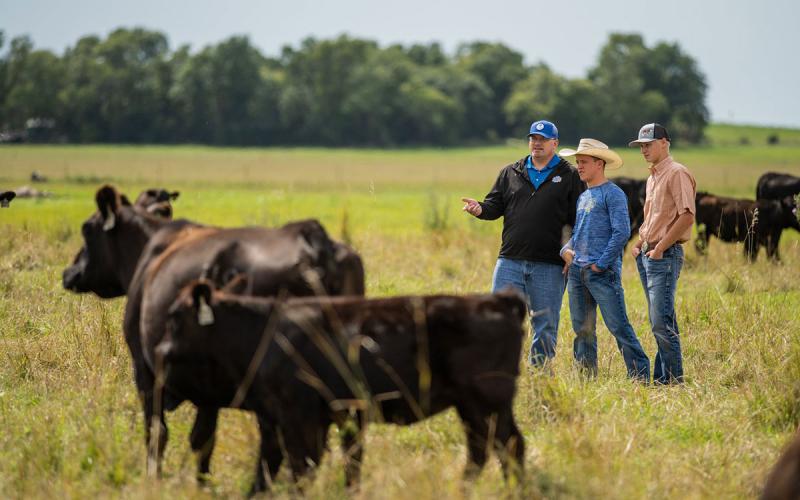
While weather cannot be controlled, producers can take steps to reduce heat stress impacts:
- Ensure abundant clean water access.
- Provide shade when practical.
- Avoid excessive cattle handling during peak heat, especially around the time of insemination.
- Maintain adequate nutrition and body condition.
- Monitor breeding performance closely. Look at the data as soon as possible to make your additional strategies or culling decisions.
Looking Ahead
While nothing can be done to change the impact of this summer's heat wave, producers can use the information gained this fall to make informed management decisions moving forward. Pregnancy diagnosis will be an important tool for evaluating the extent of heat-stress-related reproductive losses within individual herds. Identifying open females early allows producers to make timely culling, feeding, and marketing decisions before winter feed resources are committed.
Because heat stress may have reduced fertility in both cows and bulls, producers should be prepared for a higher percentage of open females than expected. While this can be frustrating, it may also present an opportunity to increase selection pressure within the herd. Retaining only females that successfully conceived can help improve overall reproductive efficiency and concentrate resources on the most productive cows.
In addition, producers should strongly consider scheduling breeding soundness examinations (BSEs) before next year's breeding season, especially for older bulls or bulls that were exposed to prolonged periods of heat stress. Heat-related damage to sperm production can have lasting effects, and a BSE is the most effective way to identify subfertile bulls before turnout. Taking this step can help avoid costly reproductive losses and improve confidence in herd fertility heading into the next breeding season.
Take-Home Message
Heat stress may be temporary, but its effects on reproduction can persist for months. Understanding those impacts helps producers evaluate breeding outcomes and prepare for future weather challenges.