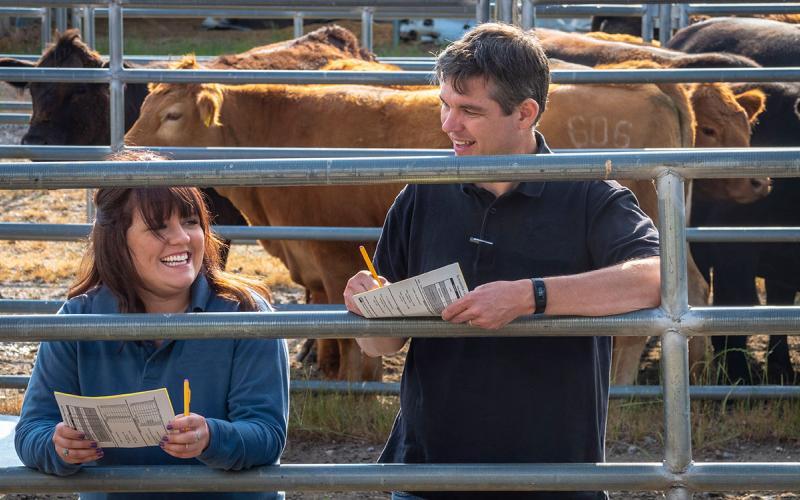
The period following weaning is one of the most challenging times in a calf’s life. Calves must adjust to separation from their dams while learning to navigate new feedstuffs, water systems, handling routines, and sometimes even new pen mates. These changes can increase stress levels and leave calves more susceptible to illness. Although nutrition and animal health programs are essential components of a successful post-weaning transition, the way calves are handled during this transition is equally important. Thoughtful, low-stress management strategies can enhance calf health, encourage improved performance, and help reduce costly setbacks.
Why Does the Post-Weaning Period Matter?
Although producers who receive calves from outside sources cannot always control how calves were weaned or handled prior to arriving at their operation, they can control how calves are received and managed following arrival. For many calves, weaning, transportation, commingling, and processing occur within a relatively short period of time. When these stressors occur simultaneously, calves may experience reduced feed intake, suppressed immune function, and decreased performance.
Excessive stress can also increase calves’ susceptibility to health challenges, particularly bovine respiratory disease (BRD). For this reason, calf management during the first few weeks following arrival can have lasting impacts on calf health, growth, and overall performance. By minimizing stress and providing a consistent environment, producers can help calves adapt more successfully to their surroundings and improve the likelihood of a successful transition. Understanding how cattle respond to their environment and applying low-stress handling principles can help producers reduce unnecessary stress during this critical period.
Low-Stress Handling During Arrival and Processing

Low-stress cattle handling begins with an understanding of how cattle naturally respond to pressure and their surroundings. According to Beef Quality Assurance (BQA) principles, handlers should work with cattle behavior instead of against it. Calm, deliberate cattle handling can help reduce stress, improve animal well-being, and create a safer environment for both cattle and handlers.
When receiving and processing calves, producers should consider the following low-stress handling practices:
- Understand and utilize cattle flight zones and points of balance to encourage cattle movement
- Move calves quietly and at their natural pace rather than forcing them to run
- Avoid excessive noise, yelling, or sudden movements that may increase stress
- Apply pressure only when necessary and release pressure once cattle respond appropriately
- Avoid overcrowding pens, alleys, and working facilities
- Limit the amount of time calves spend in handling facilities
- Maintain consistent handling routines and handler behavior
- Ensure facilities are designed and maintained to promote smooth cattle flow and minimize distractions
- Minimize use of handling tools
Handlers should also remember that newly received calves may be unfamiliar with handling facilities and human interaction. Allowing calves time to settle and process their surroundings can help reduce agitation and improve cattle movement through facilities. Utilizing BQA-recommended handling practices can help calves experience a smoother transition while reducing the negative impacts of stress on health and performance. Although handling practices play an important role during processing, helping calves adapt to their new environment after processing is equally important for reducing stress and supporting long-term performance.
Benefits of Low-Stress Handling and Management

Low-stress handling and management of calves rewards producers in many ways surrounding calf health, feed intake, and performance. Calves that experience less stress are often better able to adapt to their new environment, maintain feed and water intake, and cope with the challenges associated with weaning and the possible subsequent transition to a new operation. As a result, producers may observe improvements in calf health and performance.
Benefits of low-stress handling and management can include:
- Reduced disease risk, particularly bovine respiratory disease (BRD)
- Improved feed and water intake following arrival
- Easier identification of sick or underperforming animals
- Improved average daily gain and overall performance
- Reduced treatment costs and labor associated with managing sick calves
While low-stress handling is often discussed from an animal welfare perspective, it is also a valuable management tool. By reducing unnecessary stress and providing consistency during the post-weaning period, producers can help calves transition more successfully to their new environment while supporting long-term health and performance.
Conclusion
While producers cannot eliminate every stressor associated with the period following weaning, they can have a significant influence on how calves respond to the transition. Ensuring that calves arrive with low-stress handling practices in a consistent post-weaning environment will help support calf health, improve performance, and increase the success of the post-weaning transition, which will in turn benefit the profitability and success of the operation.
References
- Beef Quality Assurance National Manual, Cattlemen’s Beef Board and National Cattlemen’s Beef Association.