Content by Robin Buterbaugh
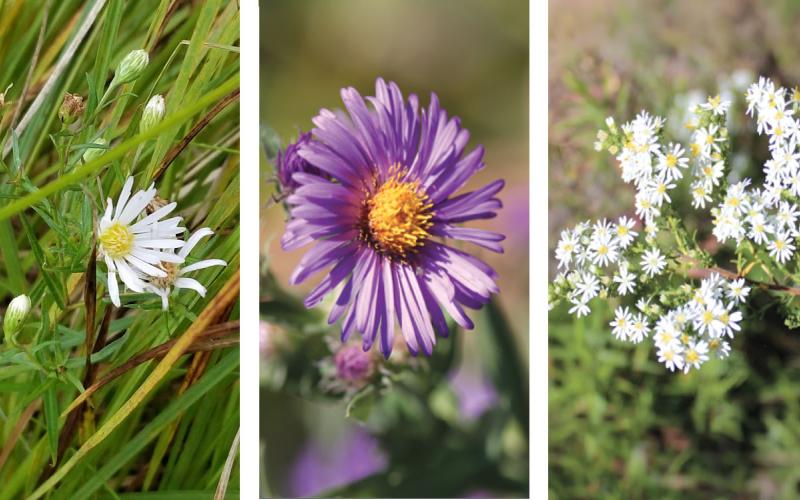
Asters of South Dakota
Once considered roadside weeds, native asters make a fine addition to gardens and prairies. With thoughtful selection, gardeners can have asters blooming from late summer through late fall, providing essential forage for pollinators.
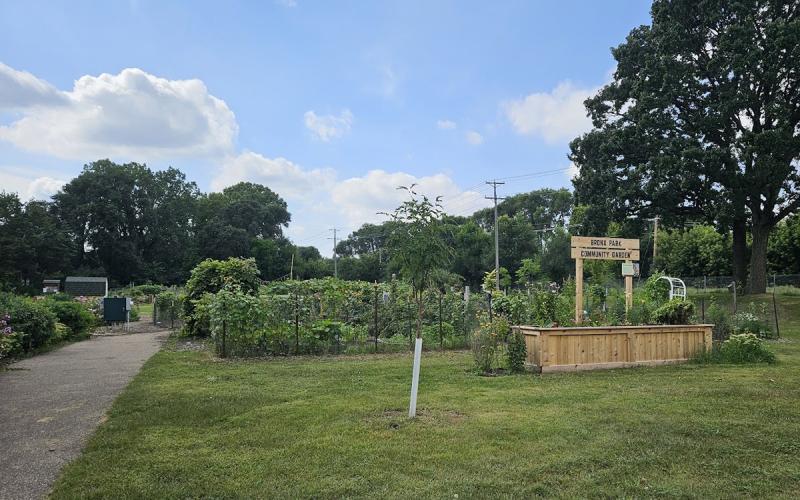
Starting a Community Garden
Community gardens or farms can support the overall well-being of the people in your region. Starting or participating in a community garden can be a great opportunity to learn new skills, grow food, and cultivate community!
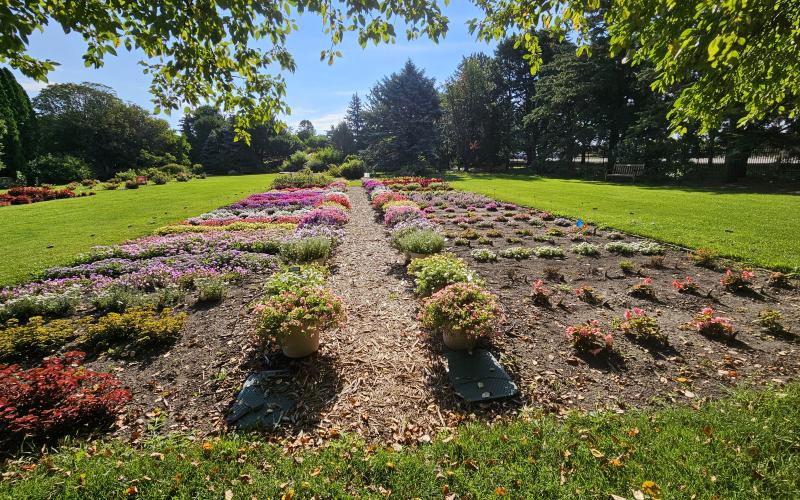
Garden Hour
SDSU Extension's Garden Hour will return as a limited series during the fall and winter months, occurring every other month.
Garden Hour
SDSU Extension's Garden Hour will return as a limited series during the fall and winter months, occurring every other month.
Garden Hour
SDSU Extension's Garden Hour will return as a limited series during the fall and winter months, occurring every other month.

SDSU Extension experts win national agricultural association awards
July 30, 2026
South Dakota State University Extension experts were recognized nationally for their excellence in outreach and Extension programming.
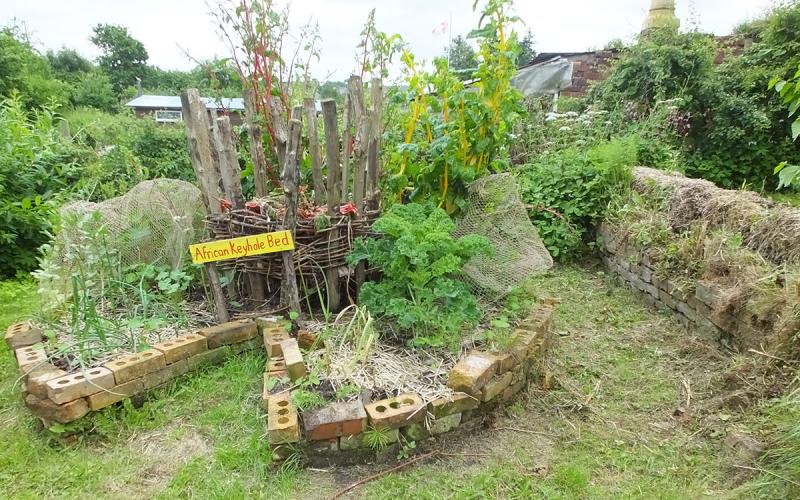
Edible Landscaping and Food Forests
Design a food forest in your backyard with this design guide.

Frost and Freeze Impacts on Plants
Farmers and gardeners often use the terms frost and freeze interchangeably, but the two are not the same. Understanding these differences, along with the ways frost and freeze impact spring planting, can help protect farms and gardens.
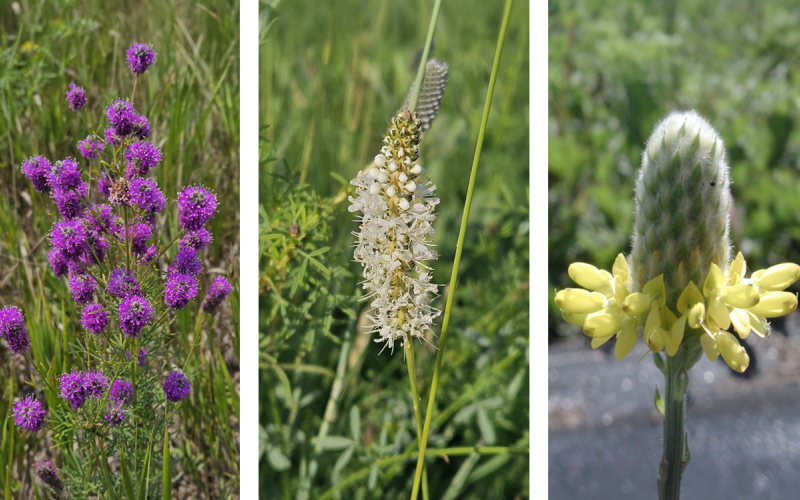
Prairie Clovers of South Dakota
Many of us are familiar with the white clover growing in our lawns or the yellow sweet clover growing in rangelands, but did you know that South Dakota has several native prairie clovers that are beneficial for pollinators, birds, and wildlife?
Square-Foot Garden Sample Planting Layout
Learn how to maximize produce production and space using a square-foot layout design.