BROOKINGS, S.D. – South Dakota State University Extension has published new research on native plants that can support birds in the state and region.
“Native Plants for Bird Habitat in South Dakota” provides an overview of habitat types in South Dakota, important native plants in those habitats that can support birds, and general recommendations for improving bird habitat.
“Many people are interested in bird watching, but to have abundant backyard birds, waterfowl and other species, we have to have appropriate habitat to support them, either by providing food, nesting materials or shelter,” said Robin Buterbaugh, SDSU Extension Horticulture Field Specialist.
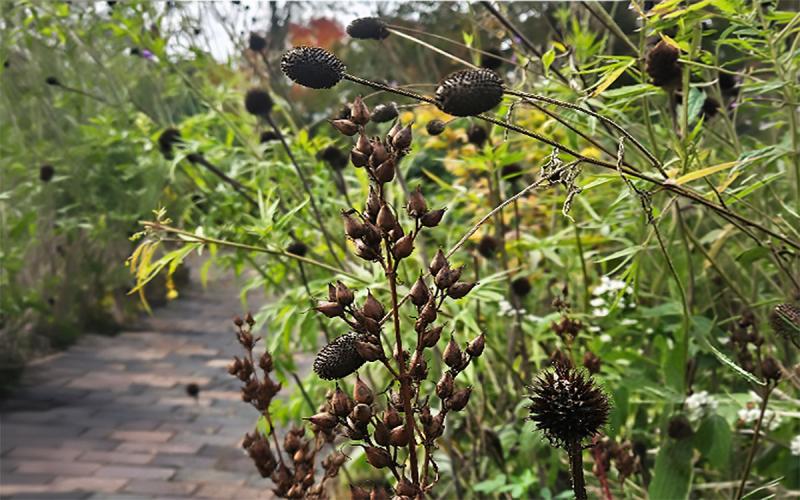
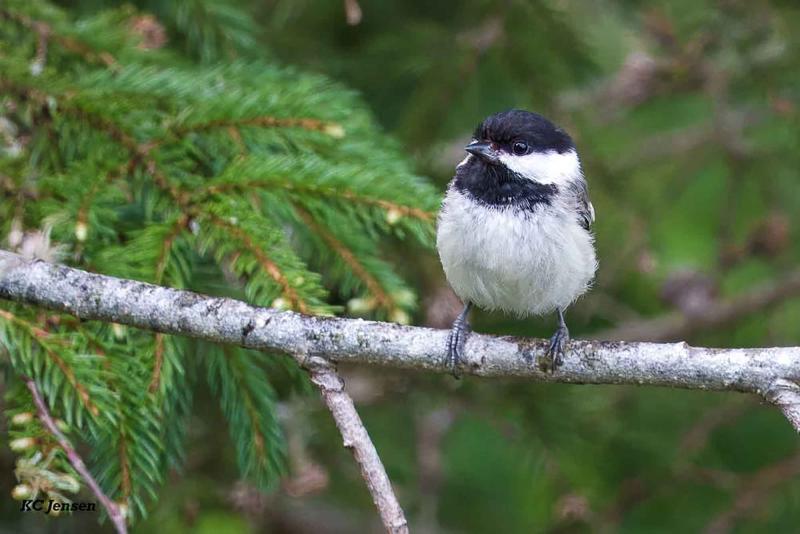
Adding native plants to personal yards directly supports bird populations by providing nectar, seeds, nesting material and ground cover. Native plants also support bird populations indirectly by boosting native insect populations, which birds then eat. A black-capped chickadee, for example, will feed its chicks 350-570 caterpillars per day.
The fact sheet provides an overview of habitats in South Dakota, including grasslands. The research notes that grassland birds have declined noticeably over the past 60 years, with widespread habitat loss considered a key factor. There are a mix of native prairie grasses – tallgrass, mixedgrass and shortgrass – along with flowers, trees and shrubs that can support bird populations.
“Although large-scale conservation efforts are essential, adding bird habitat to your yard can be a great way to make a positive impact on birds in our region, and native plants are an important component of that habitat,” the fact sheet notes.
There are also sections for woodland plants and birds, wetlands and urban/residential areas, along with steps to create bird-friendly landscapes and plants to attract hummingbirds.
For more information, contact Robin Buterbaugh, SDSU Extension Horticulture Field Specialist; or Lora Perkins, professor and SDSU Extension Native Plant Specialist.
To learn more about the SDSU Native Plant Initiative, visit the SDSU Native Plant Initiative page.