Content by Madalyn Shires
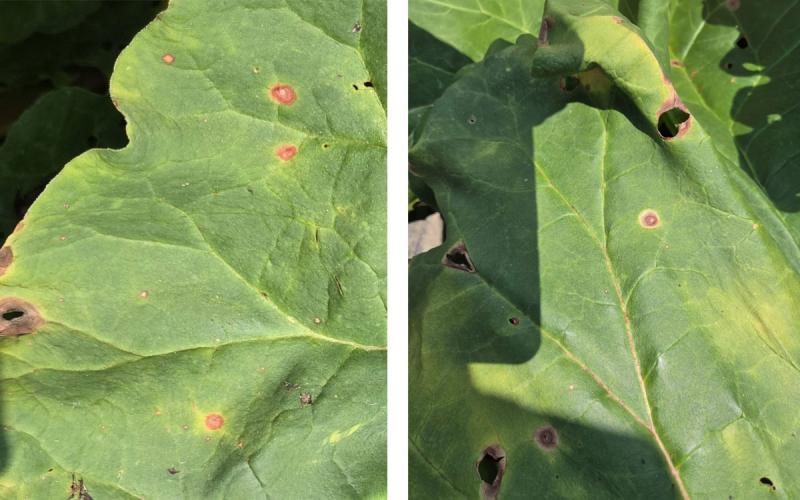
Leaf Spot Diseases of Rhubarb in South Dakota
In South Dakota, rhubarb is generally hardy, but it can develop several diseases that, when left unmanaged, cause severe damage and decline of plants. Leaf spots caused by the fungi Ascochyta rhei and Ramularia rhei are the most-common diseases we observe.
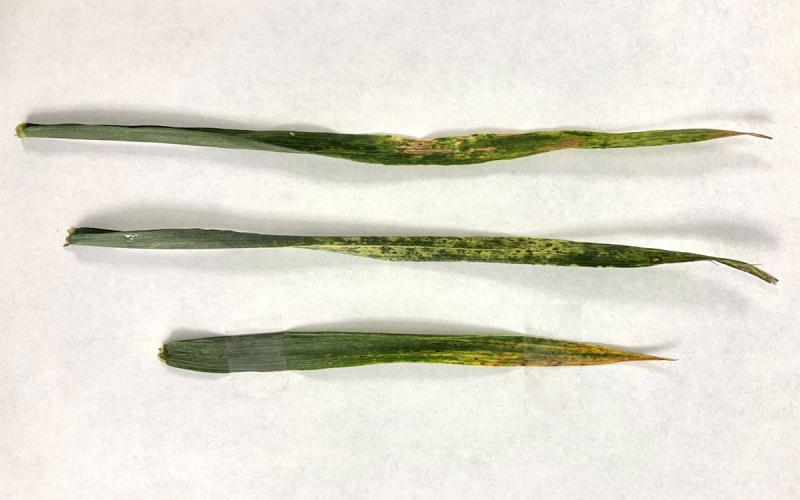
Secondary Wheat Diseases: Alternaria Species Detected
In wheat observed this summer, the Alternaria species, a group of secondary fungal pathogens were identified in samples collected east of the Missouri river. This pathogen is infectious on its own and can cause Alternaria leaf spot disease.
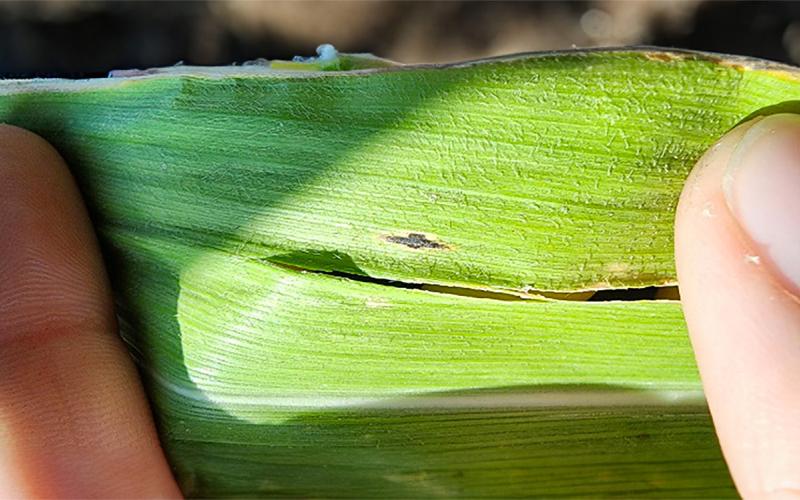
Online Reporting of Crop Diseases for Statewide Monitoring Efforts: How You Can Get Involved
Did you know that you can become involved in disease reporting and monitoring across the state? Thanks to a new tool from the Crop Protection Network, producers, crop consultants, and homeowners can report disease sightings on a variety of crops across the state.
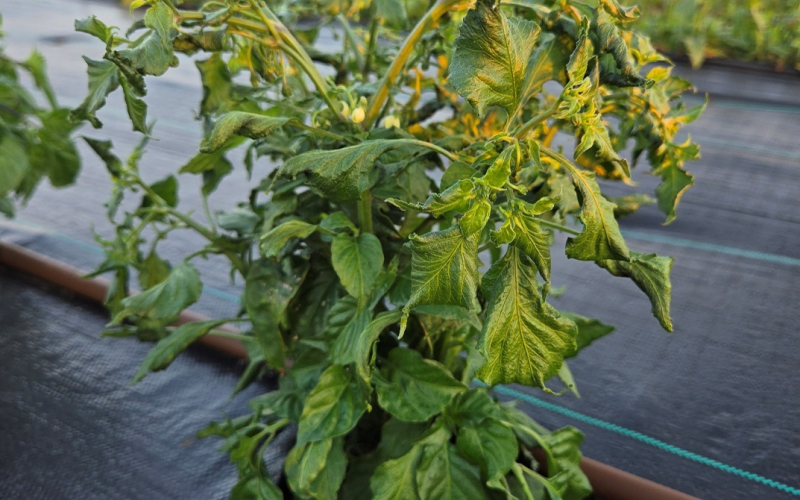
Handling Herbicide Injury in Specialty Crops
Learn how to handle specialty crops that have inadvertently been affected by herbicides.
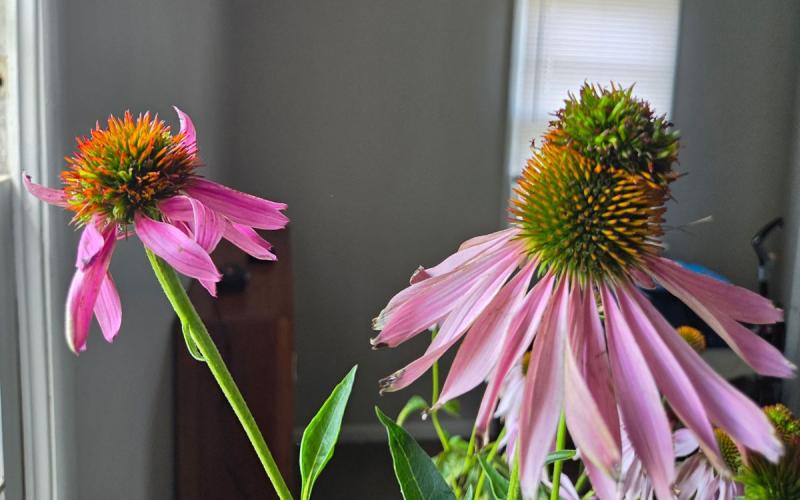
Aster Yellows - Plant Pest on the Plains: How you can get involved in this important research
Aster yellows phytoplasma, best known as Aster Yellows disease or Onion Yellows disease, is commonly observed in purple coneflowers across the Great Plains. SDSU Extension is monitoring and modeling its distribution in the region, and you can help!
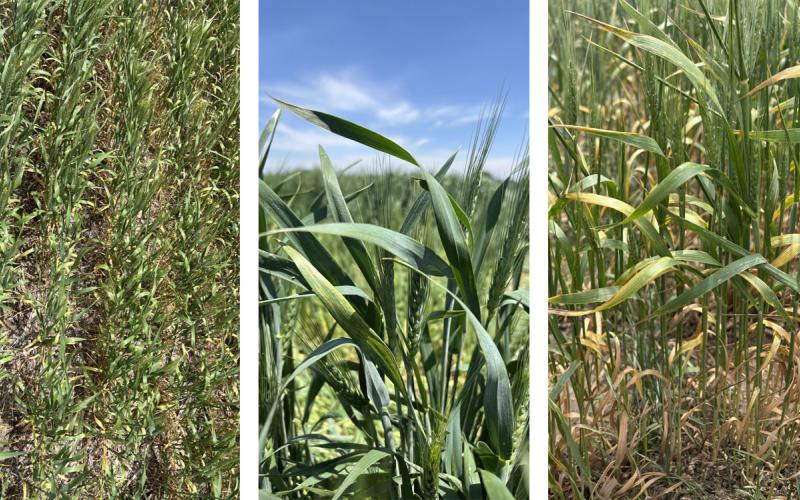
South Dakota Wheat Streak Mosaic Virus Disease: 2026 Update
Wheat streak mosaic virus is on the move across South Dakota wheat fields. Due to the mild winter and overwintering in winter wheat, viral activity has had a jump start in 2026, and the occurrence and intensity of disease pressure is comparable to the 2025 season.
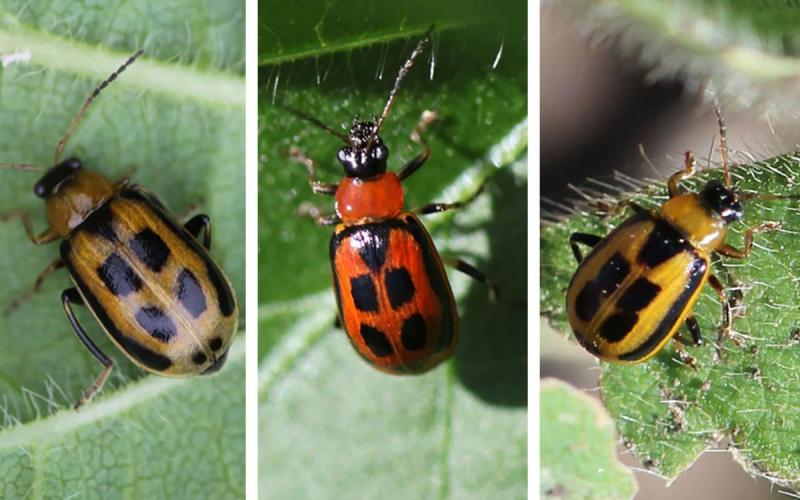
Bean Leaf Beetles, a Vector of Bean Pod Mottle Virus, May Be Active in Soybean
Although we are predicting low overwintering survival of bean leaf beetles this year in South Dakota, scouting for this pest should still be conducted, as every year we still observe populations in soybean.

Tools Available for Fusarium Head Blight Prediction
Fusarium Head Blight (FHB), commonly known as scab, is a major disease threat for wheat each year during the flowering growth stage. To support growers in making informed fungicide decisions, forecasting tools are available that use weather data to estimate the likelihood of scab development.
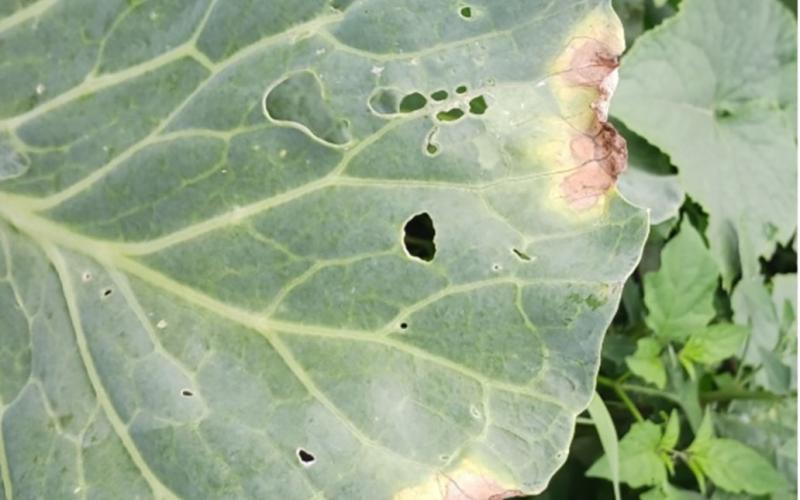
Black Rot of Brassica Crops
Overview and management of Black Rot for Brassica Crops.
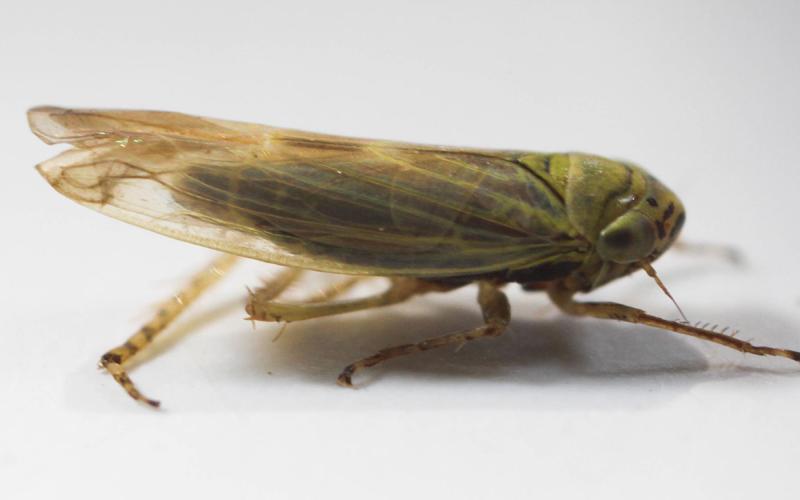
Aster Leafhoppers Detected in South Dakota Wheat
Aster leafhoppers are present in wheat again this spring. For the last few years, aster leafhoppers have been a common occurrence in South Dakota wheat.