Content by Patrick Wagner
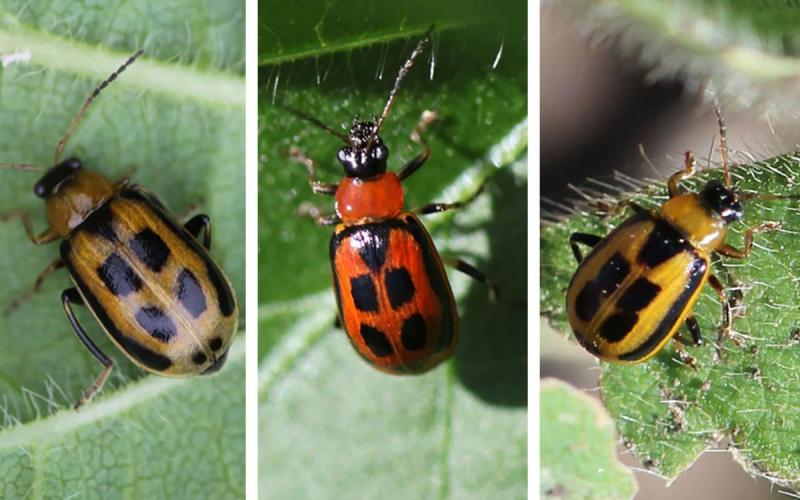
Bean Leaf Beetles Showing Up in Soybean
Despite the prediction of low overwintering survival we have observed bean leaf beetles in soybean this week. See our latest observations and management recommendations.

Update on Chlorpyrifos Use in South Dakota
As of June 30, 2025, the labeled uses for chlorpyrifos products for food and feed are limited to alfalfa, soybean, and wheat in South Dakota. Chlorpyrifos can no longer be used to treat sunflowers.
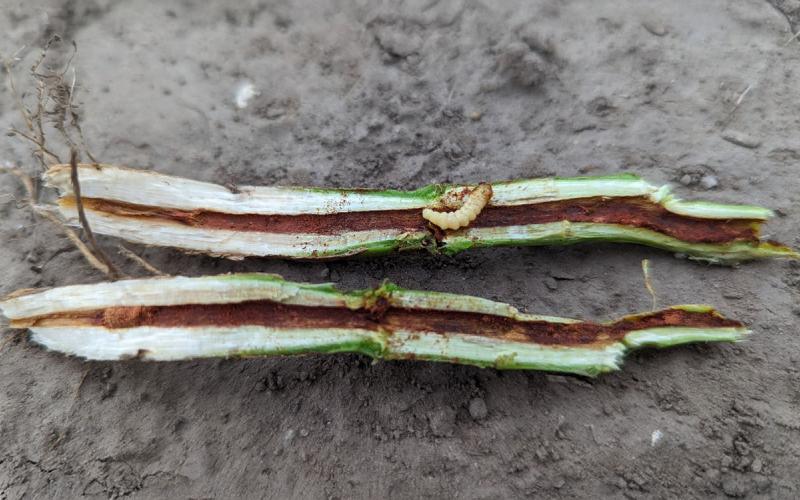
Dectes Stem Borer Adults Detected in South Dakota Soybean
Dectes stem borer adults have been collected from soybean in Southeastern South Dakota this week. As a reminder, the larvae of insect pest are capable of reducing soybean yields from 0-17% due to its feeding activity inside of the main stem.
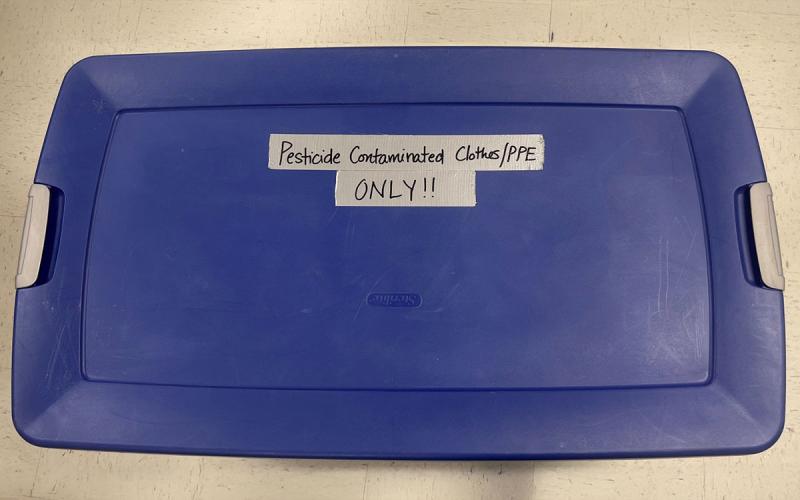
How to Properly Launder Pesticide Contaminated Clothing
Many types of personal protective equipment are intended for single use only and should be discarded after use, but how do you wash reusable equipment and clothing contaminated with pesticide residue?
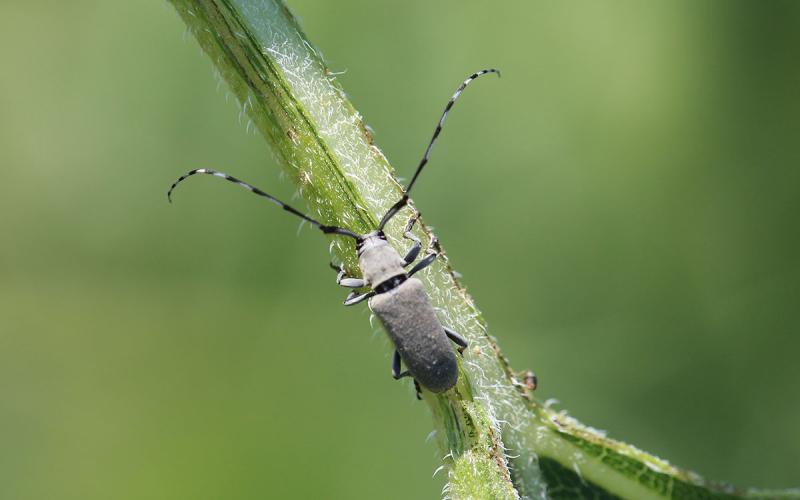
Dectes Stem Borer in South Dakota Soybeans
Fact sheet on Dectes stem borer in South Dakota soybeans
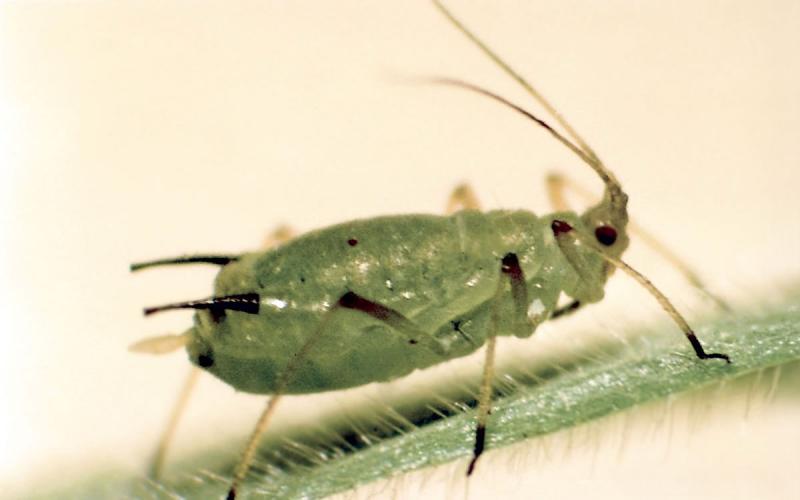
Aphid Populations Continue To Increase in Wheat
English grain aphid populations are continuing to increase in wheat. With increasing pressure, it is important to scout wheat fields to ensure that the populations do not cause yield loss.
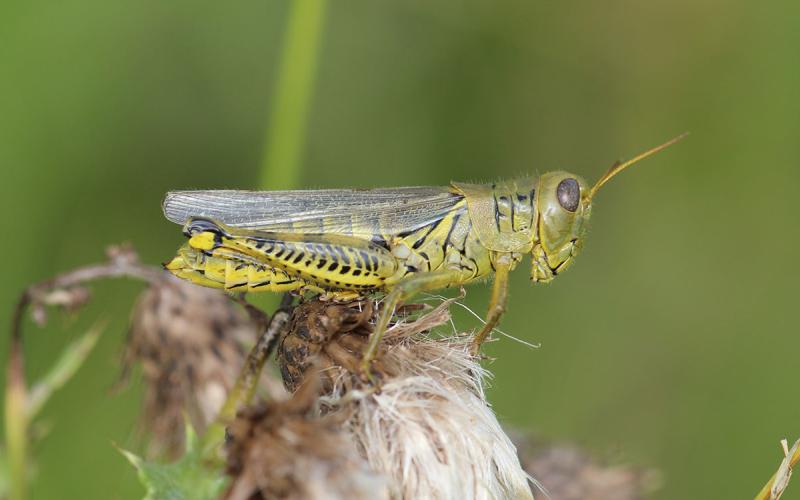
Survey of Grasshoppers in South Dakota
Fact sheet on the abundance and species diversity of grasshoppers in South Dakota
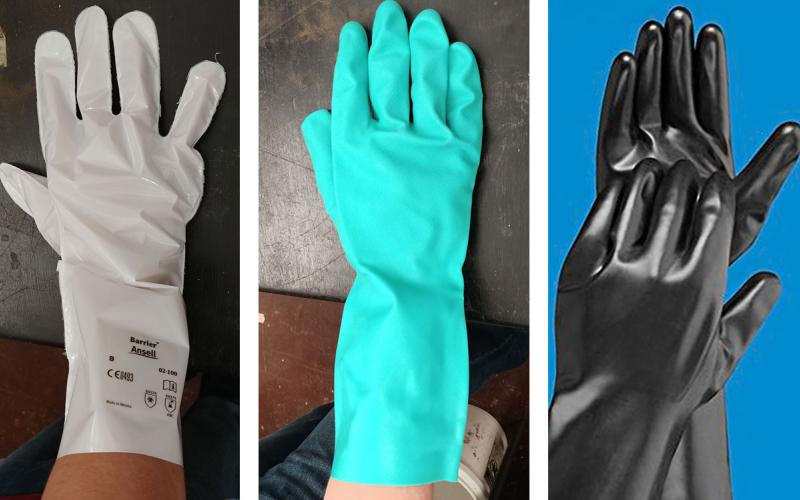
Pesticide Personal Protective Equipment: Glove Selection
Safety gloves are one of the most-important pieces of pesticide personal protective equipment. Glove material is very important, as not all materials provide the same protection for different pesticide ingredients.
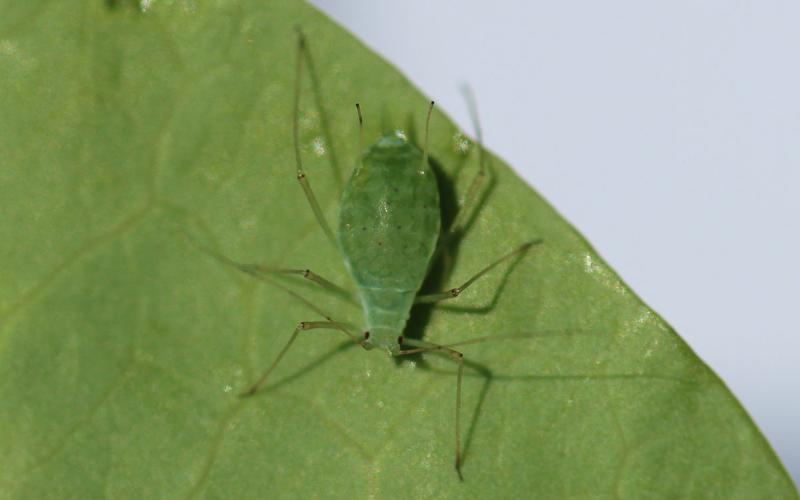
Monitor Alfalfa for Pea Aphid Activity
Pea aphids can cause yield reductions to alfalfa when large populations are present. Prolonged feeding by these populations can even cause the alfalfa fields to take on a “golden” color.
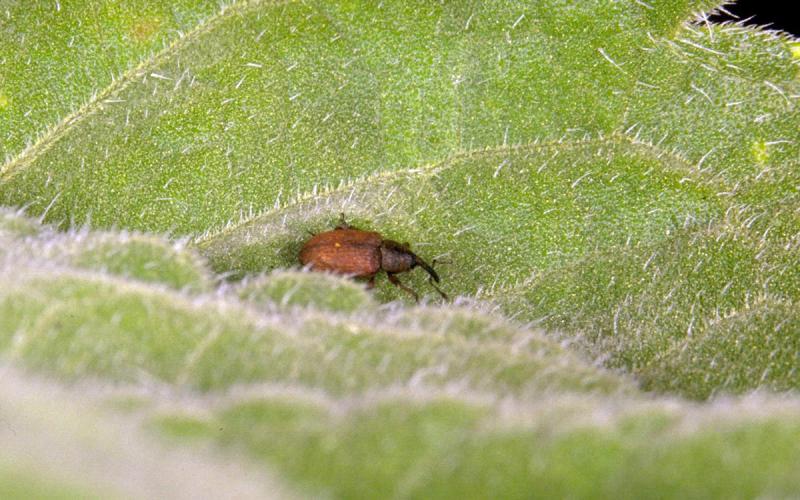
Malathion receives special local needs approval to treat red sunflower seed weevils in South Dakota from July 15 to August 31, 2025
The request was submitted and approved by the Environmental Protection Agency due to the large populations of red sunflower seed weevil present in South Dakota that are resistant to pyrethroid insecticides.