Content by Patrick Wagner
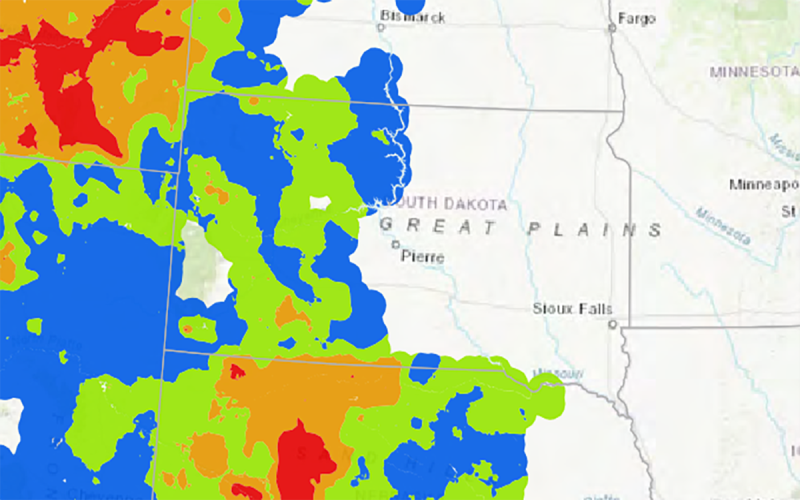
South Dakota Grasshopper Prediction for 2025
In 2025, it is likely that grasshopper populations will once again reach levels capable of causing issues in some areas of the state. Scouting should begin shortly after planting in areas where they were problematic in 2024 and continue throughout the growing season.
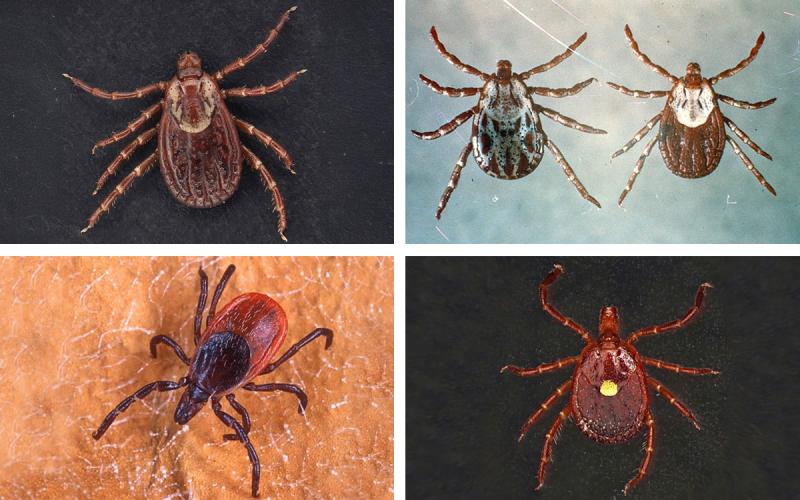
Spring is here, and so are the ticks!
As spring continues to bloom, more arthropods will begin to emerge from winter dormancy. Ticks are among the first to appear, and statewide reports have already been flowing in.
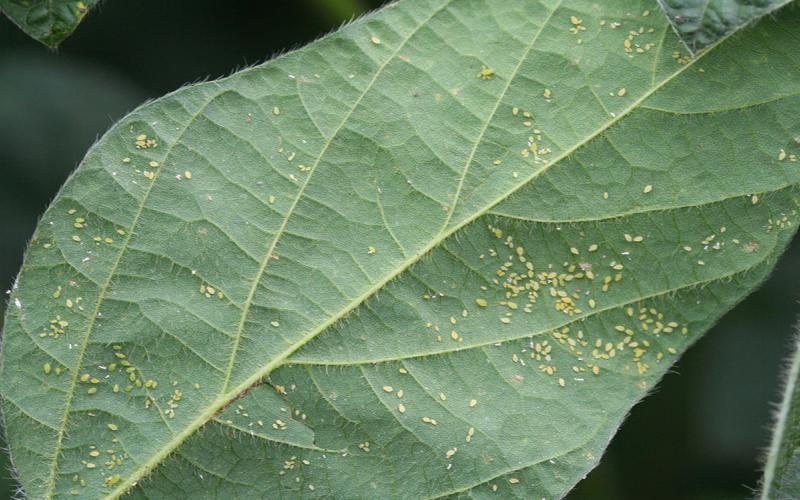
Management Recommendations for Soybean Aphids
In many fields across eastern South Dakota soybean aphid populations have reached economic thresholds, and there have been a lot of questions regarding the best approach to managing the 2024 outbreak.
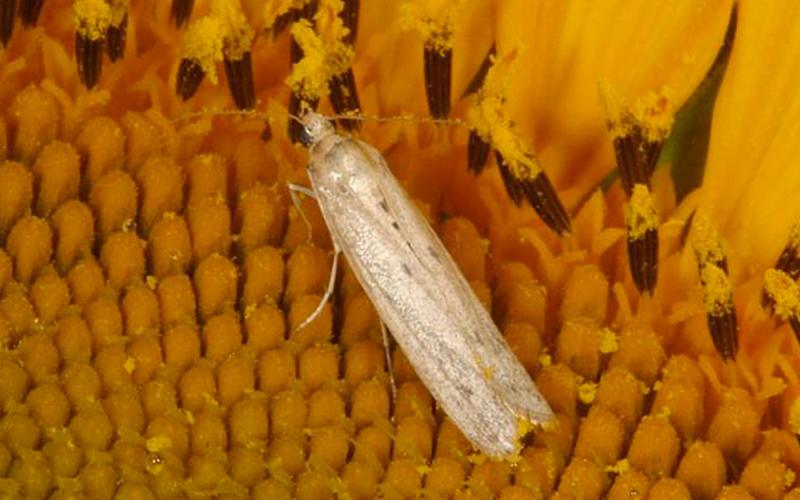
Sunflower Moths Observed in South Dakota
Sunflower moths have been observed in South Dakota sunflower fields this week. Sunflower heads are most susceptible to damage caused by the sunflower moth caterpillars from the onset of flowering to when the ray petals begin drying.
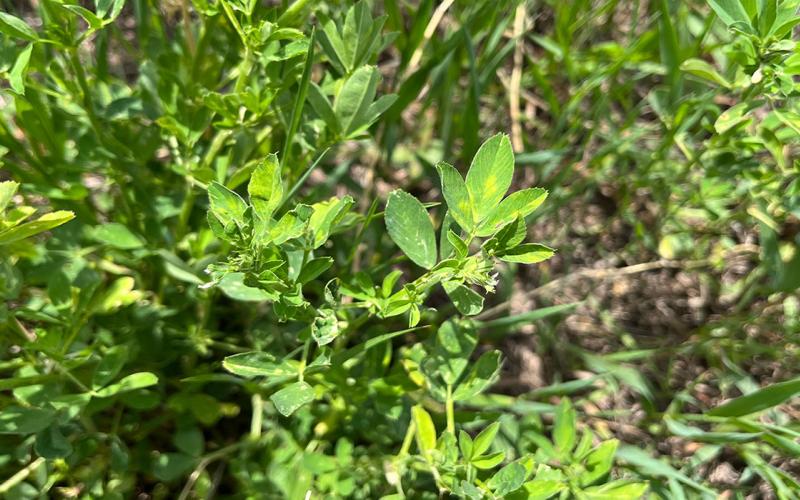
Potato Leafhoppers Becoming Prevalent
Potato leafhoppers are a migratory pest that impact South Dakota alfalfa each year. At this point in the growing season, they have become established and are now causing widespread issues.
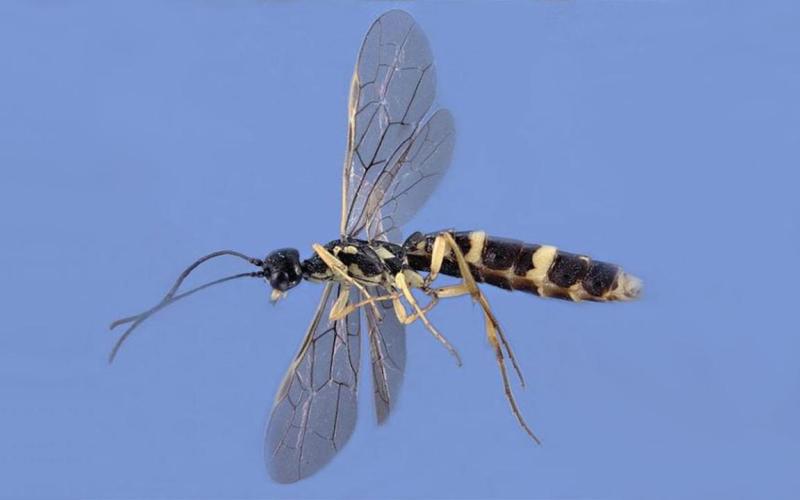
Wheat Stem Sawfly Adults Observed in South Dakota
During the 2024 wheat stem sawfly survey, wheat stem sawfly adults were captured in northwestern South Dakota. Observation is used to determine areas where solid stem wheat varieties should be considered.
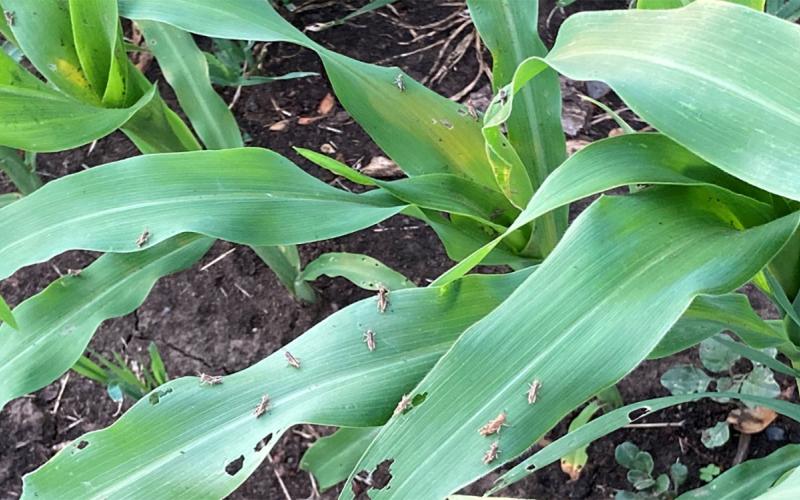
Monitor Crops for Grasshopper Activity
Abundant precipitation throughout much of South Dakota has resulted in less grasshopper observations. However, in areas where grasshoppers were an issue in 2023, they are starting to show up again.
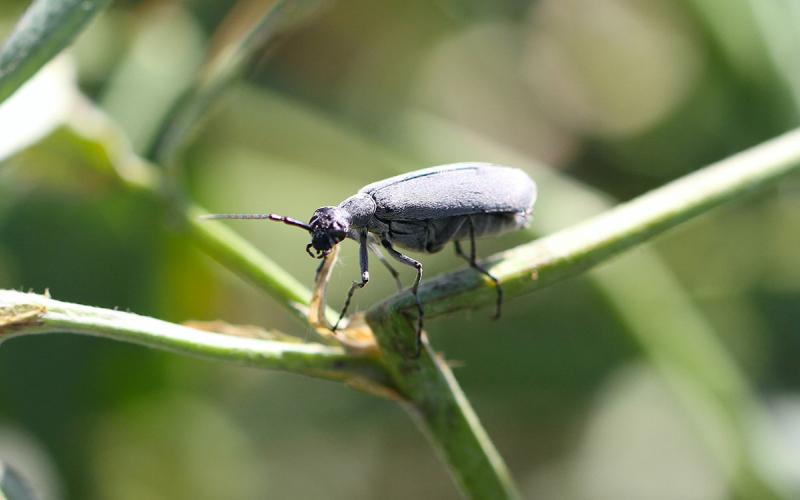
Blister Beetles Are Ramping Up
Within the past week, blister beetles have become a common appearance in South Dakota alfalfa. While we managed to avoid early infestations this year, fields should now be monitored prior to harvest for the remainder of the growing season.
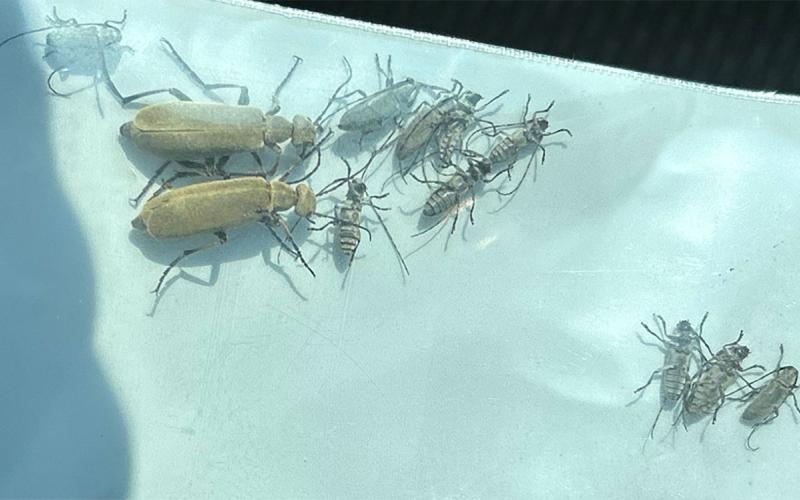
Dectes Stem Borer Adults Are Active in Soybean
SDSU Extension is again surveying soybean in South Dakota for Dectes stem borer adults. After a slow start this growing season, large populations of beetles were observed in soybeans last week.
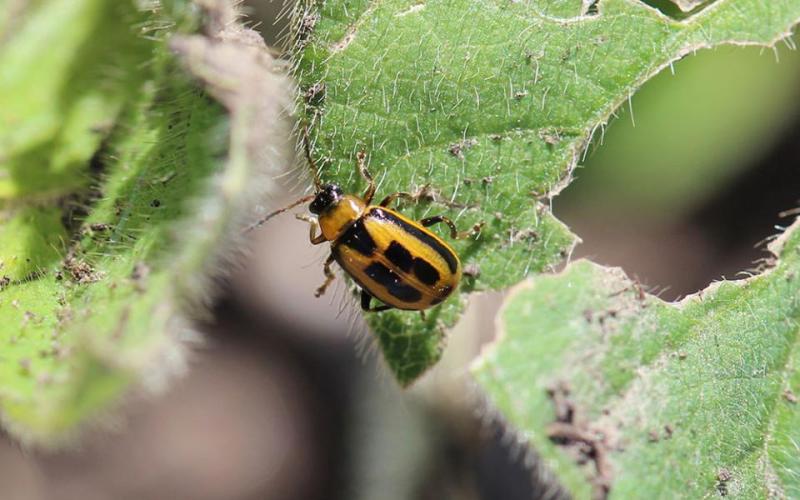
Bean Leaf Beetles Are Active in South Dakota
It’s important to remember early season scouting for bean leaf beetle defoliation. At this time, overwintering bean leaf beetles reach the adult life stage, and they emerge in with an appetite.