Wheat Insects
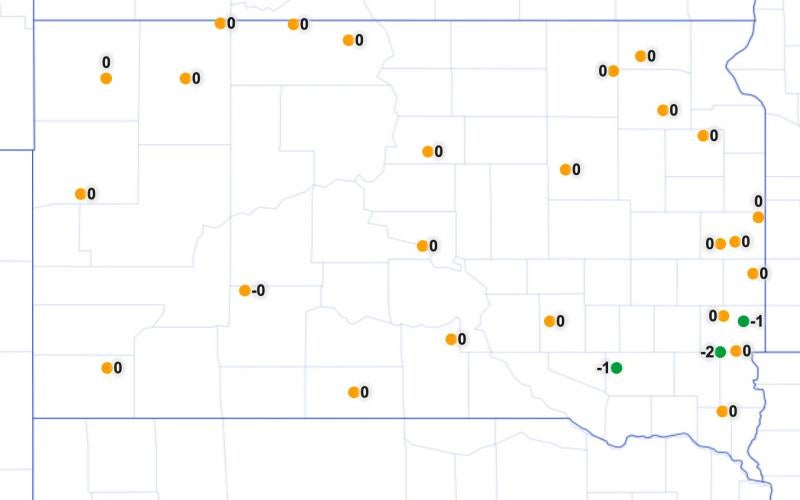
Use the SD Spray Tool for Inversion Detection and Weather for Pesticide Application
The SD Mesonet Spray Tool provides real-time weather data for pesticide applicators. This dedicated website for pesticide applicators uses the SD Mesonet weather data, which is updated every five minutes.

2019 South Dakota Grasshopper Forecast
The USDA Animal Plant Health Inspection Service conducts an annual survey to monitor grasshopper populations in Western South Dakota. In 2018, SDSU conducted a survey to monitor populations in Eastern South Dakota. These previous-year surveys can be used as a prediction tool for where grasshoppers may be an issue during the upcoming season.
Cancellation of Several Neonicotinoids
On May 20, 2019, the United States Environmental Protection Agency announced the cancellation of registrations for 12 products that contain neonicotinoid insecticides. The cancellation of the product registrations was voluntarily requested by the companies that had registered the products.
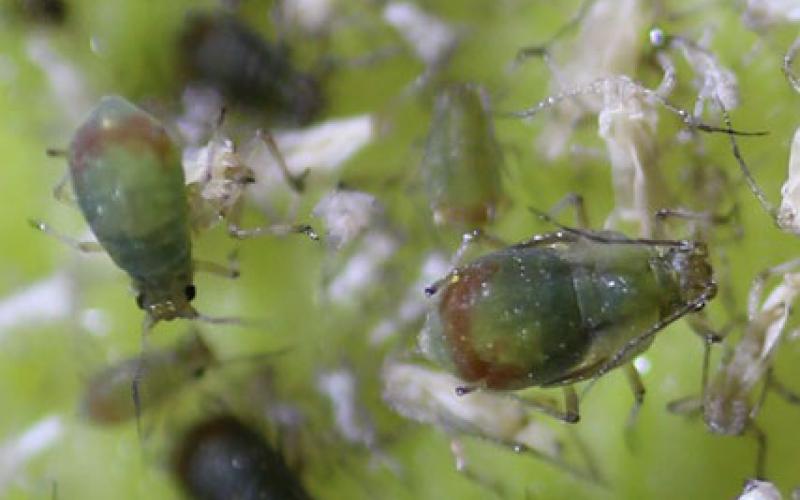
Scouting Winter Wheat for Aphid Pests
Although we cannot predict aphid pressure in winter wheat, there are measures that may be taken to reduce the risk associated with these insects.
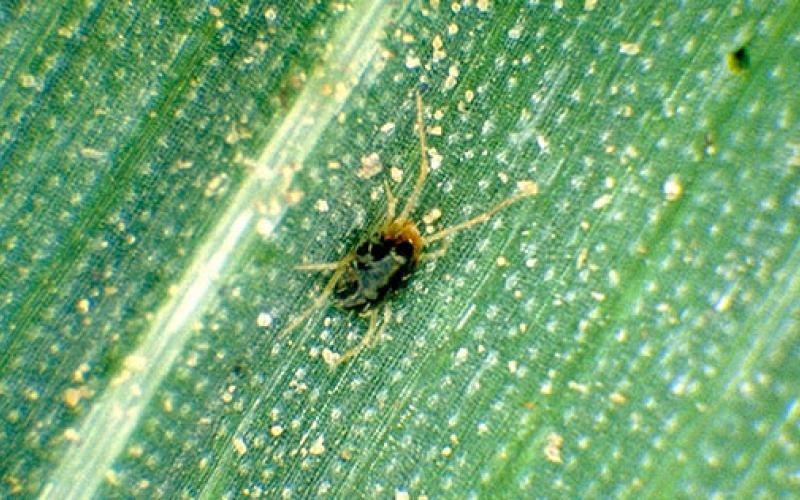
Scouting Winter Wheat for Mite Pests
Winter wheat planting is underway in South Dakota. After wheat emergence, it is important to scout for brown wheat mite and wheat curl mite populations.
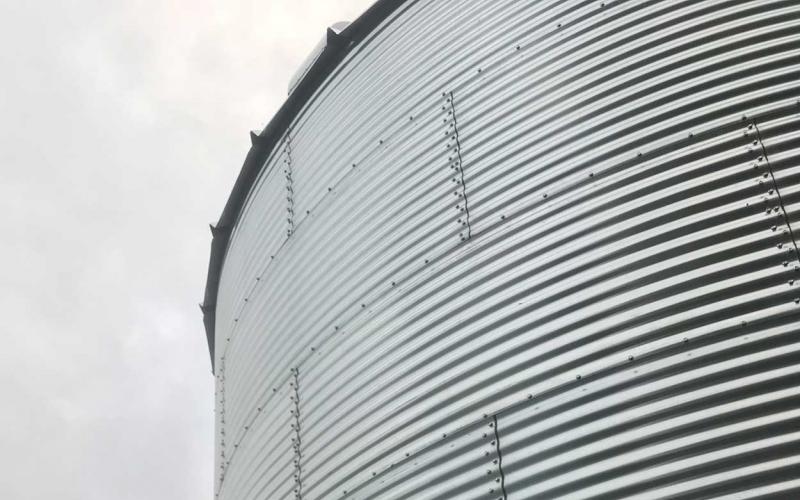
Steps to Prevent Stored Grain Infestations
As wheat harvest is underway it is important to ensure that grain bins are prepared in the best possible manner to prevent insect infestations. There are seven steps that can be taken to help reduce the chances of having infested grain.
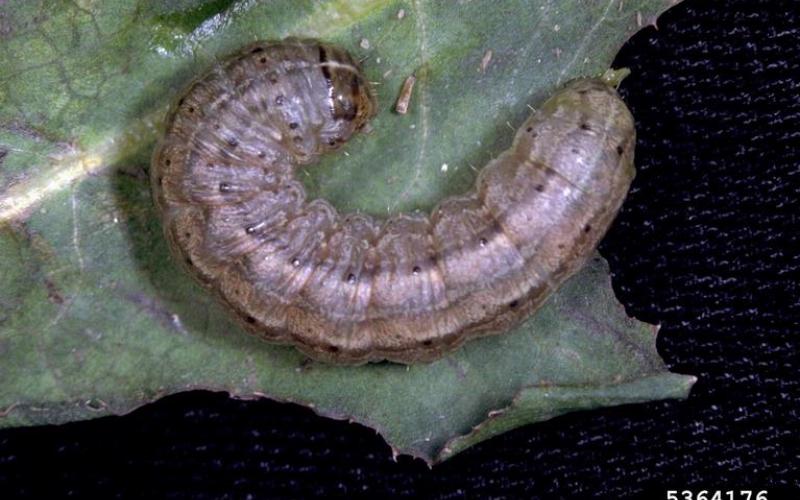
Monitor Alfalfa for Cutworm Activity
During the spring, there are a lot of insects to scout for in alfalfa. One pest group that should be focused on right now are cutworms. There are a couple of cutworm species that are active earlier in the season than others.
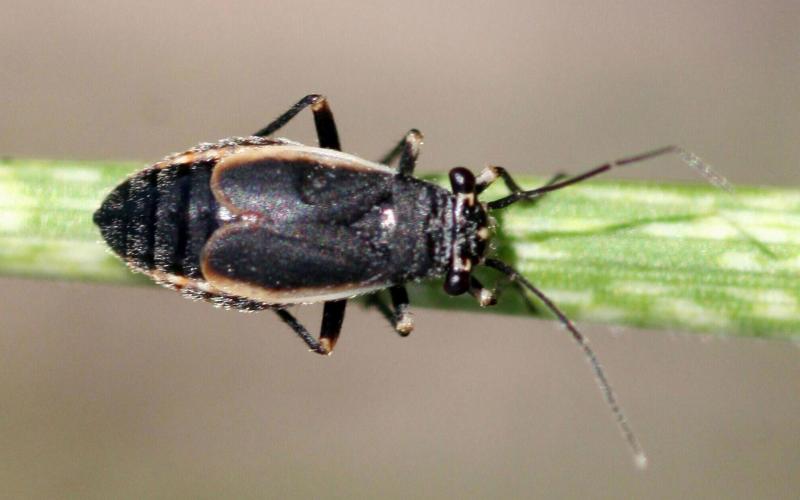
Be on the Lookout for Black Grass Bugs
It’s time to begin scouting pasture and wheat for the presence of black grass bugs. Last year, we saw the highest populations in areas of Central and Southwestern South Dakota. If left untreated, black grass bug populations tend to increase year after year.
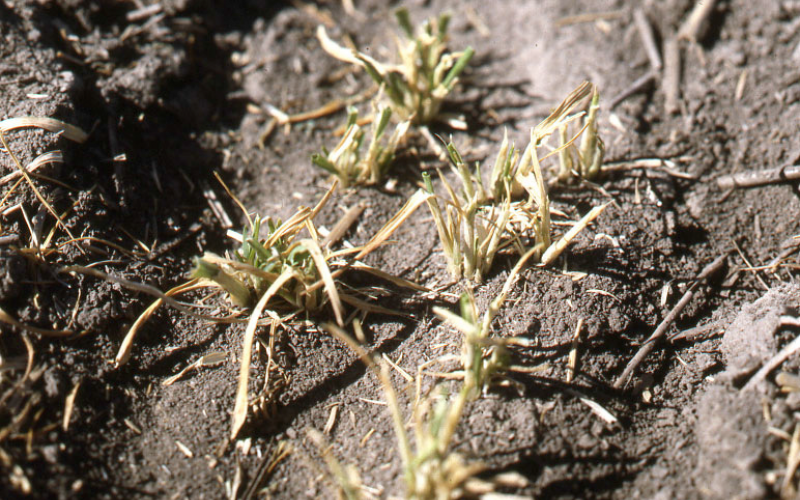
Time to Start Scouting for Cutworms in Winter Wheat
Eventually, South Dakota will warm up. The warmer temperatures will increase insect activity, including pests. For wheat, a couple of early season pests that may already be active are the army cutworm and the pale western cutworm.
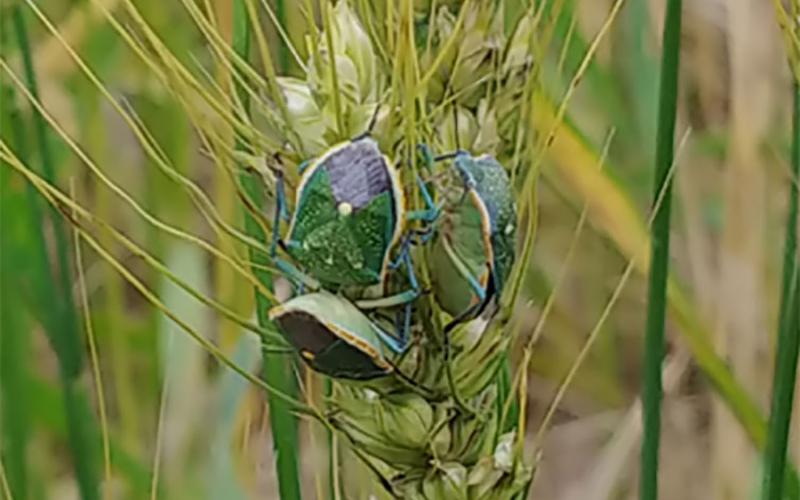
Say’s Stinkbug Present in Western S.D. Wheat: Do I Spray?
While looking at winter wheat at the new SDSU West River Research Farm near Sturgis, we came across some very large stinkbug populations in a few areas of the field. The stinkbugs we observed were the Say’s stinkbugs. Although stinkbugs have the potential to reduce wheat yields, this is attributed with feeding that occurs between the late boot and milk stage.