Wheat Insects
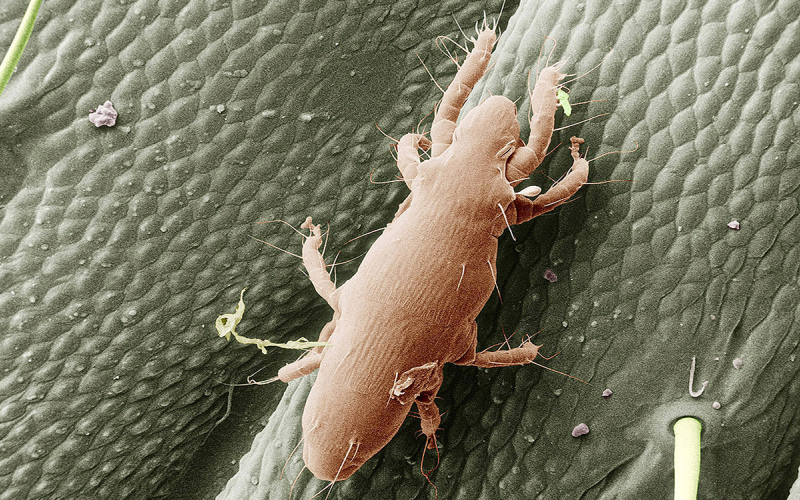
Straw Itch Mites
Straw itch mites, also known as hay mites or grain mites, can be a major problem when present in hay or grain. The best way to avoid a straw itch mite infestation is to keep commodities at low moisture levels and bale straw when it is thoroughly dry.
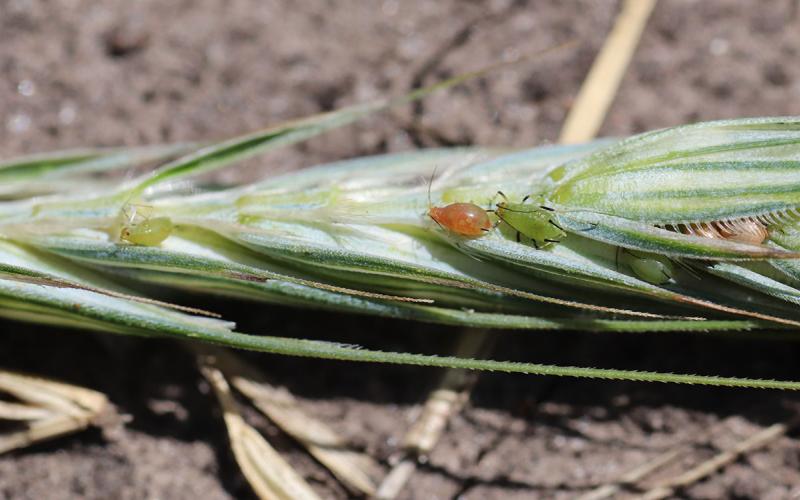
English Grain Aphids Observed in Wheat
Reports of aphid populations in wheat fields have been slowly increasing in the past week. Most of these populations are well below the economic threshold, but there is a potential for them to increase.
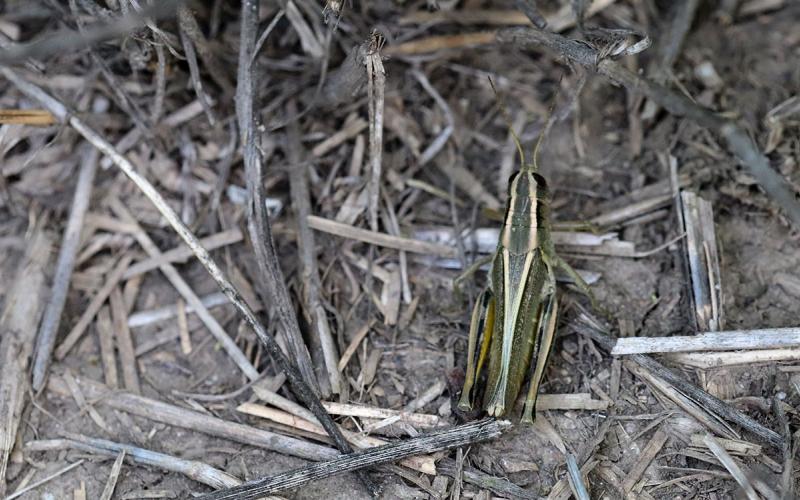
Grasshoppers Are Causing Concerns in South Dakota Crops
In 2020, grasshopper populations were an issue in parts of central and western South Dakota. The populations this year are moving into crops earlier and appear to be as bad as the ones observed last year.
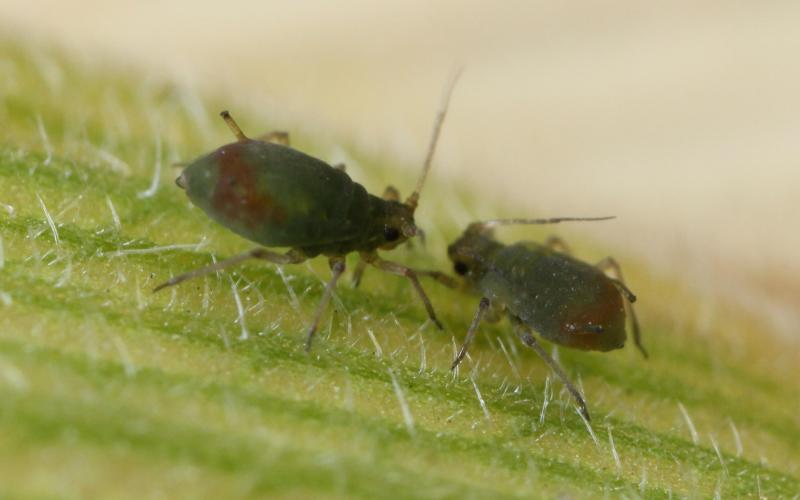
Small Aphid Populations Observed in Wheat
This week we received the first report of aphids in wheat for the 2021 season. The populations won’t be increasing rapidly until the daily temperatures warm up, but it is still a good idea to scout fields and determine if aphids are present.
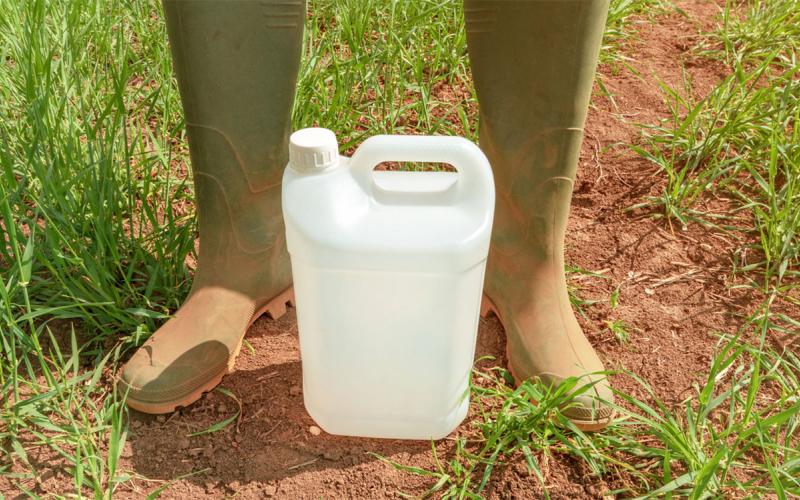
A Ban or New Rules for Chlorpyifos May Be Coming Soon
Recently, a federal appeals court gave the U.S. Environmental Protection Agency a 60-day deadline to either ban insecticides containing chlorpyrifos or set new guidelines for its use.

Check Your Bins This Spring
As it warms up this spring, don’t forget to check the bins. Grain bins work as solar heat collectors, and the grain inside of them may be much warmer than expected.
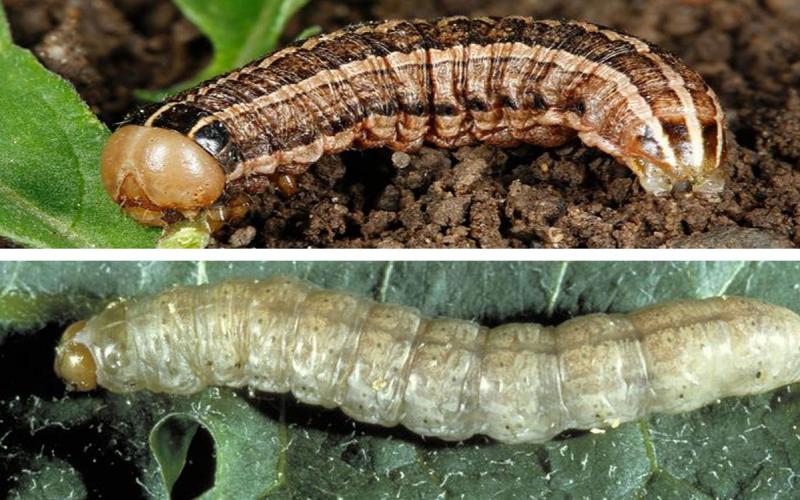
Monitor Wheat for Early-Season Cutworm Activity
It's finally warming up in South Dakota, and insect activity in wheat fields will be increasing. For wheat, a couple of early-season pests that may already be active are the army cutworm and the pale western cutworm.
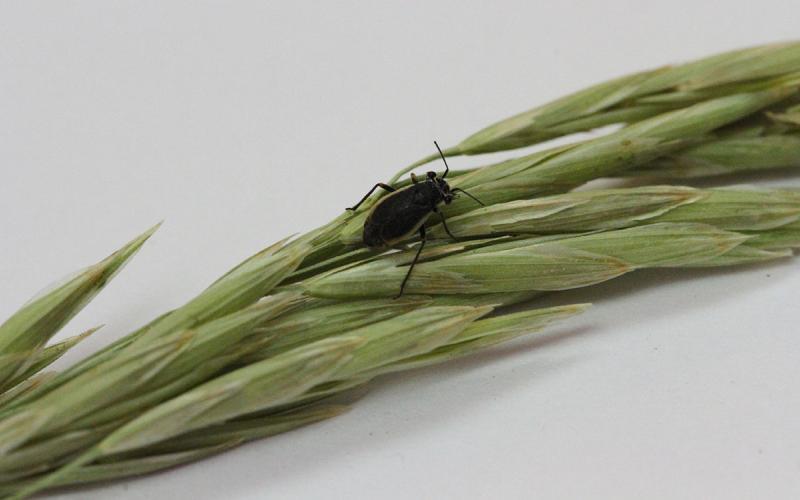
Drought Conditions Magnifying Impact of Black Grass Bugs
With much of South Dakota continuing to experience moderate-to-extreme drought conditions, black grass bugs could become a concern in some areas. Large populations of black grass bugs can cause severe damage to pasture.
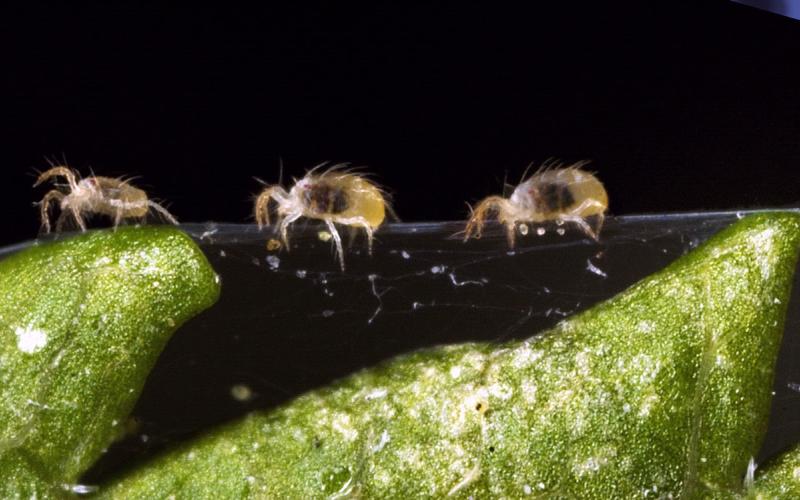
Dry Conditions Could Lead to Early Twospotted Spider Mite Infestations
Although it isn’t an insect, the twospotted spider mite is an occasional pest of crops in South Dakota, and its populations can rapidly increase during dry conditions.

2021 South Dakota Pest Management Guides Now Available
February 04, 2021
SDSU Extension has released the 2021 South Dakota Pest Management Guides.