Wheat Insects
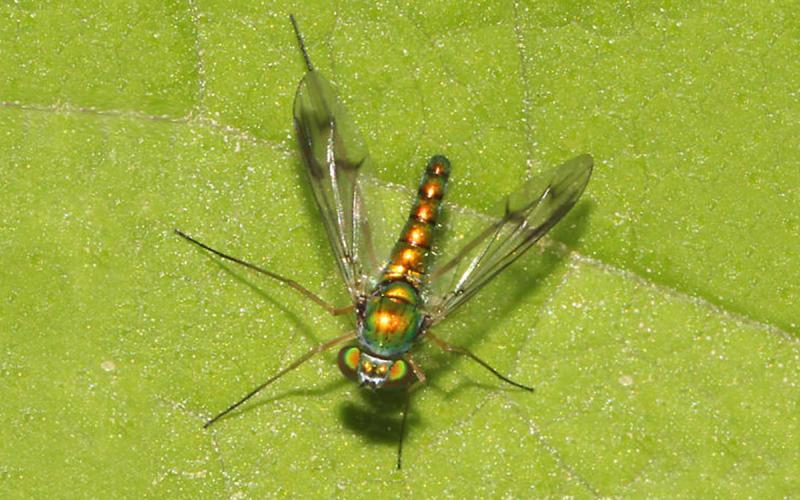
Flying Gems: Long-Legged Flies
Whether scouting for pests in crops or in a garden, chances are you’ve encountered a long-legged fly. These insects provide essential biocontrol of many insect pests and should be encouraged in the landscape.
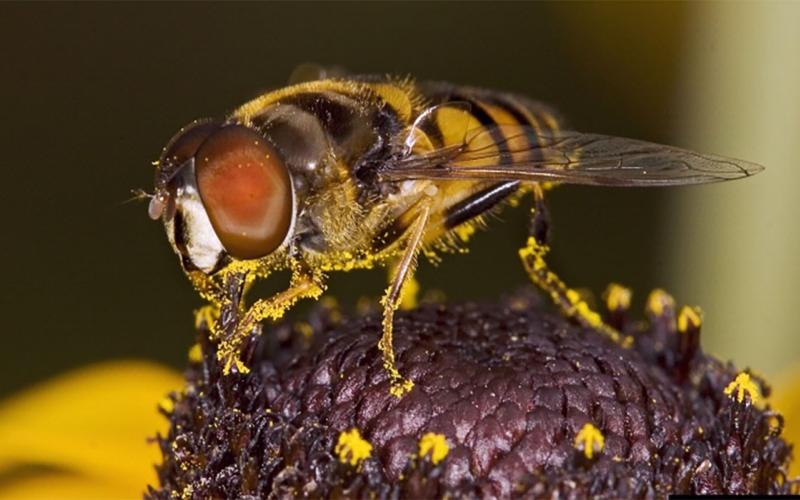
It’s a Bee! It’s a Wasp! No, It’s a Hover Fly!
Many types of insects are responsible for some degree of pollination in landscapes. In this article, we will focus on the syrphid fly as both an important pollinator and a beneficial insect predator.
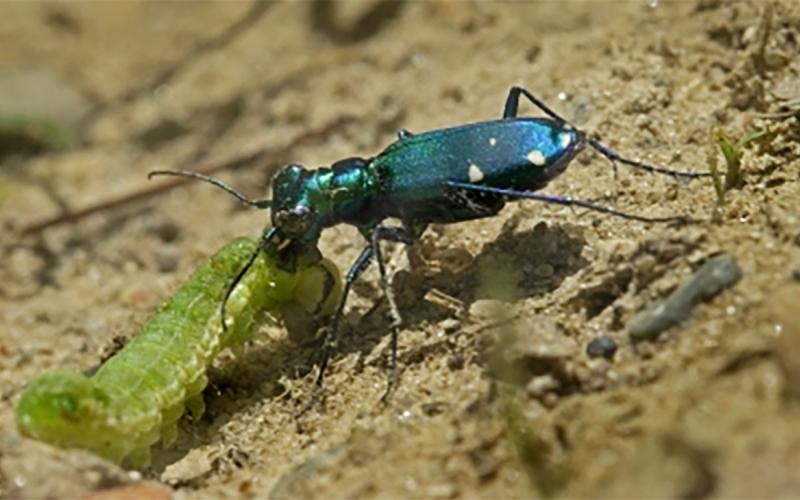
Tiger Beetles: Beneficial Predators and Ecosystem Health Indicators
Tiger beetles are generalist predators, meaning they prey on a wide variety of pests. Observing them in a landscape is a great sign that an ecosystem is healthy and supporting both prey and predators.
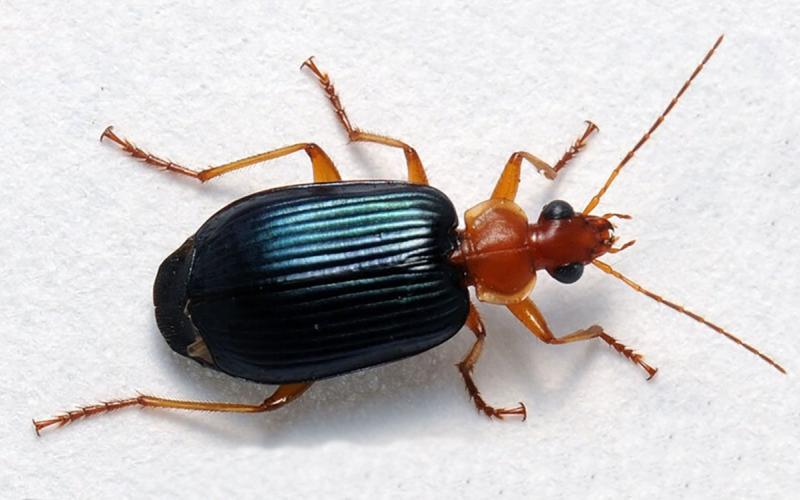
Ground Beetles: Predators That Provide Benefits in Agricultural Landscapes
For agroecosystems and gardens struggling with weeds and insect pests, ground beetles can be a beneficial predator. Learn the benefits they can bring to your landscape this growing season.
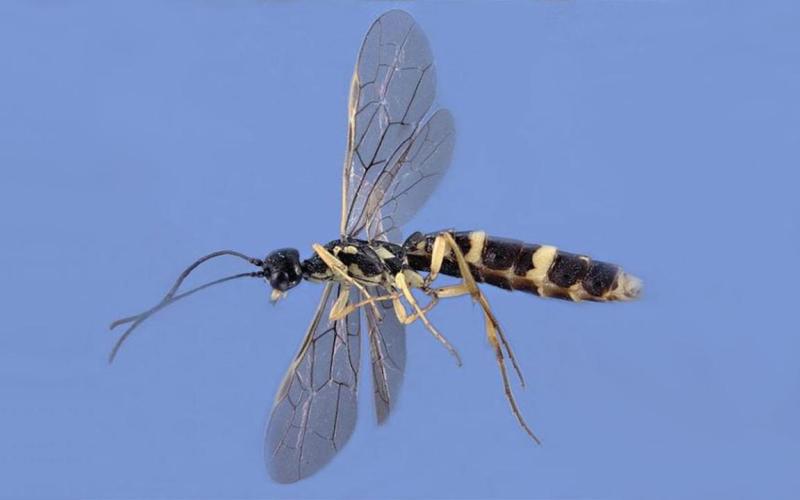
Wheat Stem Sawfly Adults Observed in South Dakota
During the 2024 wheat stem sawfly survey, wheat stem sawfly adults were captured in northwestern South Dakota. Observation is used to determine areas where solid stem wheat varieties should be considered.
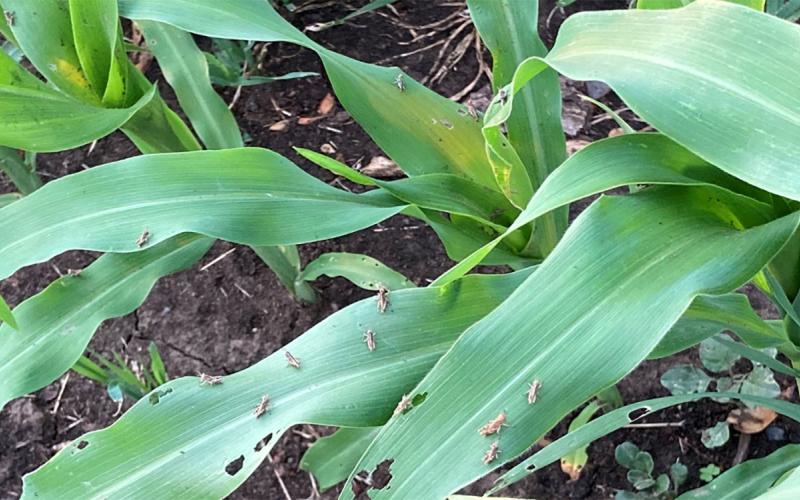
Monitor Crops for Grasshopper Activity
Abundant precipitation throughout much of South Dakota has resulted in less grasshopper observations. However, in areas where grasshoppers were an issue in 2023, they are starting to show up again.

SDSU Extension hosting Integrated Pest Management Field School
July 08, 2024
South Dakota State University Extension will host an Integrated Pest Management Field School on July 23, 2024, by Volga.
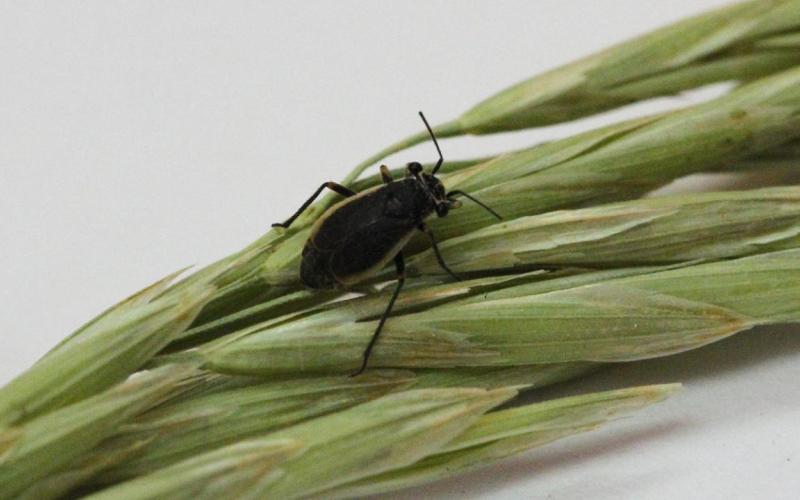
Keep an Eye on Black Grass Bugs This Spring
In South Dakota, black grass bugs are a common spring pest of forage grasses. This native insect first appears in late April and May when grasses emerge from dormancy.

Organophosphate Insecticides Under Continual Review by the Environmental Protection Agency
Recent moves by the EPA to limit or prevent the use of organophosphate insecticides present challenges for growers seeking effective pest control. So, what is motivating these changes, and what do they mean for producers?

Chlorpyrifos Products Can be Used in 2024 for Insect Pest Management
The U.S. Environmental Protection Agencys recently announced that currently registered insecticide products with the active ingredient chlorpyrifos will be legal to use on labeled crops during the 2024 growing season.