Soil Health
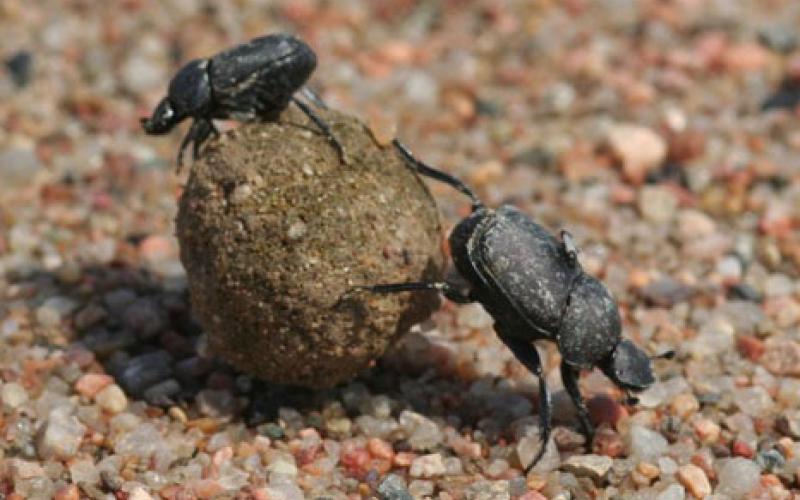
An identification guide to common Dung Beetles of South Dakota
A guide of common dung beetles of South Dakota.
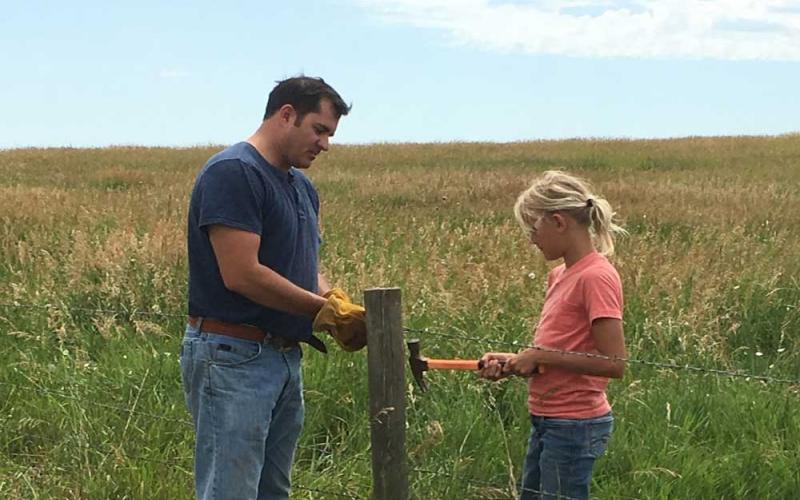
Strategic and Scenario Planning in Ranching: Conducting a Ranch Inventory
During times of belt-tightening, it’s imperative to make sure all the resources of the ranch are being utilized as efficiently as possible. Conducting a complete ranch inventory is a perfect time for ranch managers to take an in-depth look at their operation.
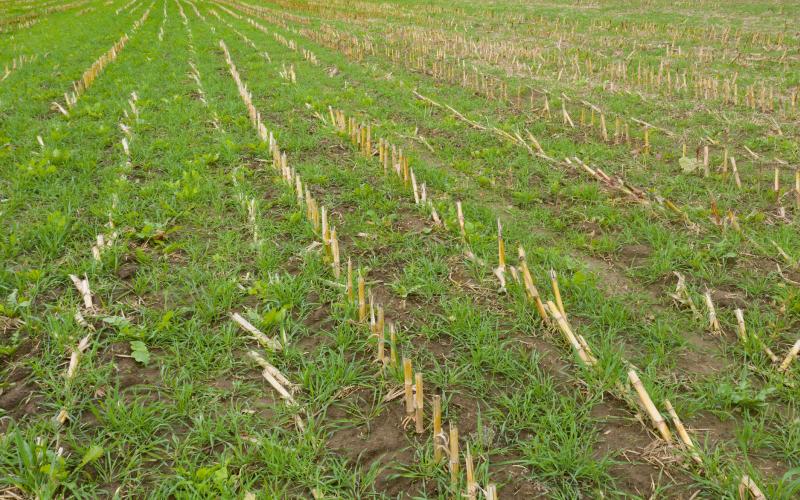
Utilizing Cover Crops for Grazing: An Assessment on Economic Benefits
Grazing cover crops by cattle provides an option to offset cover crop seed costs and increase farm revenue. To facilitate farmers’ decision making, this article will evaluate the economic profitability from grazing cattle on cover crops using a partial budgeting approach.
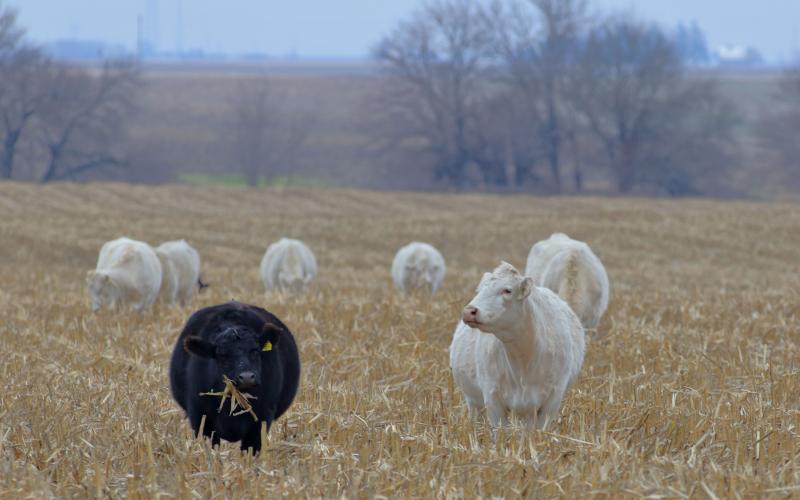
Farm Practices That Improve Soil Health: Integrated Crop-Livestock Systems
An integrated crop-livestock system can provide an alternative management strategy that benefits producer’s income, soil health, and the environment—all while increasing production.
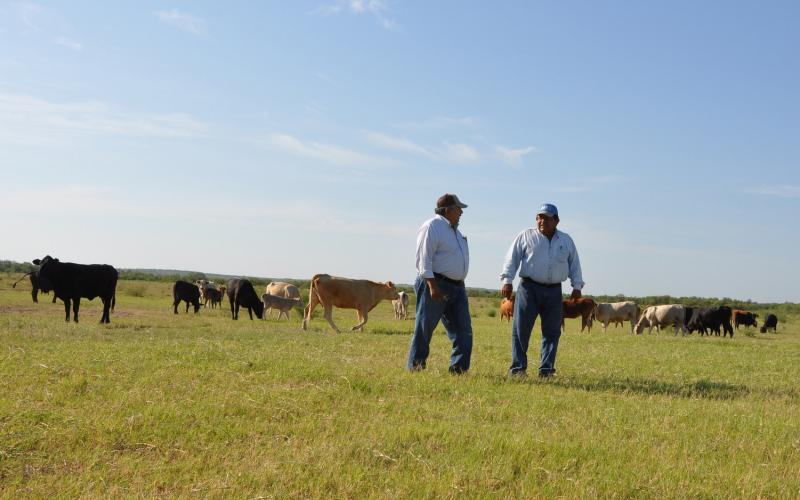
Rotational Grazing Benefits: South Dakota Producer Perceptions
To better understand producer perceptions on rotational grazing, we sent out 1,500 surveys to South Dakota ranchers inquiring about adoption status and perceptions of rotational grazing.
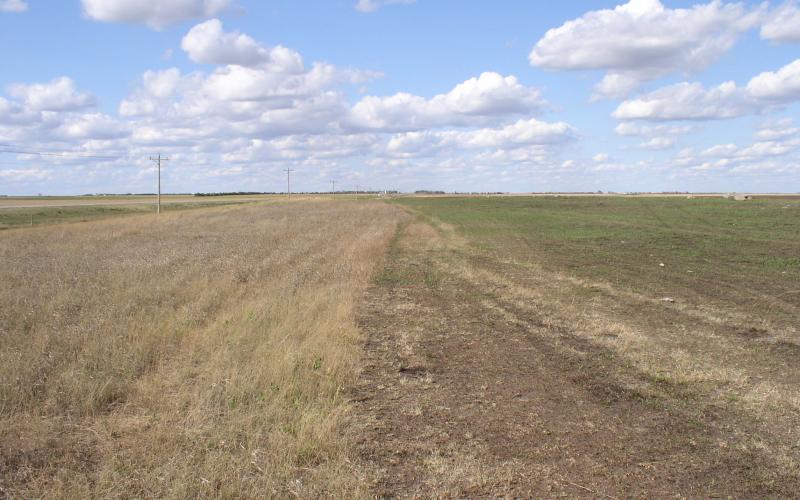
Management for Recovery of Rangeland After Wildfire
Because fire is a natural component of Northern Great Plains grassland ecosystems, prairie vegetation is very well adapted to recover following a fire.
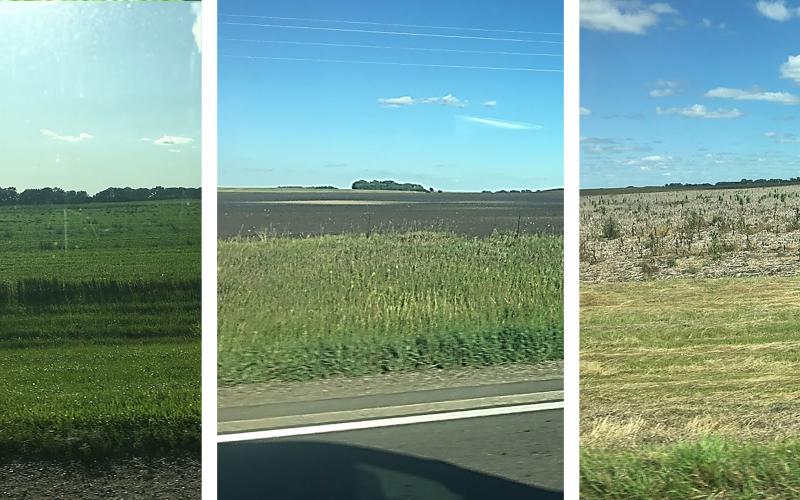
Prevent Plant: Its Effect on Fall and Spring Fertilizing Plans
Driving around South Dakota, you can see the many acres that farmers were not able to plant. Now that fall soil-sampling season is well on its way, many people have questions regarding how different situations of prevented planting will affect soil sampling and fertilizer application needs.
South Dakota Declares February 21 Soil Health Awareness Day
February 20, 2020
South Dakota Governor Kristi Noem has declared February 21, 2020 Soil Health Awareness Day. Agriculture contributes over 132,000 jobs and 32.5 billion dollars in total output to South Dakota’s economy.
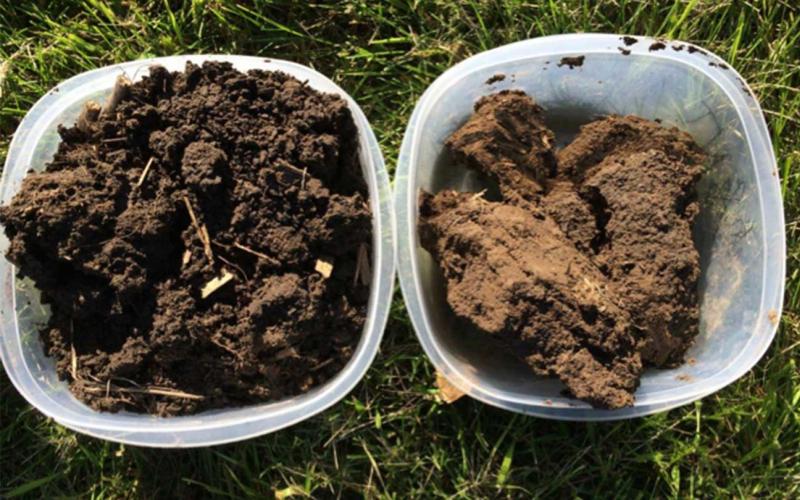
Organic Agronomy Starting to Impact
For decades scientists have known that a handful of soil contained more micro-biological organisms than the number of humans on earth. Science is just beginning to discover these organisms and learn about their functions and contribution to their soil ecosystem.
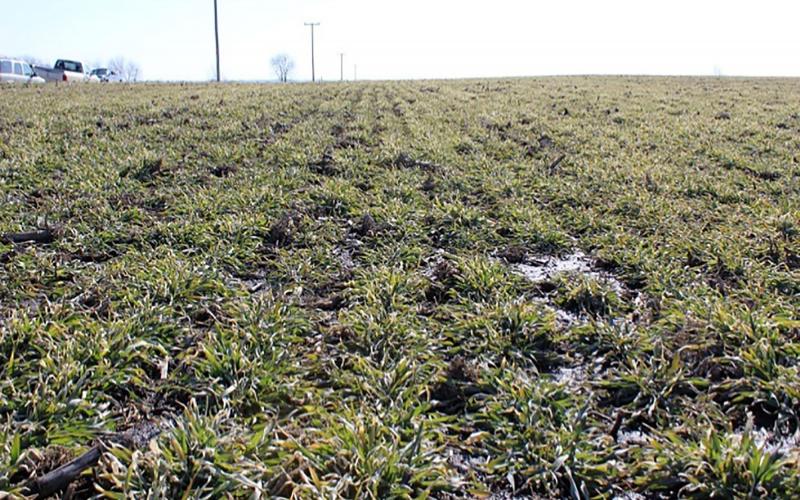
Farm Practices That Improve Soil Health: Cover Crops and Crop Residues
Planting cover crops and returning crop residues (stover) to the soil both adds nutrients and improves overall soil quality. These practices are common with producers across South Dakota and have been recently studied by researchers to identify how they impact the release of greenhouse gases into the atmosphere.