Range
General Principals of Grazing Management
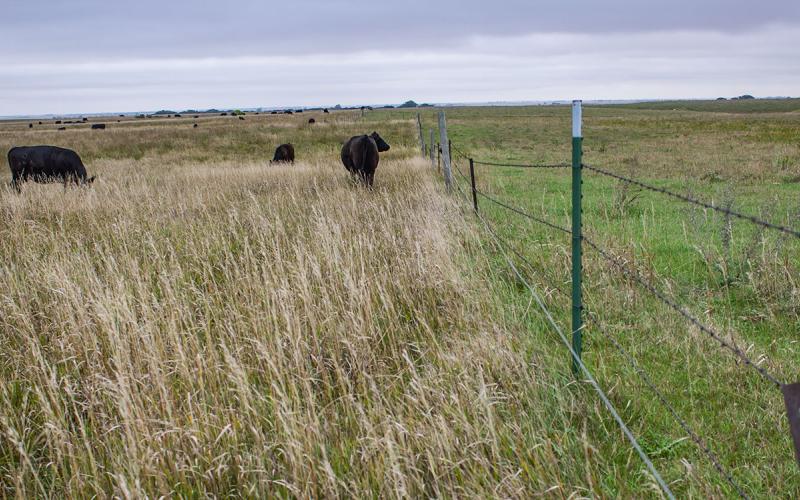
Grazing involves a number of variables, including land carrying capacity, type and distribution of the livestock, water distribution and number of pastures. A combination of proper grazing techniques and grassland management will improve harvest efficiency and lower production costs.
S.D. Producers’ Willingness To Adopt Patch Burn Grazing vs. Winter Patch Grazing
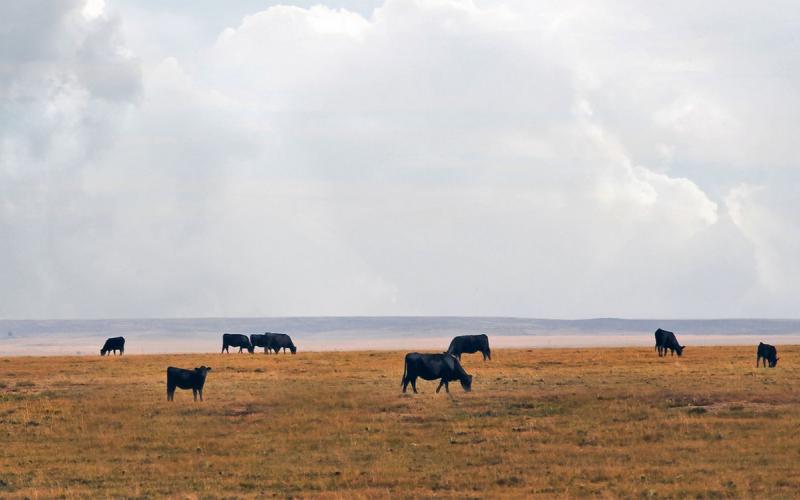
Patch-burn grazing and winter patch grazing are heterogenous rangeland management practices that aim to increase the variety of grass composition to benefit wildlife and maintain livestock production. To learn about producers’ desire to adopt these practices, we conducted an online survey between November 2019 and January 2020.
Producer Views on Patch Burn Grazing vs. Winter Patch Grazing in S.D.
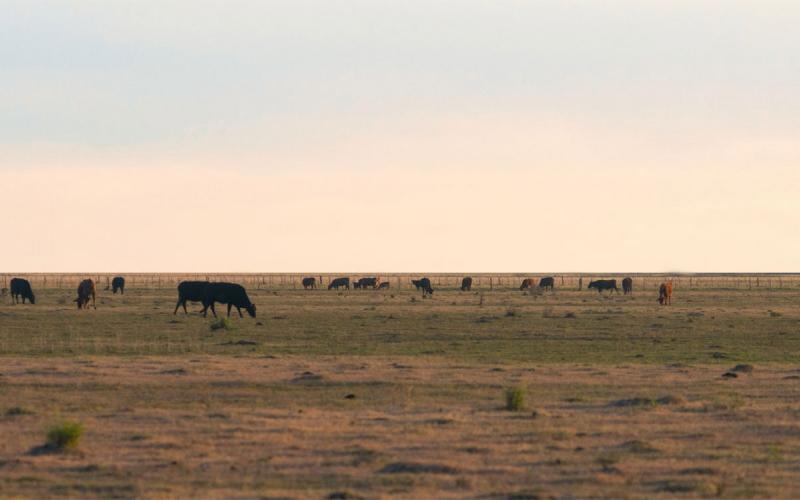
Traditional rangeland management promotes uniform forage utilization, yet causes detrimental effects on the richness of plant species and wildlife habitat. Therefore, management practices that increase heterogeneity in vegetation play an important role in developing habitat types and preserving grassland wildlife species.

Supplementing Cows on Pasture to Stretch Forage Supplies
With dry conditions spreading quickly across the Dakota’s, producers are forced to make challenging decisions on how many cow/calf pairs to turn out to pasture, and then determine how long the pastures will even last if moisture doesn’t come soon. During the spring/summer months, supplementing grass with energy and protein can decrease forage dry matter consumption.

Will Your Summer Pastures Meet Your Flock’s Needs?
Sheep can readily thrive on pasture in the summer. However, monitoring forage quality and meeting mineral requirements on range is important to optimize production.

Now is the Time to Plan for Noxious Weed Control in 2025
Since most of South Dakota has experienced several frosts, the opportunities for fall herbicide applications are likely over. Now is the time to plan for noxious weed management for both spring and fall tactics.
Evidence That 2,4-D Alone May Not Effectively Manage Leafy Spurge
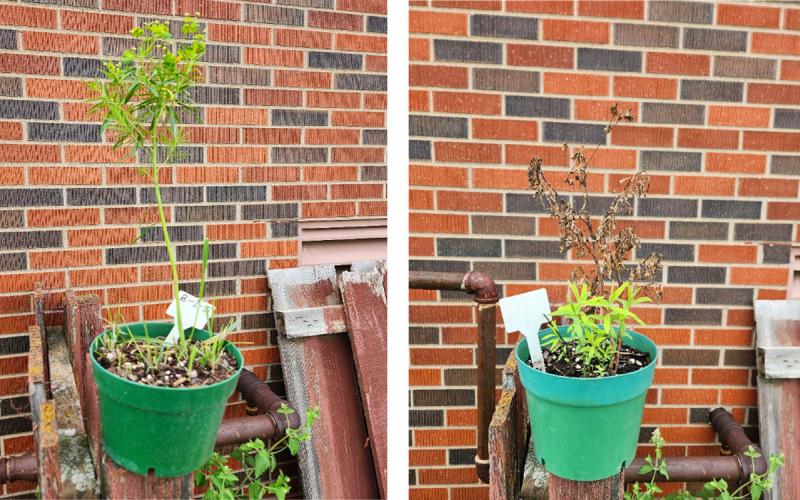
The SDSU Extension Weed Science Project is currently conducting a potted plant study looking at various herbicide treatments to manage leafy spurge.
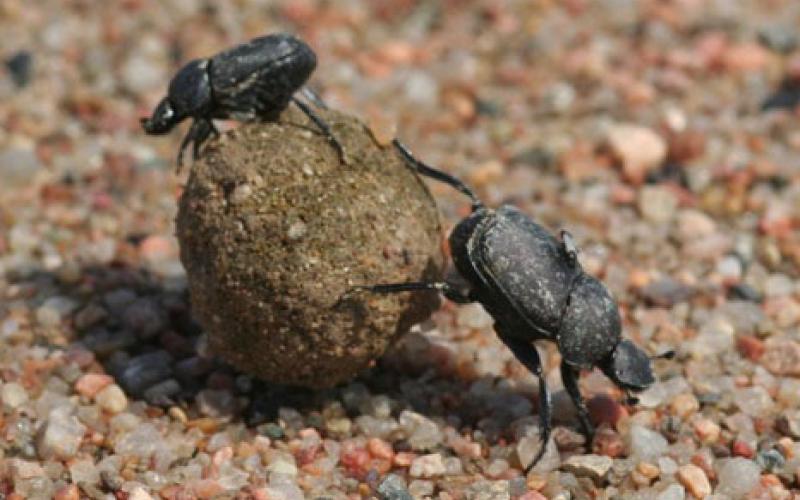
Promoting Dung Beetles on the Range
In South Dakota, dung beetles help regulate rangeland health through dung dispersal.
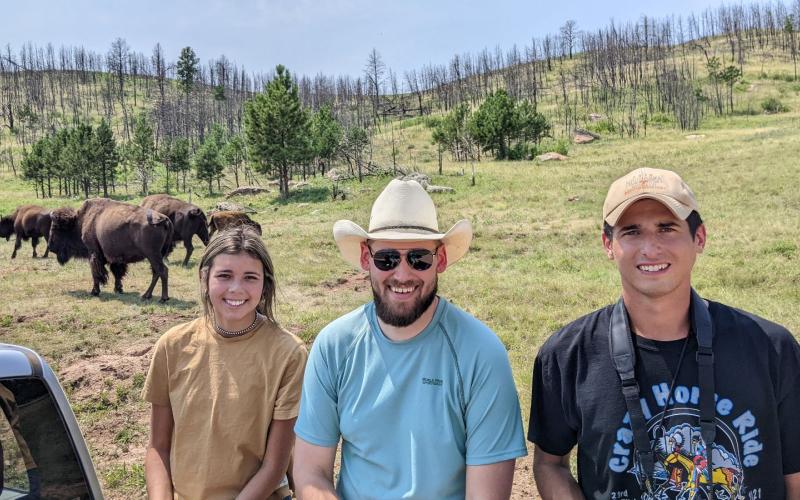
Bringing happy, healthy bison back to the Great Plains
January 17, 2025
There are approximately 400,000 bison across North America, down from 30 to 60 million prior to the 1860s. South Dakota has the largest bison population in the U.S. with nearly 40,000, and Martin hopes to see it keep rising.
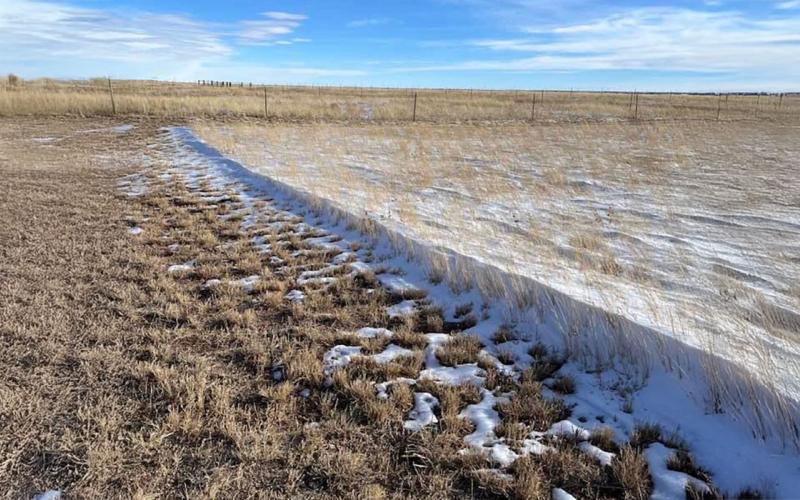
Winter Pasture Report: What’s your plan for spring?
Widespread drought conditions persist across the upper Great Plains into the beginning of 2025. During drought conditions, it is extremely important for producers to regularly assess precipitation and forage resources so they can manage livestock accordingly.