Planting Corn
All Planting Corn Content
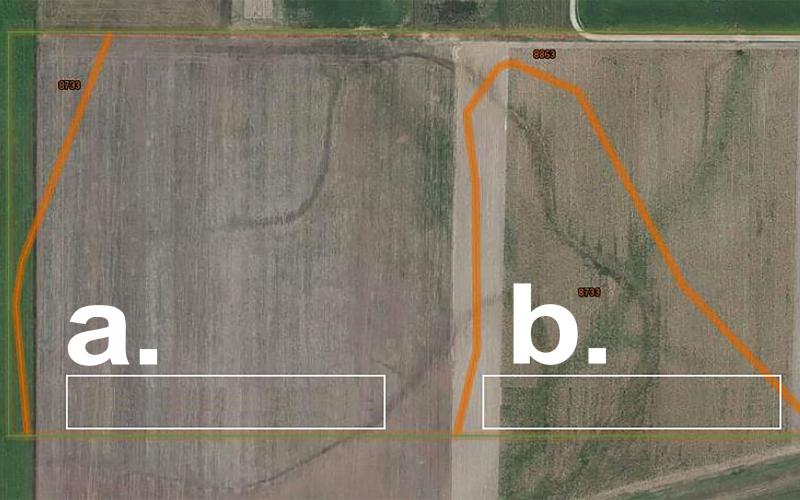
Field Studies: Setting up a Trial
Increasingly, farmers are generating on-farm research data that encompasses a wide-range of practical topics. However, setting up those experiments so that the data is statistically valid is not necessarily common knowledge.
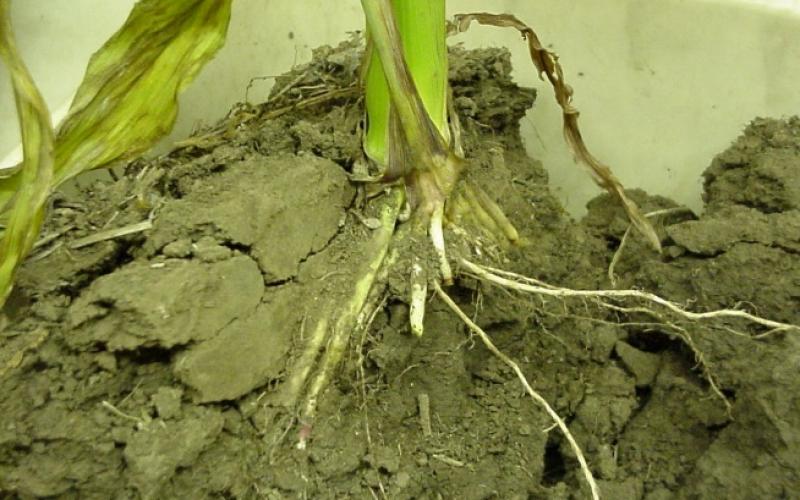
Planting Into Wet Soils
It is evident that there are high chances of planting into wet soils this spring. This is not a good decision when normal soil conditions appear to be attainable, but this year we may not have a choice.
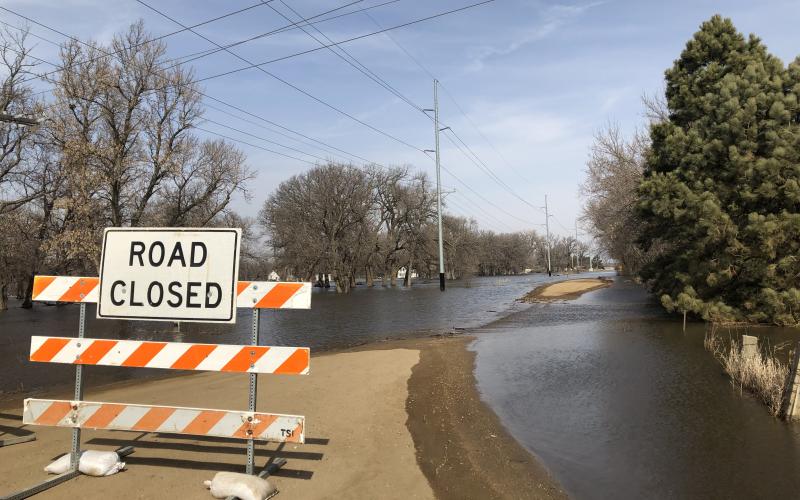
Floods Continue With a Wet Outlook
As April unfolds, major flooding continues along the Eastern rivers. The James River is at crest in Brown county the first week of April and will slowly recede while maintaining flood level for much of April.
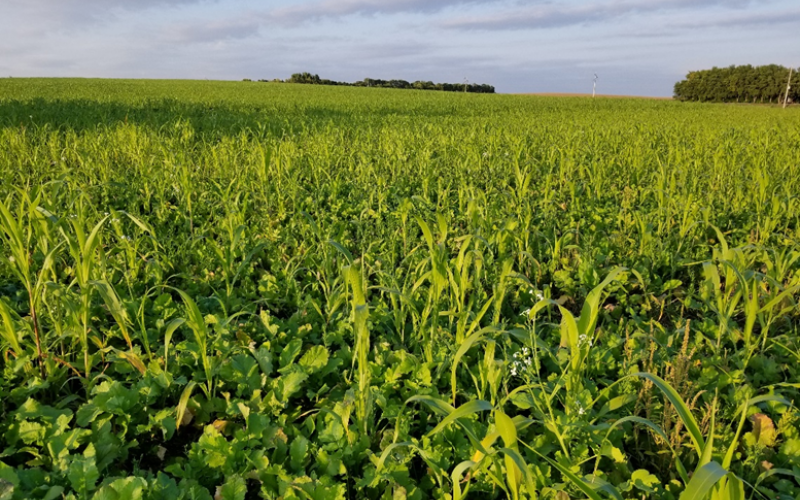
South Dakota Land Use Trends (2012-2017)
Significant education efforts for natural resource conservation have occurred in South Dakota during the last five years. Many stakeholder groups have brought awareness for soil health and water quality to the forefront.
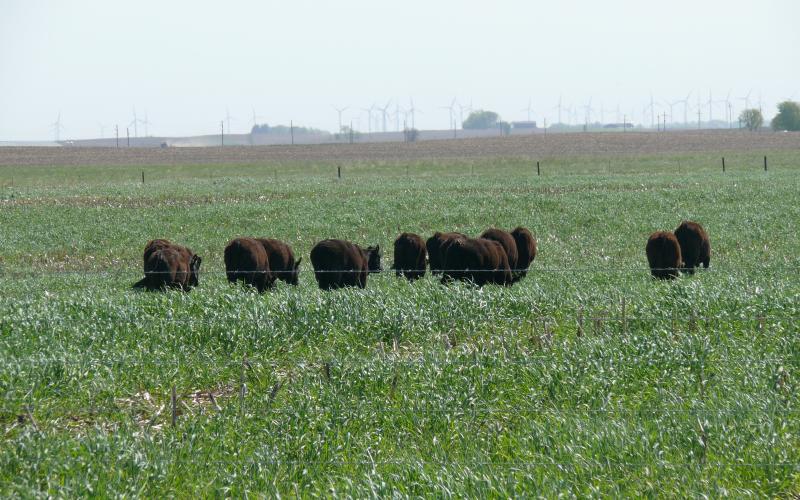
Cover Crops & Livestock Integration: A Profit Opportunity for S.D. Farms
Cover crops have been gaining a reemerging acceptance over the last decade, with very few producers disagreeing about the potential soil health benefits of adding cover crops to their farming operation.
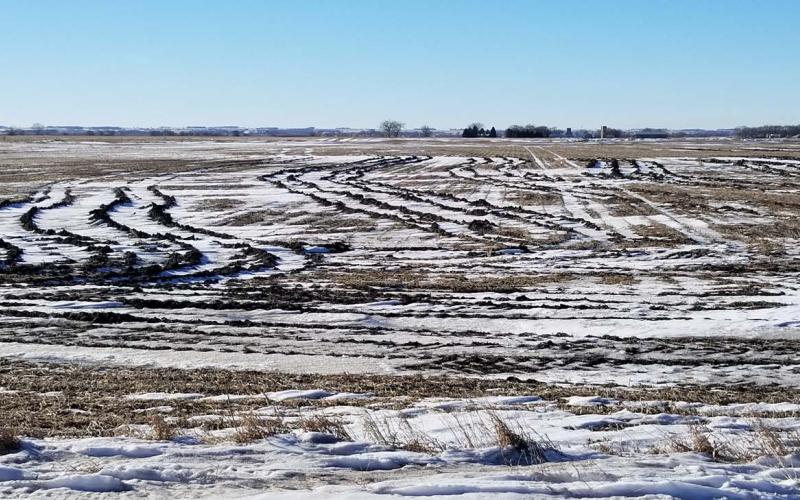
Stuck in a Rut: How to Deal With Field Ruts this Spring
As spring approaches, planting comes to mind, and for many, this means deciding what to do about last fall’s field ruts.
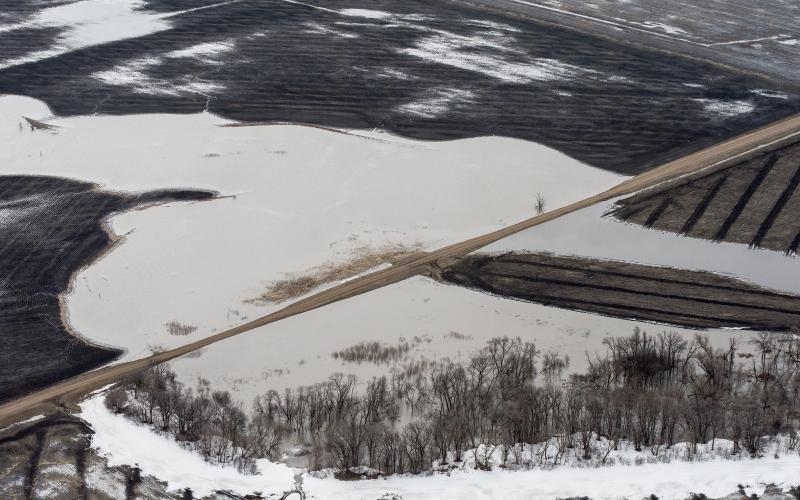
Managing Soil and Soil Fertility After Flooding
During floods, your fields will experience different amounts of erosion, sediment deposition, and crop residue accumulation. To avoid compaction of these soils it is crucial to let soils drain and dry out sufficiently before removing any large debris from fields or working the soil.
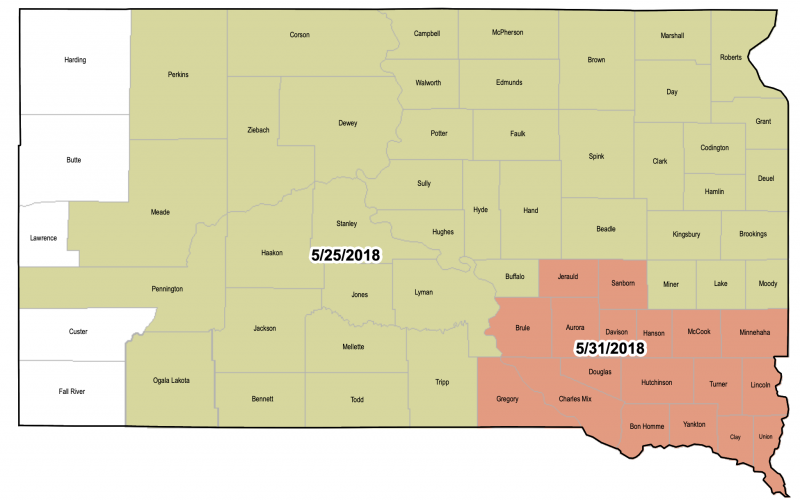
Late Plant Crop Insurance Dates
Crop insurance late plant dates are fast approaching for planting small grains in South Dakota. Late plant dates for corn, soybean, and sunflower are nearing as well. Producers will want to work with their crop insurance agent to explore planting options and reporting of prevent plant areas.
Planting Considerations and Resources for 2019
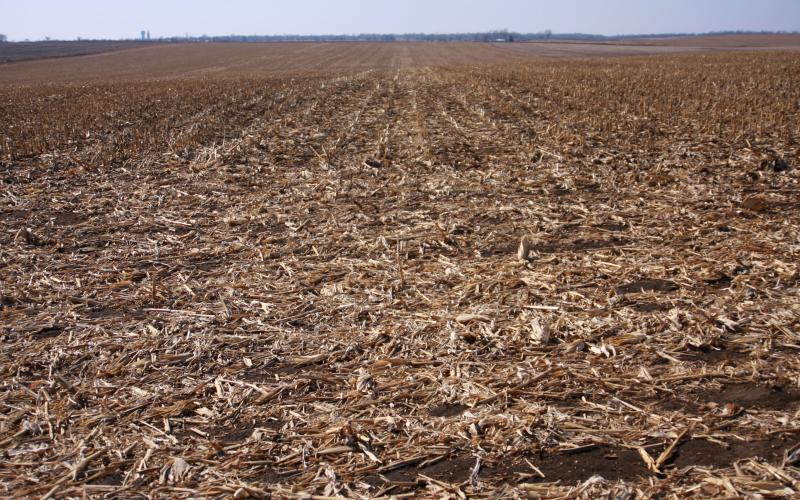
As May approaches, many farmers are preparing for row crop planting. In areas where flood waters have receded and soils are dry enough to begin field operations, farmers will likely be out in full swing soon.
Interseeding Cover Crops Effect on Corn and Soybean Production: 2019
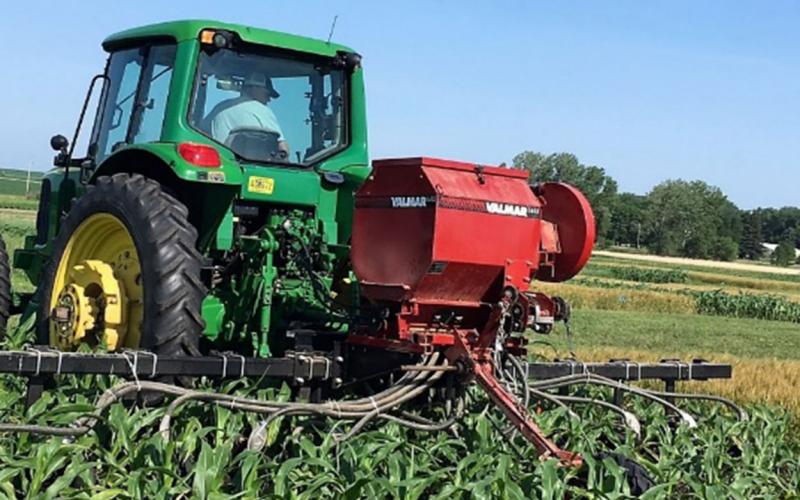
Incorporating cover crops into our cropping systems and moving from conventional tillage to no-till can improve soil organic matter, soil structure, and water and nutrient holding capacity of our soils.