Perennials
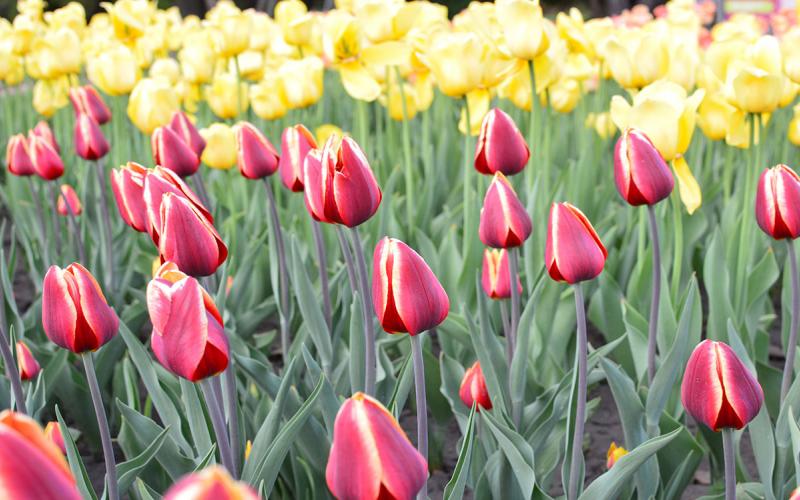
Tulips Bring Early-Season Color to the Garden Each Year
Nothing says “spring is here” quite like the annual tulip bloom! Late April and early May are great times to enjoy a wide pallet of colors and textures presented by over 100 known species of garden tulips.
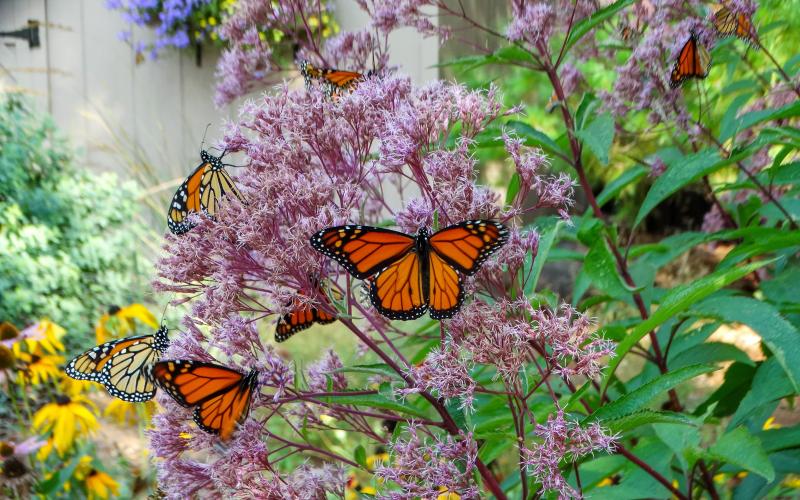
An identification guide to Native Pollinator Plants of South Dakota for Managed Landscapes
A guide of Native Pollinator Plants in South Dakota.
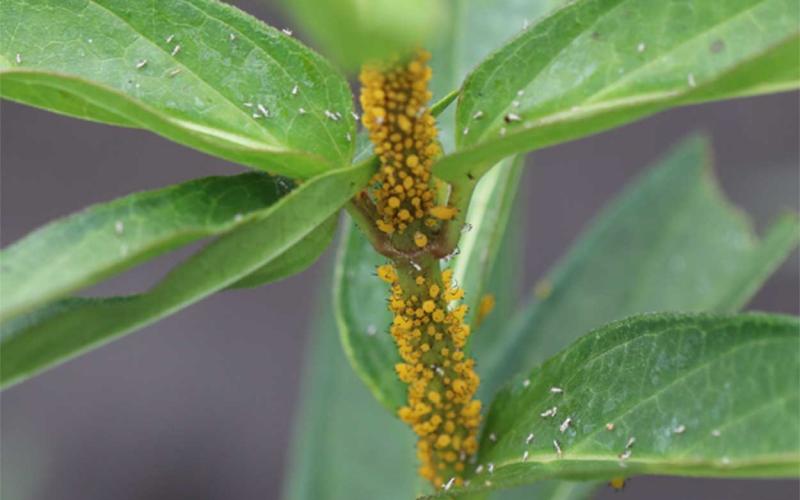
Are Aphids on Milkweed Really a Bad Thing?
This year, we’ve noticed large populations of aphids on swamp milkweed plants and we’ve identified them as the oleander aphid (Aphis nerii), which is sometimes referred to as the milkweed aphid.
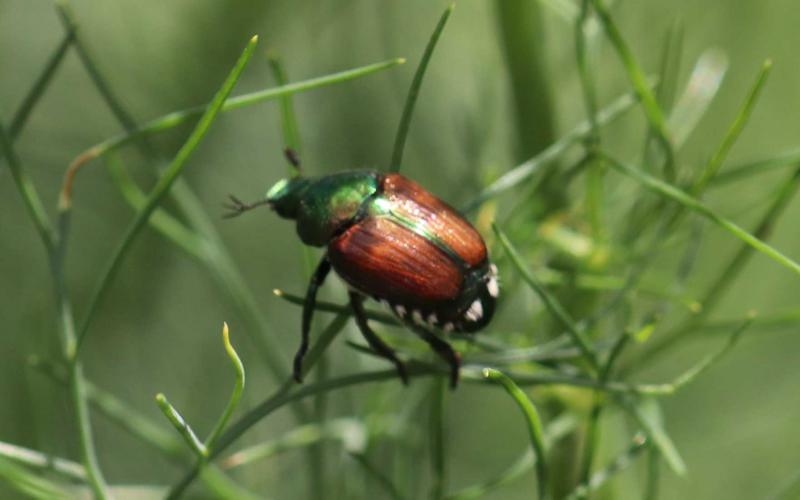
What Are These Shiny Beetles in My Yard and Why Are They Eating Everything?
Japanese beetles are very bad news for anyone with a garden. They are polyphagous insect pests, which simply means they feed on many different host plants.

Pig Squeak: Bergenia cordifolia ‘Winterglut’ (Winterglow)
Bergenia is a great plant for many different types of sites in the garden performing well in shady locations to full sun, if extra moisture is provided. It looks great as a single specimen plant or planted in groups of five or more.

Creating a Sensory Garden
A sensory garden is a garden that has a collection of plants that are appealing to one or more of the five senses; sight, smell, sound, taste, and touch. Sensory gardens should be accessible for all people to enjoy - disabled and non-disabled. Sensory gardens are typically geared towards young children, but are enjoyed by people of all ages.
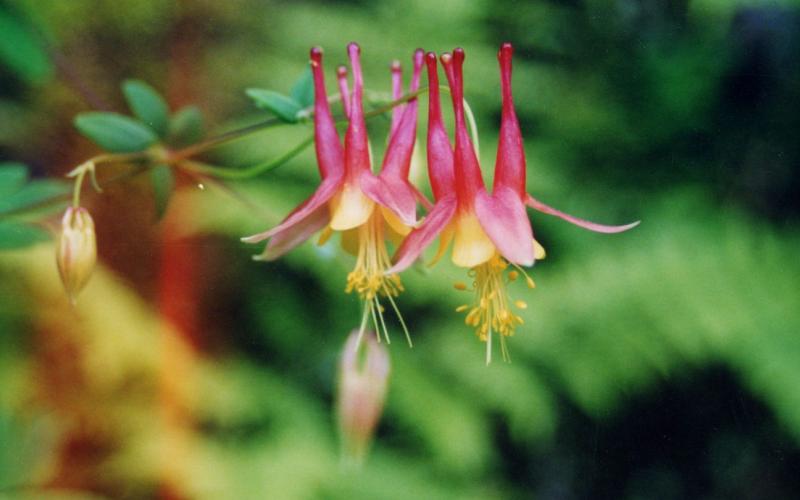
Wild Columbine
Red columbine, Aquilegia canadensis, is this week’s native perennial to know. Also known as wild columbine, this plant has striking red flowers that droop from the ends of tall stalks.
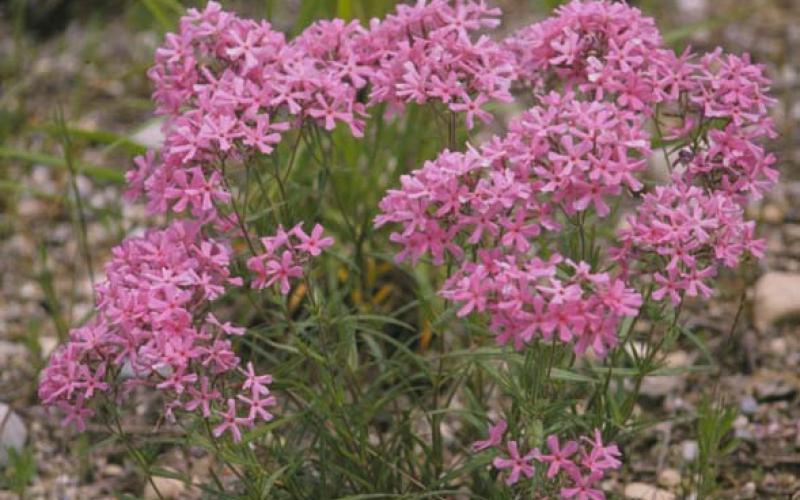
Phlox
This week’s native perennials are both phloxes: Phlox divaricata (Wild Blue Phlox, or Sweet William) and Phlox pilosa (Downy or Prairie Phlox)
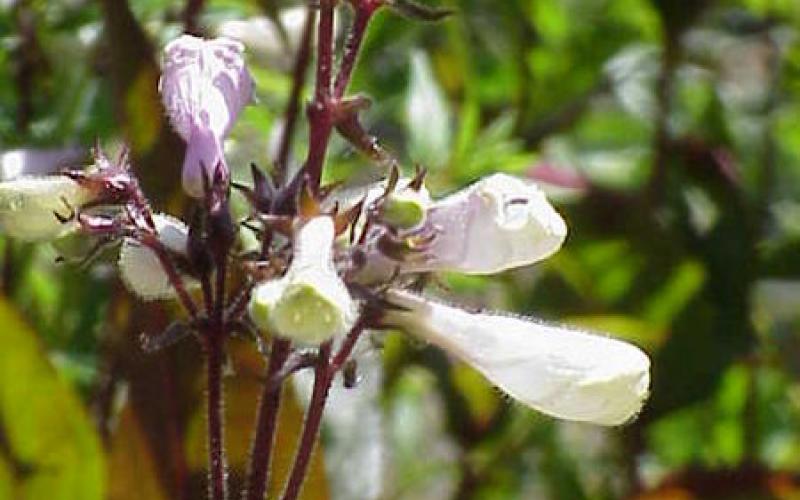
Penstemon
Penstemon grandiflorus and Penstemon augustfolius are both native to South Dakota.
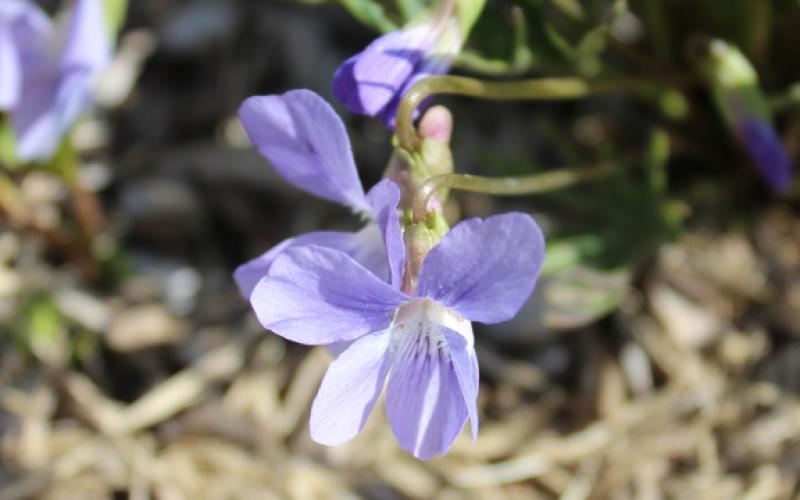
Viola pedatifida
An early blooming native perennial, Viola pedatifida – commonly known as prairie or larkspur violet, is a low-profile addition to your garden.