Perennials

Fertilizing Gardens in South Dakota
Publication about fertilizing gardens in South Dakota
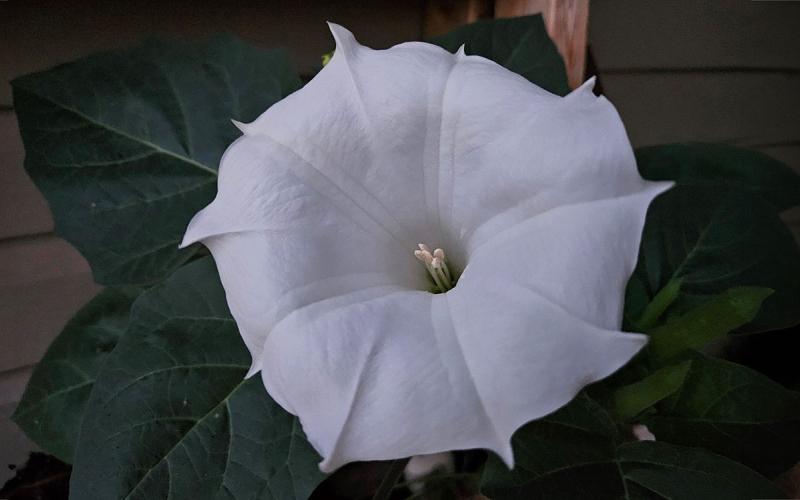
Night-Blooming Flowers and Host Plants for Moths
Moths are fascinating creatures, and they are also important pollinators. Learn about a variety of night-blooming flowers and native host plants that can attract these beneficial insects to your yard and garden.
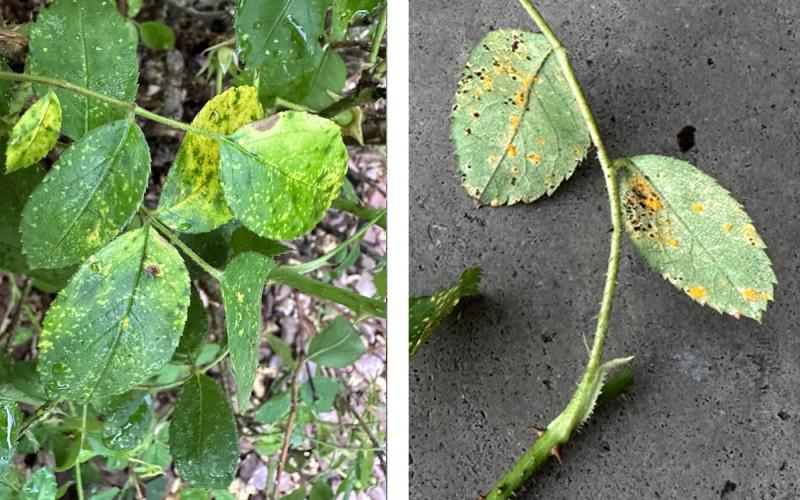
Rose Rust
Common rust of roses is a fungal disease that is found throughout the United States. While hot and dry summers limit the prevalence of the disease, it surfaces when weather conditions are cool and wet.
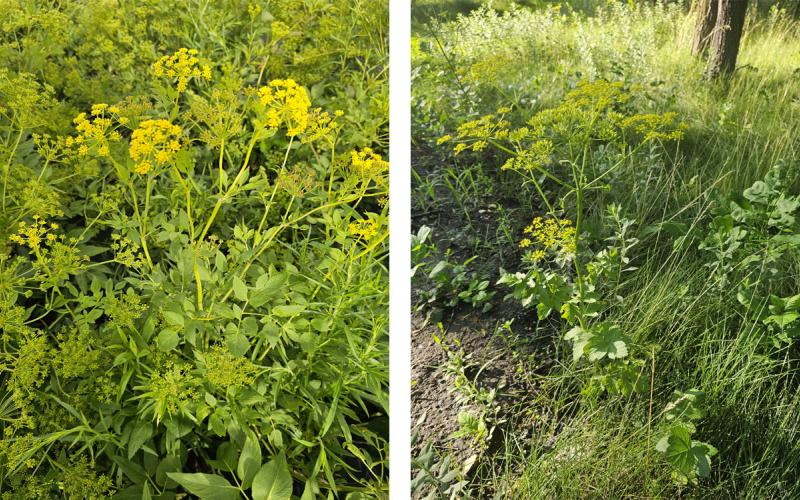
Plant Look-Alikes: What’s the Difference Between Golden Alexander and Wild Parsnip?
Golden alexander (Zizia aurea) is a striking native plant in South Dakota. However, another plant in this region often mistaken for golden alexander does not belong here and contains a harmful toxin.
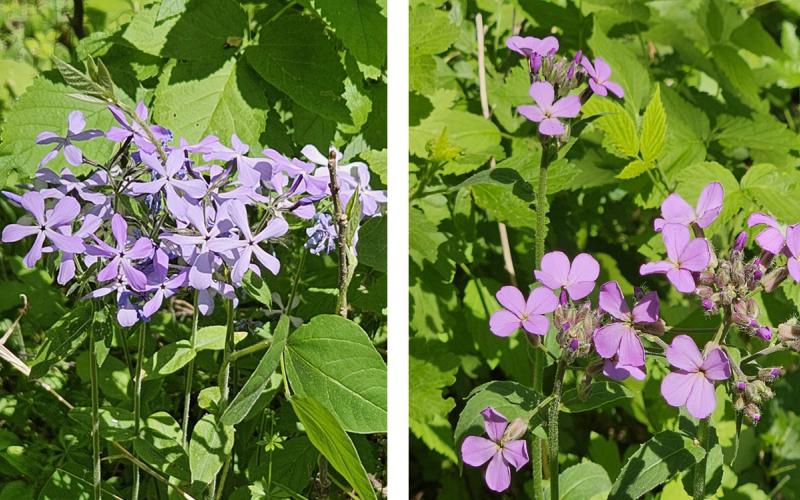
Plant Look-Alikes: What’s the Difference Between Phlox and Dame’s Rocket?
Distinguishing between native phlox flowers and the invasive dame's rocket can be challenging due to their similar appearances. Learn some key characteristics that can help you tell dame's rocket apart before it invades your property.
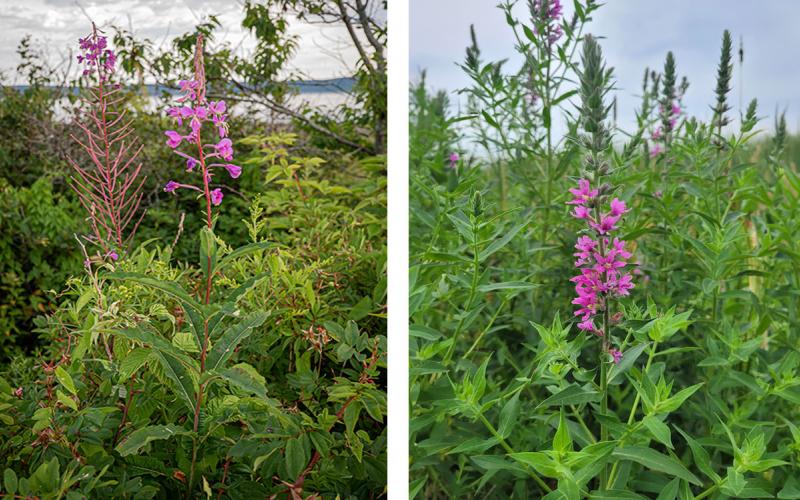
Plant Look-Alikes: What’s the Difference Between Fireweed and Purple Loosestrife?
Fireweed and purple loosestrife are often confused with one another due to their similar appearances, but the two plants have dramatically different impacts on the environment. Learn some key characteristics to help tell them apart.
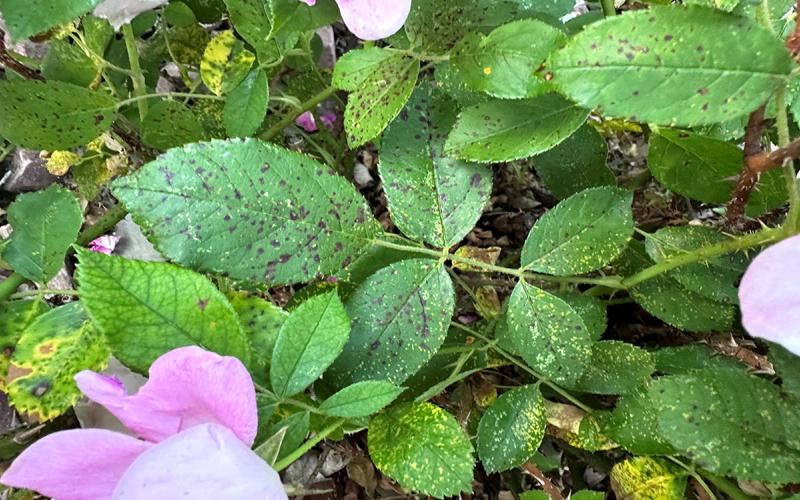
Black Spot Disease in Roses
Black spot is a recurring fungal disease in roses that will decrease the vigor and blooms of rose plants if it is not managed. Learn some expert tips for identifying and managing it in your gardens.
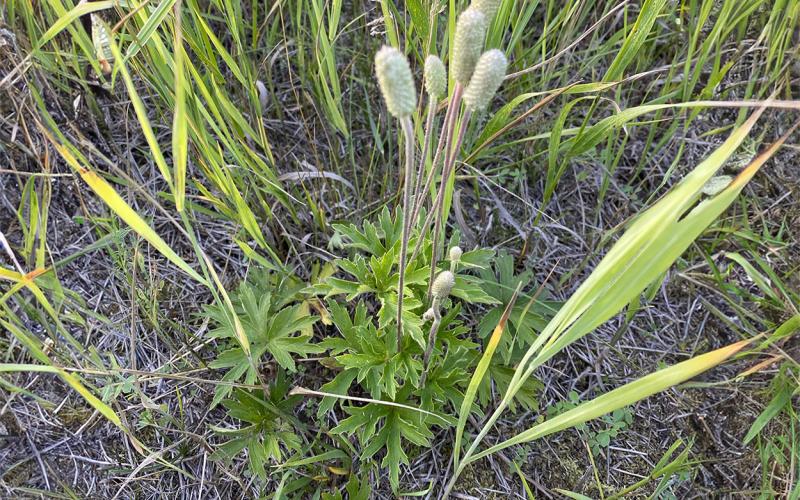
Native Plants to Know: Thimbleweed (Anemone cylindrica)
Anemone cylindrica (Ranunculaceae), also known as thimbleweed or candle anemone, is a perennial, herbaceous plant native to prairies and woodlands of central and northern North America.
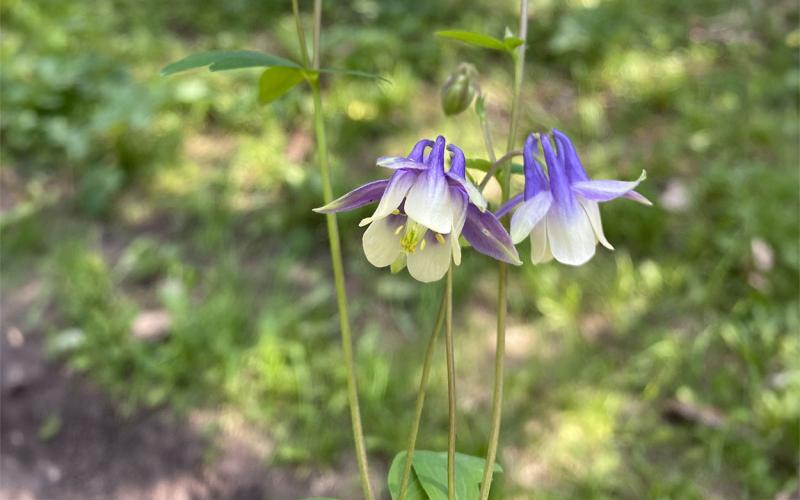
Native Plants to Know: Small-Flowered Columbine (Aquilegia brevistyla)
Aquilegia brevistyla, or small-flowered columbine, is a native, perennial, herbaceous plant in the Ranunculaceae (buttercup family) that grows in cool, shaded, canyons in the Black Hills of South Dakota.
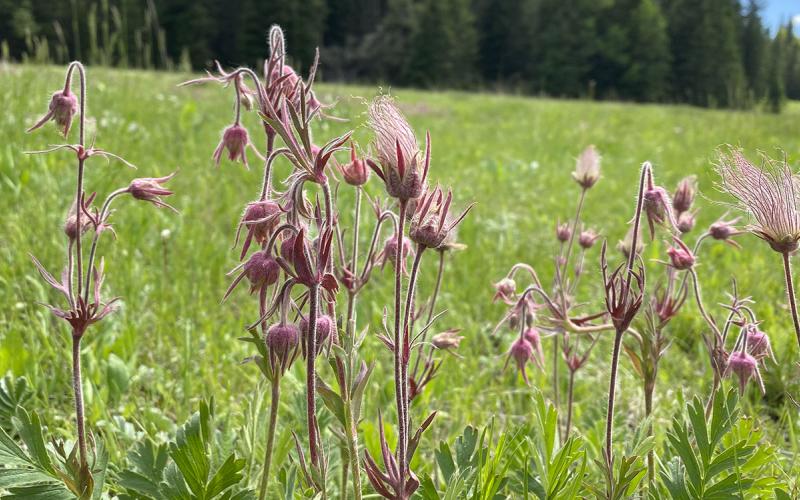
Native Plants to Know: Prairie Smoke (Geum triflorum)
Geum triflorum or Prairie Smoke (Rosaceae) is a flowering, herbaceous (non-woody stem) perennial, native to North American prairies known for its distinctive nodding and wispy flowers that resemble plumes of smoke