Drought: Livestock
Drought
Stay ahead of drought impacts with SDSU Extension's timely climate updates, business insights and research-tested management tips.
Drought Management Tools for Beef Cattle Producers
Making timely, objective decisions based on the long-term sustainability of the operation is essential for successfully managing through drought and positioning the ranch for recovery.
Drought Management Tips for Beef Cattle Producers
Fact sheet with tips for Beef Cattle Producers for Drought Management

Stretching Forage Supplies with Agriculture Byproducts and Crop Residues
For most producers across the Plains, forage supplies are looking limited because of decreased forage production from persistent drought conditions, making now a suitable time to explore alternative feed options.
Guidelines for Livestock Carcass Disposal in South Dakota
Everyone who works with or owns animals tries their best to keep all animals alive. In turn, they also know there will always be normal mortality. Thus, we need to keep in mind the regulations surrounding disposal.

SDSU Extension provides additional drop boxes for free nitrate testing
July 30, 2026
South Dakota State University Extension is providing additional drop-off locations for free nitrate testing to ensure a safe feed supply for livestock as dry conditions linger across much of the state.

Resources for Early Weaning Beef Calves
Early weaning calves is one way to decrease nutrient demands of the cow herd and extend grazing days during adverse weather conditions. Learn some important management strategies to consider before weaning younger calves.

Drought Emergency Order Provides Flexibility for Forage Transportation
The recent extension of the State of South Dakota’s Drought Emergency Executive Order will provide livestock producers with flexibility to transport harvested forage. The order allows qualifying producers and commercial haulers to continue transporting oversized loads of baled livestock feed under emergency permitting provisions.
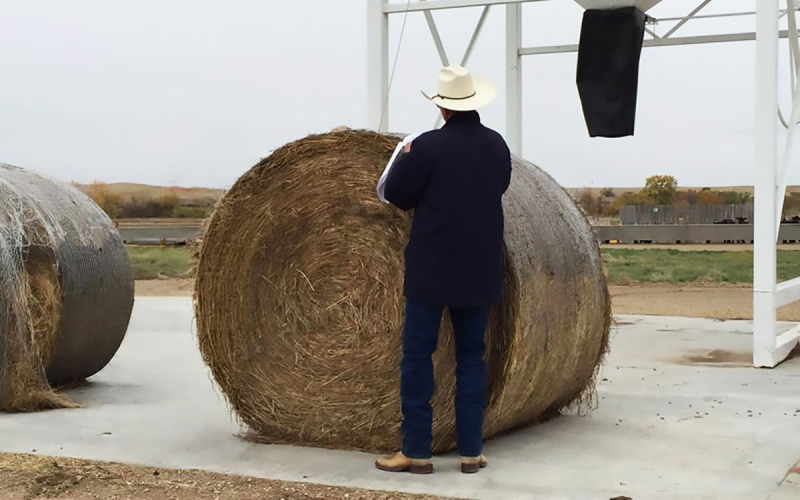
Developing Replacement Heifers During Drought Conditions and High Hay Prices
High-priced hay does not necessarily mean replacement heifers cannot be developed cost-effectively. Alternative feed resources and strategic feeding programs can help producers meet growth targets while stretching limited forage supplies.
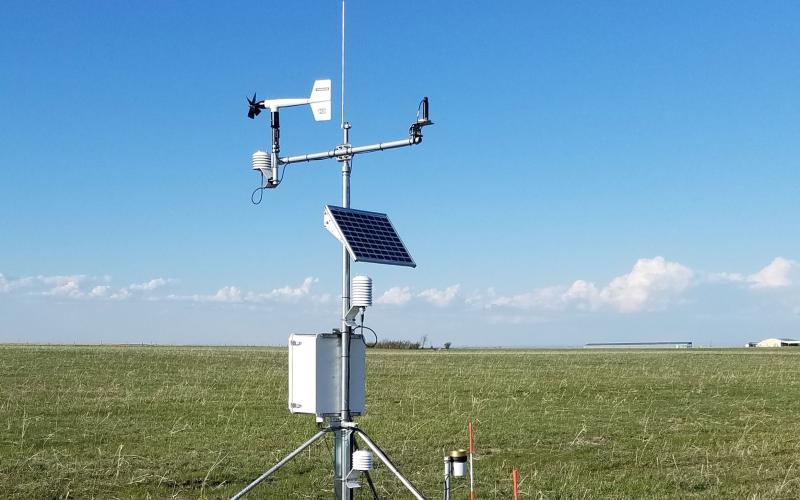
Climate and Weather
View resources to predict, prepare and recover from weather-related events year-round, including the latest drought and flood information.