Growing Corn
All Growing Corn Content

Drought and Heat Effects on Corn Production
Nearly every season in South Dakota there are periods of hot, dry weather in at least parts of the state. While we have no control over the weather, producers can prepare for drought stress by using proactive practices.
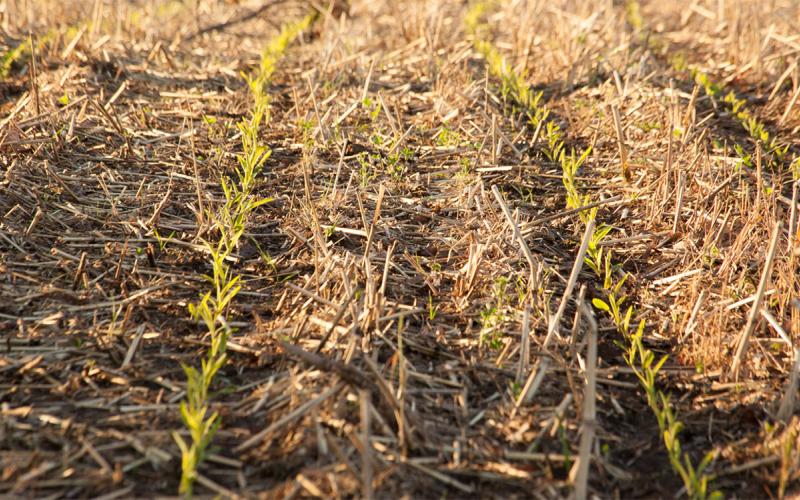
Estimating Corn Emergence With Growing Degree Days: Data from May 7, 2021
With corn planting well underway in South Dakota, the next step is monitoring its emergence. One of the factors that can speed up or delay corn emergence is air temperature.
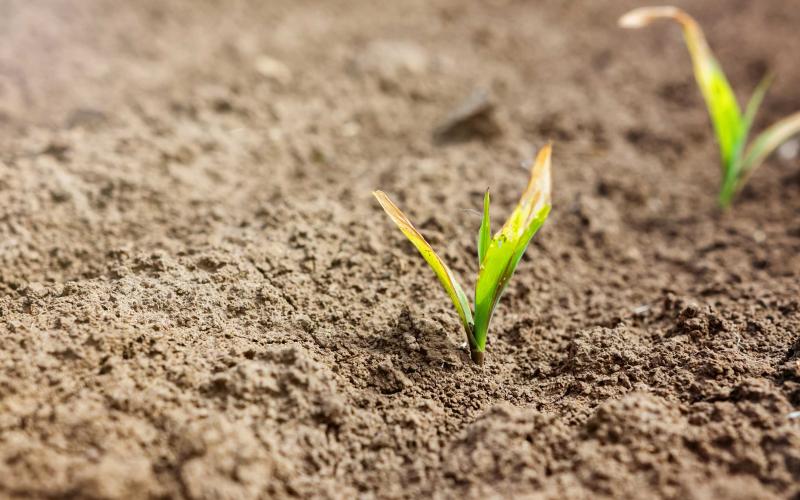
Low Temperature Damage to Corn and Soybean
Temperatures are forecast to reach 32°F or lower in large areas of South Dakota for several nights beginning on May 7, 2020. While a relatively low percentage of planted crops are likely to be emerged at this point in time, producers may still want to evaluate individual fields for crop damage.
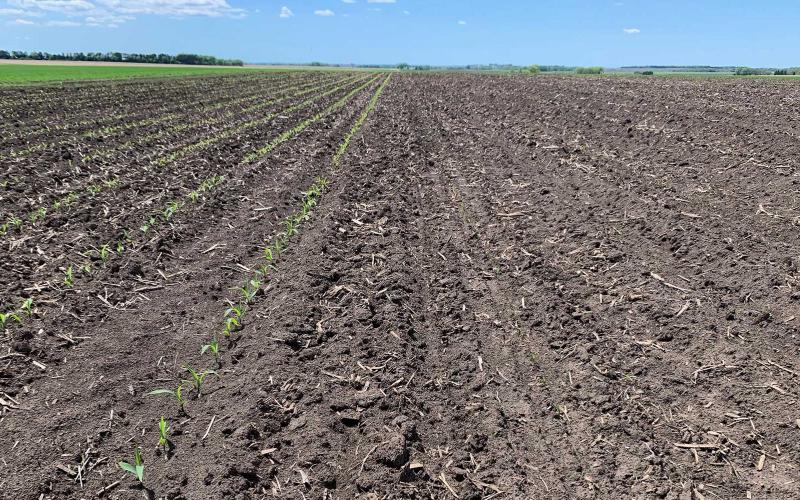
2020 Corn Growing Degree Days Update
Spring planting progress of corn in 2020 has been much ahead of a typical year in South Dakota. Crop development, however, seems slow.
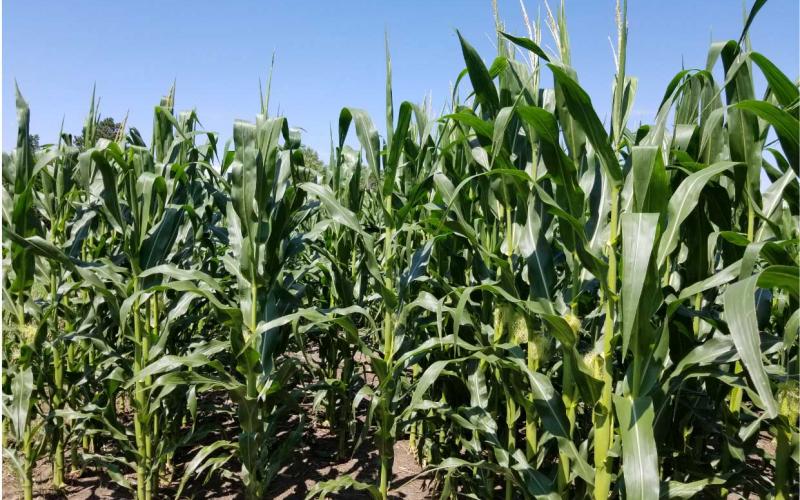
2019 Corn Growing Degree Day Update
Growth and development in crops are a direct response to accumulated heat units or growing degree days (GDD). The Corn GDD Tool at the High Plains Regional Climate Center can be a useful resource for not only estimating crop growth stage, but also for selecting hybrids within the appropriate maturity group.
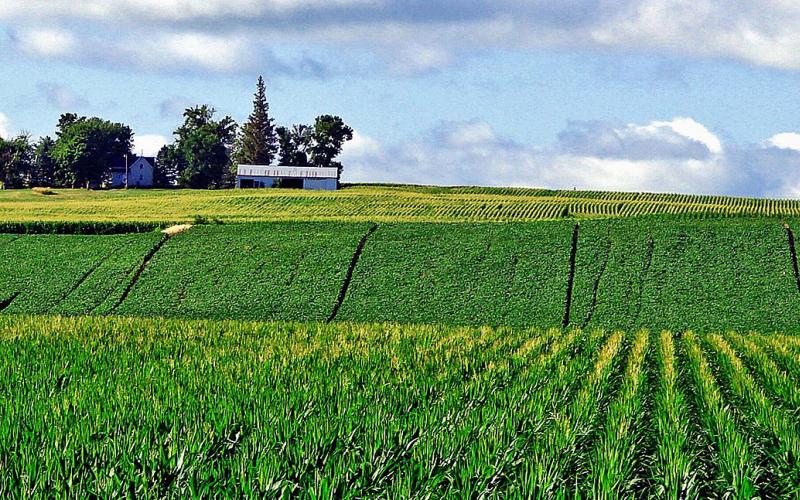
Are My Crops Susceptible to Chilling Injury?
To say that the spring of 2019 has been a challenge for South Dakota producers is an understatement. According to the USDA-NASS, corn and soybean planting progress in SD was pegged at 19% and 4% on May 20th, respectively, which is far below the 5-year averages of 76% and 39%. Last week was the first time much of either crop was planted in SD.
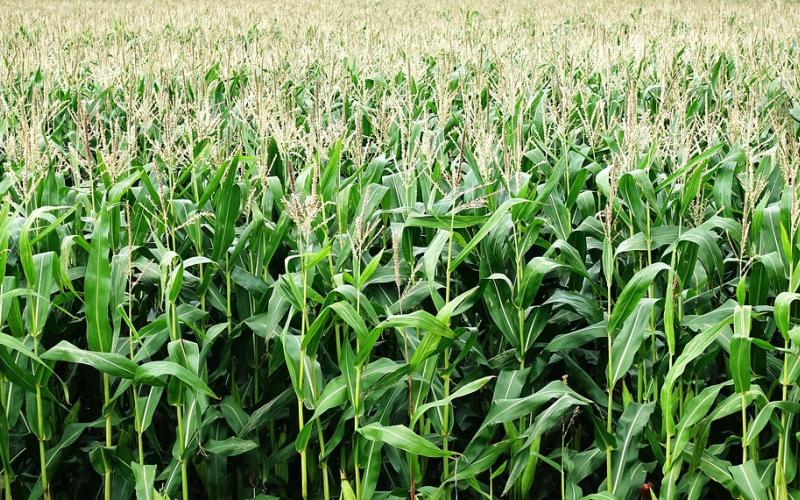
Comparing Yield Goal and Maximum Return to Nitrogen Prediction Methods for Determining Corn Economic Optimal Nitrogen Rates
Fact sheet evaluating the accuracy of different corn nitrogen recommendation approaches with their advantages and disadvantages.
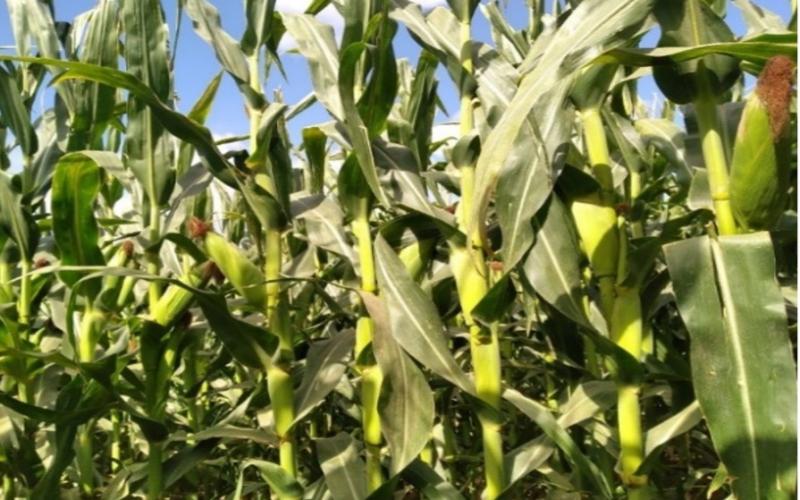
Monitoring Corn Nutrient Deficiencies: The Traditional and Precision Ag Approach
To maximize growth and productivity, plants require 17 different nutrients.
2019 Survey South Dakota Corn Nutrient Management Practices
Data from the 2019 survey South Dakota farmers was used to examine how local and operational characteristics such as geographic location within SD, tillage practice, and farm size were related to the adoption of various nutrient management practices.

South Dakota Fertilizer Rate Guidelines Calculator for Corn, Soybean, and Wheat
Calculator for Fertilizer Guidelines for Corn, Soybean and Wheat in South Dakota