Grassland
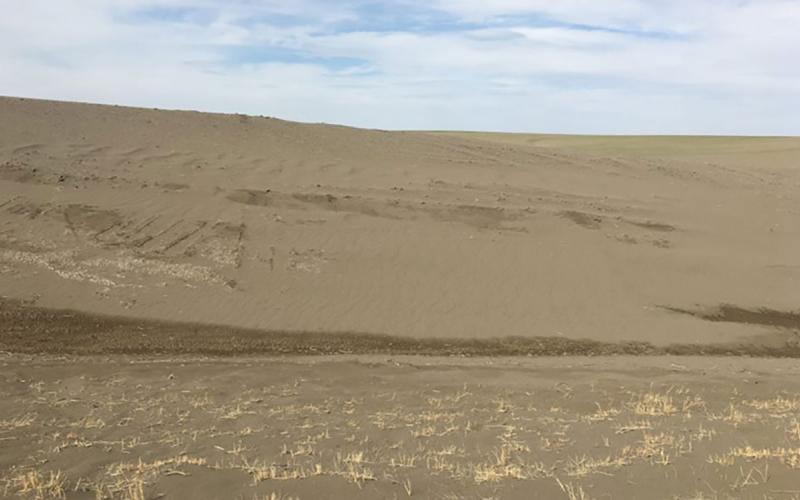
Impacts of Drought on Soil, Water, Forage and Livestock Grazing Systems
Grazing systems are complex, because soil, water, forage and livestock components are interconnected and affect each other. Producers can put themselves back in the driver’s seat by developing annual systems-level grazing plans for favorable and unfavorable situations.
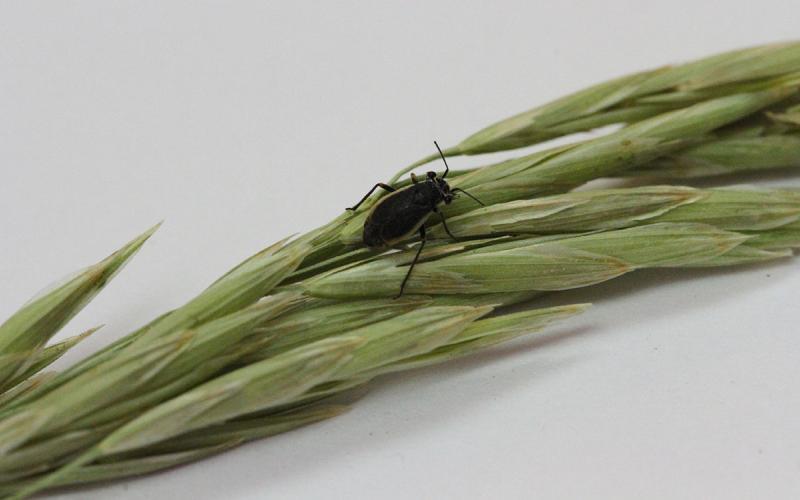
Drought Conditions Magnifying Impact of Black Grass Bugs
With much of South Dakota continuing to experience moderate-to-extreme drought conditions, black grass bugs could become a concern in some areas. Large populations of black grass bugs can cause severe damage to pasture.
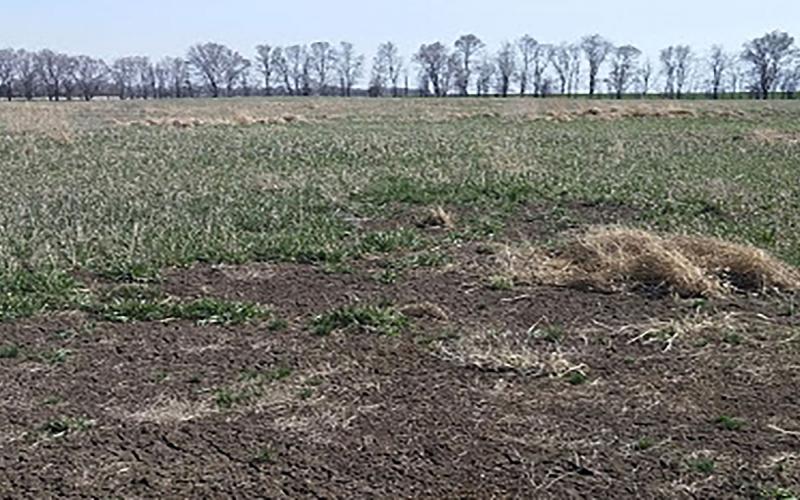
Do You Have True White Grubs in Your Pasture or Rangeland?
Grub damage to pastures and rangeland is often observed in South Dakota. From past observations, some of the heaviest infestations in the state are located near the Missouri River.
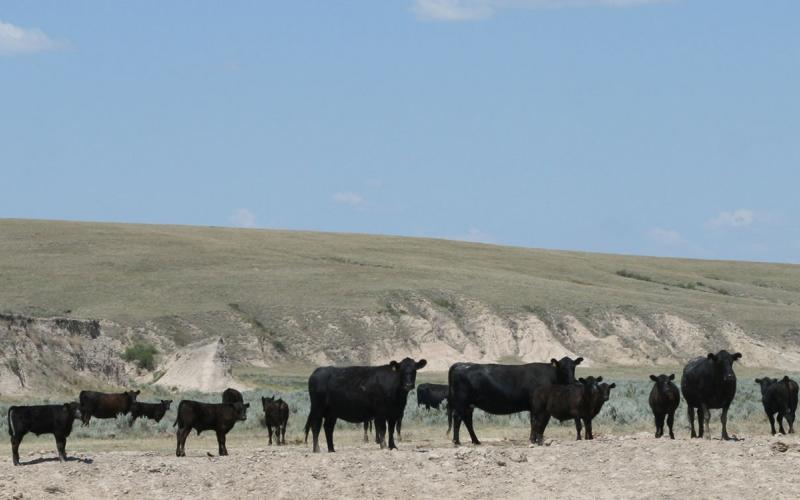
Adaptive Management: One Strategy To Increase Your Operation’s Flexibility and Resiliency
Adaptive management is a strategy that livestock producers can use to manage year-to-year variability in forage production and build drought resiliency for their operations.
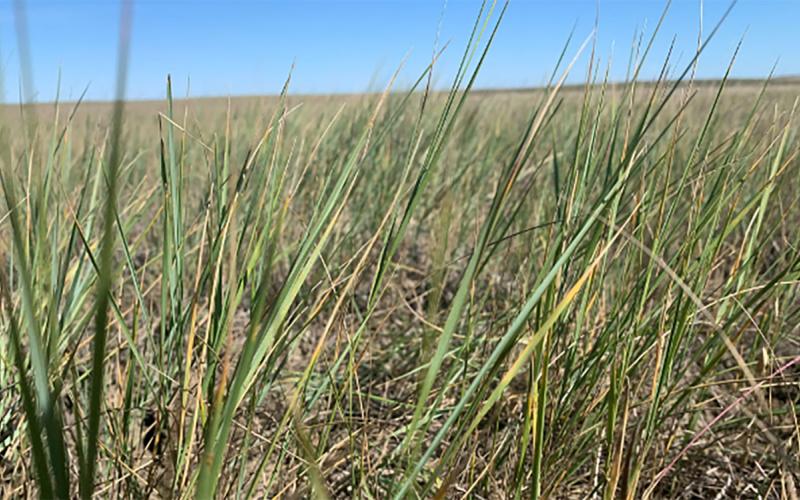
Options for Spring Turnout
Every year at green-up, grass managers must make decisions about when and where to begin grazing. Several options are available depending on pasture resources, stored feed resources and the ability to be flexible.
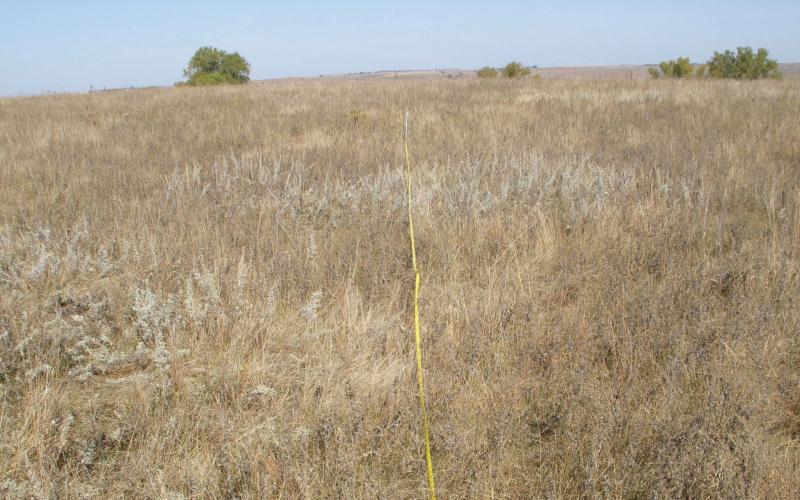
Natural Resources: The Ranch Foundation During Drought
Just as every factory needs a sturdy and healthy foundation to be sustainable, a ranch manager must keep a watchful eye on the natural resources of the ranch during drought.
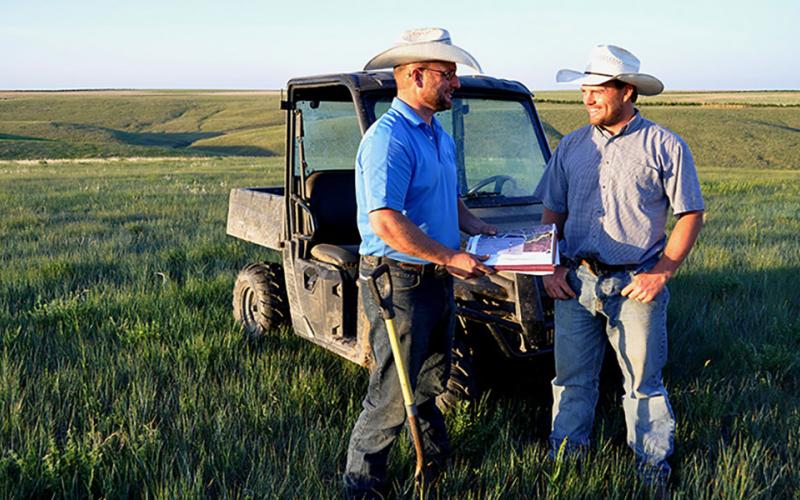
The Importance of Math in the Art of Grazing
It might seem a bit silly to check in on your stocking rate calculations, but it is something that is undoubtedly worth your time, whether you’re a seasoned rancher or you’re still trying to get your feet under you.
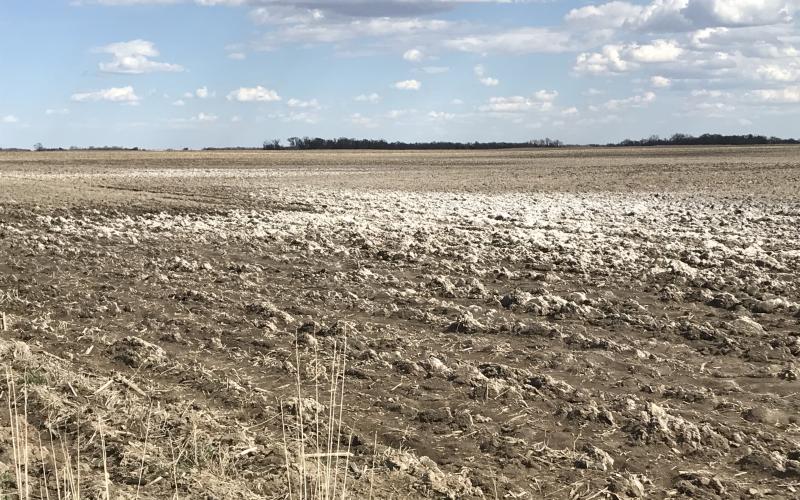
Revegetation of Salt-Impacted Soils in South Dakota
This publication provides suggested native species suitable for the revegetation of salt-impacted soils. The suggested species are listed as native to South Dakota according to the USDA NRCS Plants Database.
An Introduction to Salt-Impacted Soils in South Dakota
Introduction of salt-impacted soils in South Dakota for landowners.
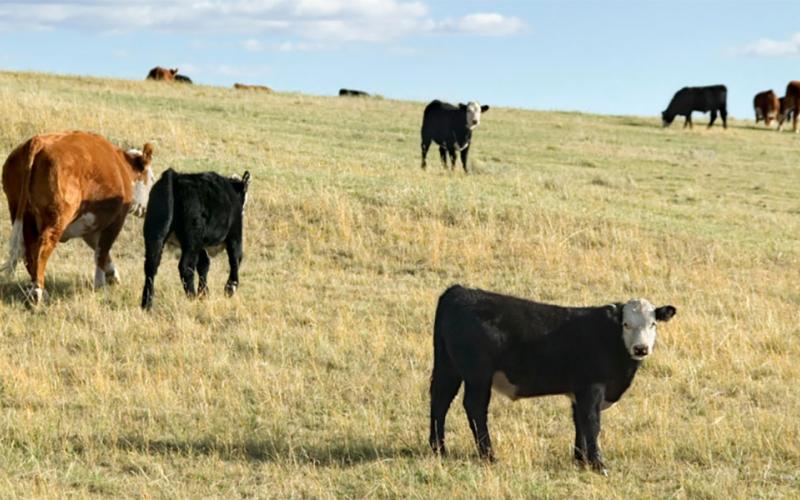
Barriers To Rotational Grazing: Perceptions From Ranchers in the Dakotas
Despite the potential benefits of rotational grazing, its adoption rate has stagnated in recent years. To help understand major barriers faced by producers towards rotational grazing, we conducted a survey among ranchers in the U.S. Great Plains.