Grassland
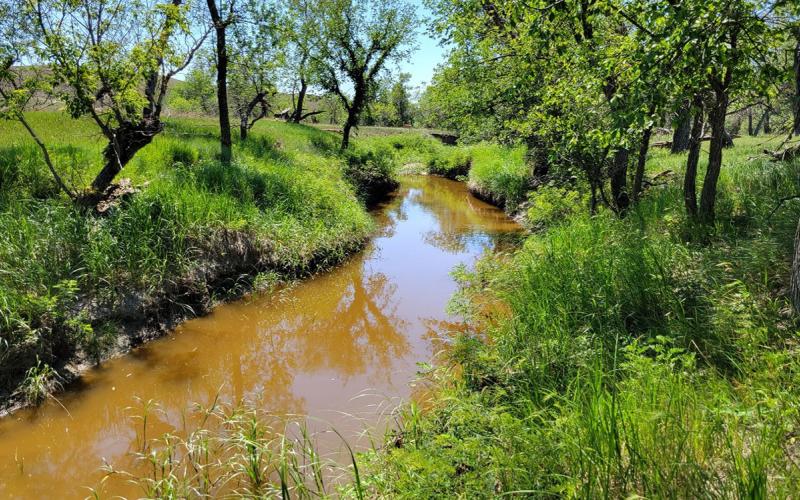
Western South Dakota Stream Guide now available for landowners, managers
January 24, 2023
A new manual, “Understanding Western South Dakota Prairie Streams” – or the Stream Guide – is now available as a free digital download.
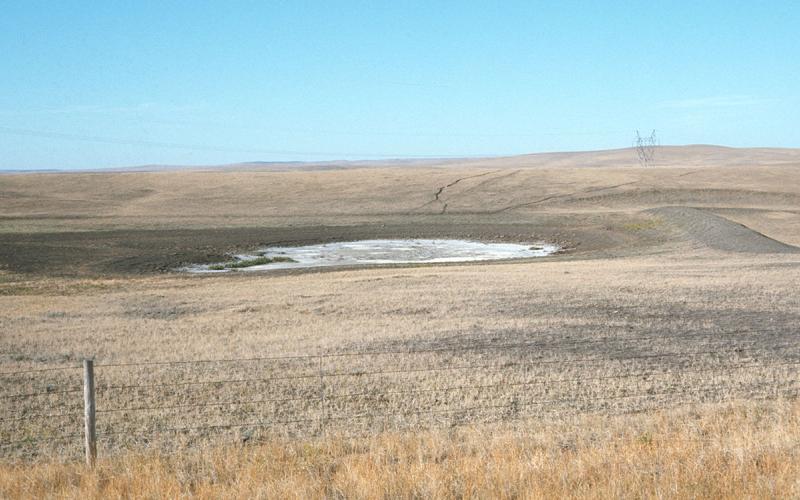
Can You Break the Hydro-illogical Cycle?
Regardless of the time of year, it is critical to start thinking about the next drought before we are in it. Learn some key strategies for breaking the Hydro-Illogical Cycle by leveraging drought motioning resources and creating a plan for your operation.
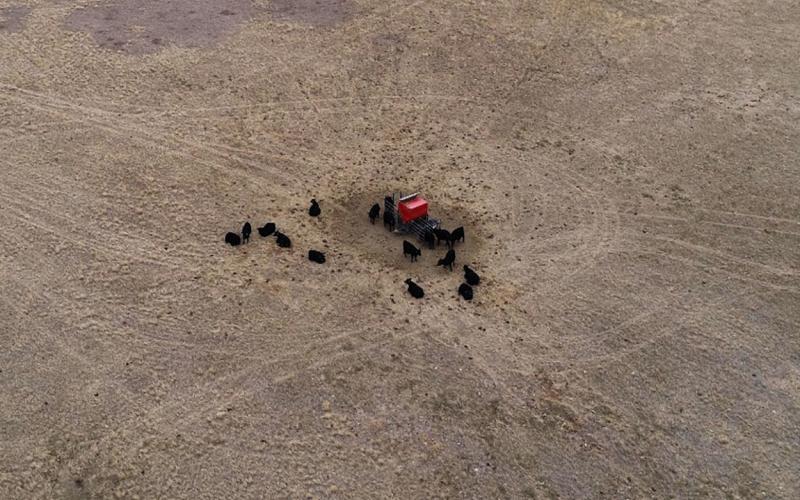
Utilizing Drones for Ranching Operations
Using drones as a tool for monitoring grasslands, checking cattle, and monitoring water sources has increased recently. Learn some important licensing and safety considerations for using drones on your operation.
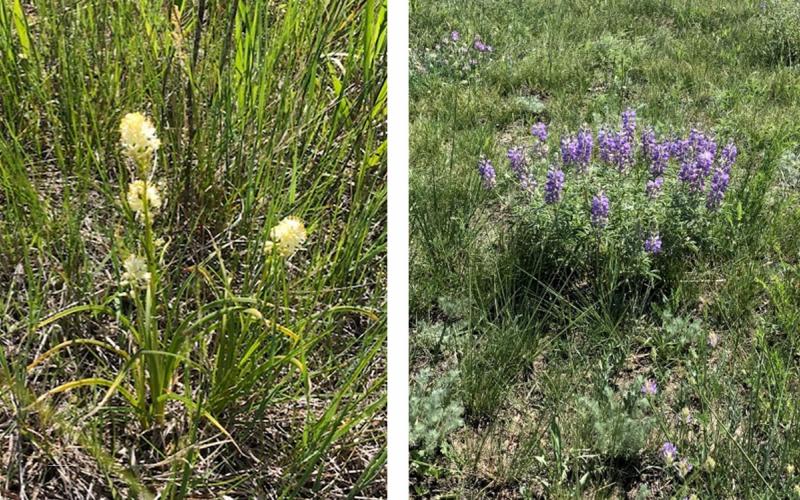
Poisonous Plants on Rangelands: Deathcamas and Lupine
With prolonged drought conditions throughout many areas of South Dakota, there is an increase of invasive weeds and poisonous plants on rangelands. Identification of poisonous plants is crucial to ensure livestock production is not compromised.
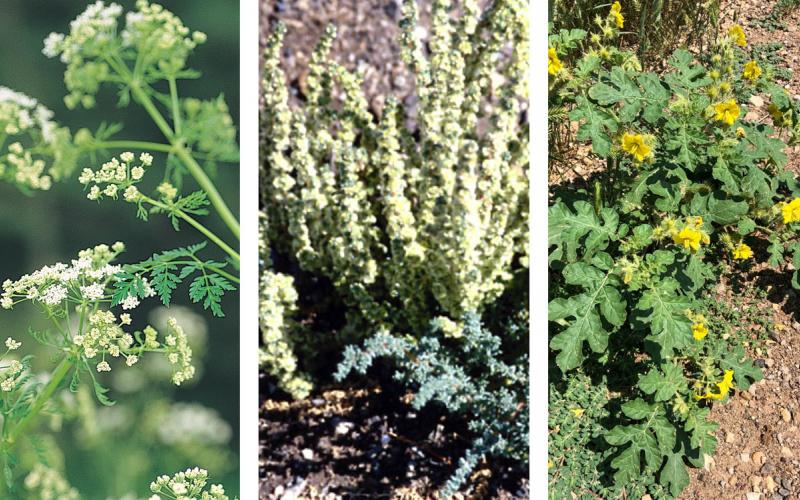
Poisonous Plants on Rangelands: Hemlock, Halogeton and Buffalo Bur
Several species of poisonous plants are invasive and can easily establish dense stands when there is a disturbance on rangelands. Hemlocks, halogeton and buffalo bur can all be found throughout South Dakota and are toxic to livestock.
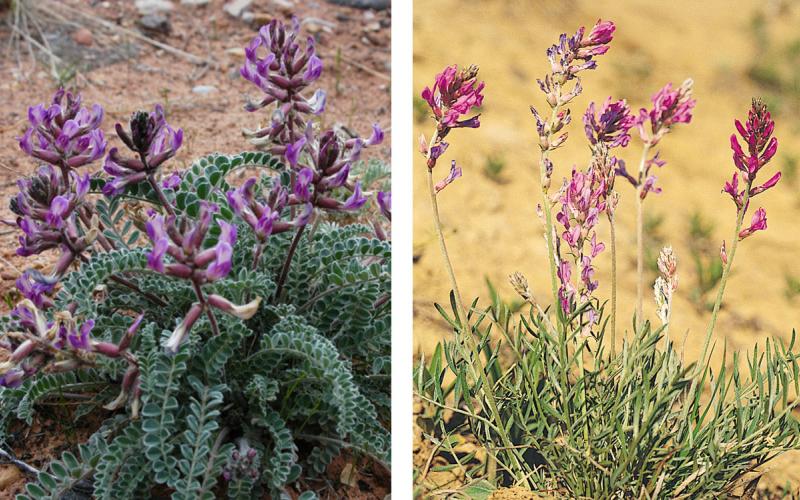
Poisonous Plants on Rangelands: Locoweed and Crazyweed
Locoweed and crazyweed are found throughout South Dakota rangelands, and both can cause livestock poisoning.The names locoweed and crazyweed are often used interchangeably. However, there are notable differences between the species.
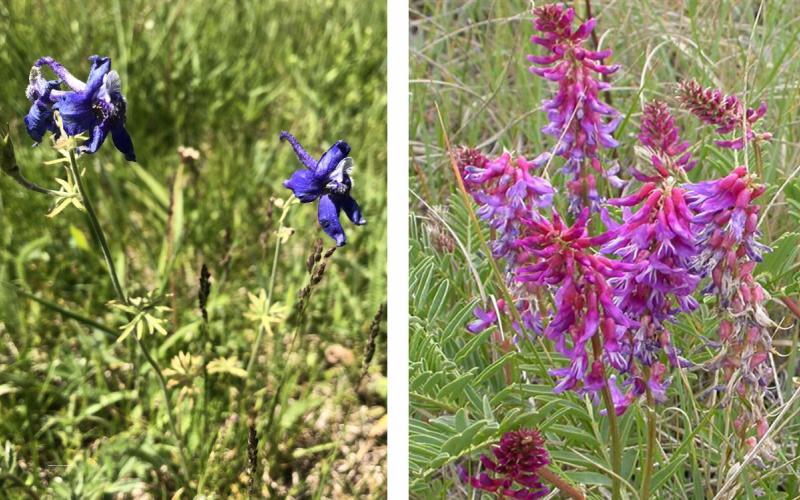
Poisonous Plants on Rangelands: Larkspur and Poisonvetch
Larkspurs are the second leading cause for all livestock deaths from toxic plant poisoning. Poisonvetches are considered accumulator plants that uptake excessive levels of selenium and cause toxicity problems in cattle.
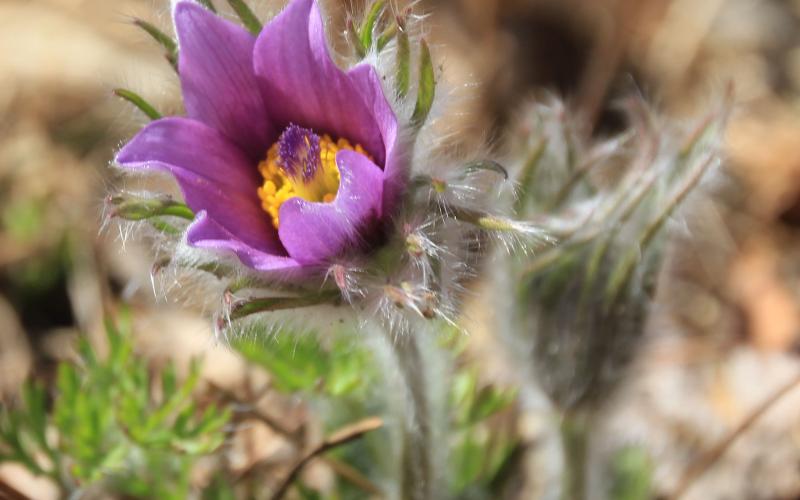
Common Flowering Plants (Forbs) of South Dakota
This guide focuses on forbs, or flowering “broad-leaved” herbaceous plants, but forbs can be narrow-leaved as well.
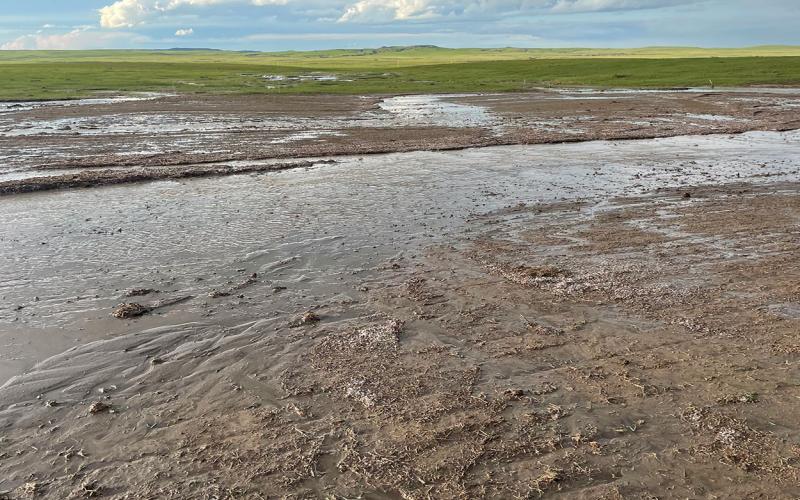
Five Range Management Principles: #4 Residual Forage
Residual forage is the amount of green leaf left after a grazing event. Understanding its importance can help producers capitalize on the symbiotic relationship that occurs when soil health is front and center on rangelands.
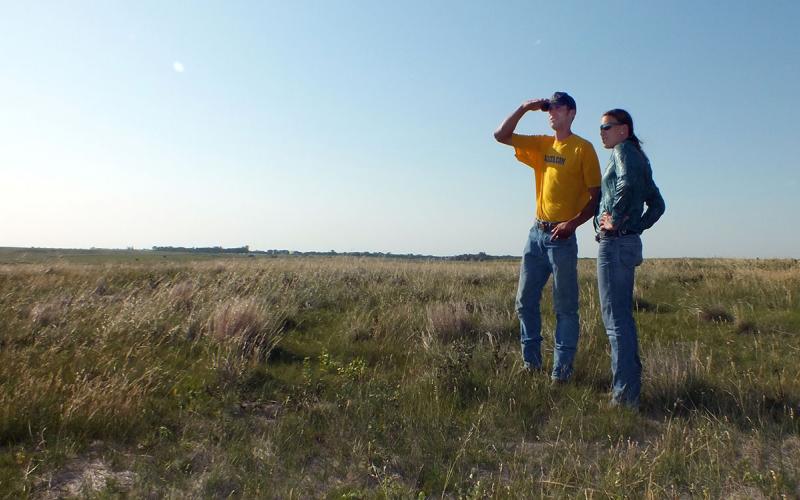
Five Range Management Principles: #1 Adaptive Management
Adaptive management is a process that livestock producers can incorporate into their operation to increase operation flexibility and adjust to changing conditions.