Fruit
All Fruit Content

What is This Fruit… And is it Edible?
In mid- to late-summer, we often get the questions: “What kind of fruit is this?” and “Is it edible?” To identify a fruit, it is helpful to know both plant and fruit characteristics: Woody or herbaceous plant? Vining or upright? Do the leaves attach to the stem opposite each other (i.e., paired), or do they alternate from one side of the stem to the other? What size and color are the fruit? Is each fruit’s stem attached directly to the twig, or are they in a cluster that attaches to the twig? And, one question I find often helpful in distinguishing among smaller fruits, does it have a single pit, or are there several seed in each fruit?
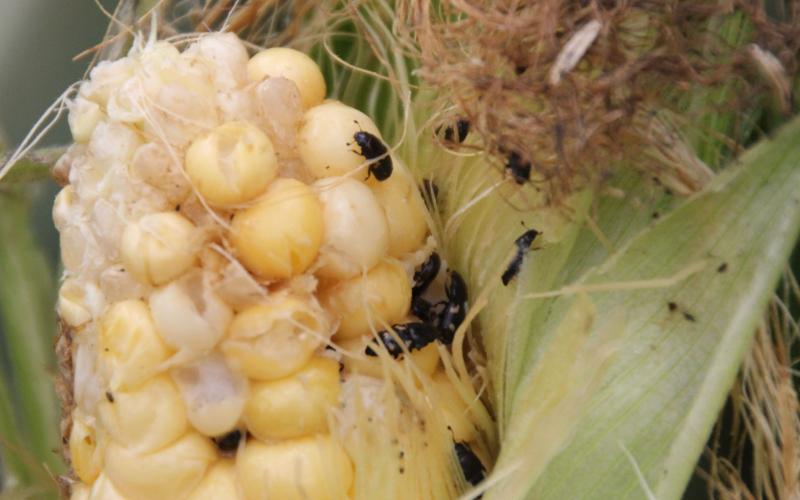
What’s Bugging Your Garden: Picnic Beetles
One of the most common garden insect questions I get asked is “what are those little black, spotted beetles that are in my sweet corn, tomatoes, raspberries and perhaps worst of all, in your beer! These little nuisances are called picnic or sap beetles. They are attracted to ripe or damaged fruit and vegetables.
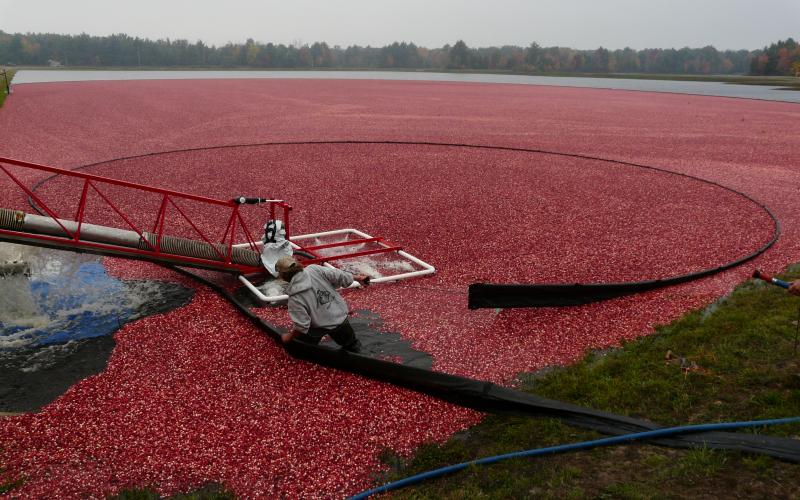
Cranberries: A colorful and nutritious fruit
Fall is a busy time for farmers in the northern Great Plains, harvesting thousands of acres of corn and soybeans. Not too far away, in central and northern Wisconsin the harvest was in full swing too, but the crop they are harvesting is a small fruit called the cranberry. Wisconsin is the leading state in cranberry production, growing 60% of all of the cranberries consumed in the United States.
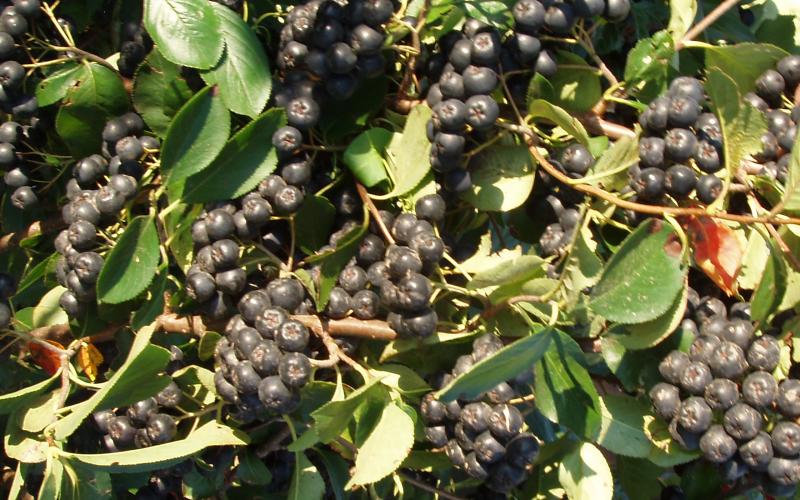
Aronia: Beautiful and Healthy
Aronia melanocarpa, or simply “aronia,” is an attractive shrub that has recently been gaining more attention in the Midwest – its berries are very high in antioxidants thought to be beneficial for human health.