Farm Business Management

Davis retires after 30 years with SDSU Extension
July 17, 2024
South Dakota State University Extension Crops Business Management Specialist Jack Davis is retiring after 30 years of serving South Dakota’s agricultural community.
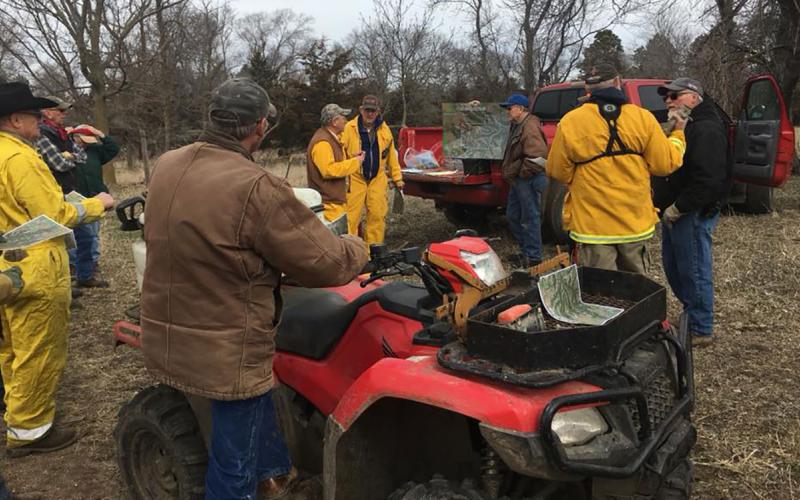
Range Roundup: Partnership Between Absentee Landowner and Rancher Allows for Pasture Renovation
Properly maintained pastures require ongoing, cooperative and mutually beneficial processes planned by landowners and renters, especially if the owners are absentee. Learn some key considerations for starting the process.
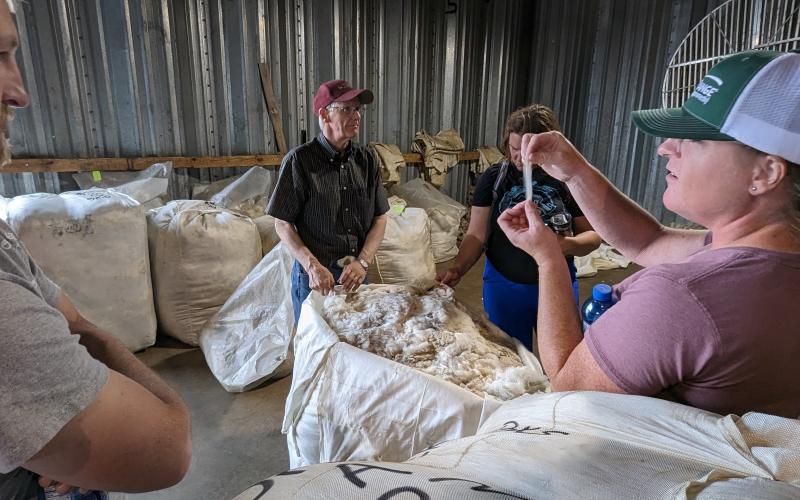
Sheep producers invited to apply to SDSU Extension Elevate Ewe cohort program
June 28, 2024
South Dakota State University Extension is inviting beginning sheep producers to apply to the 2024-2025 Elevate Ewe program.

SDSU Extension hires new farm and food systems specialist
June 25, 2024
South Dakota State University Extension is pleased to welcome Sarah Sellars as a new Specialist in Sustainable Farm and Food Systems.
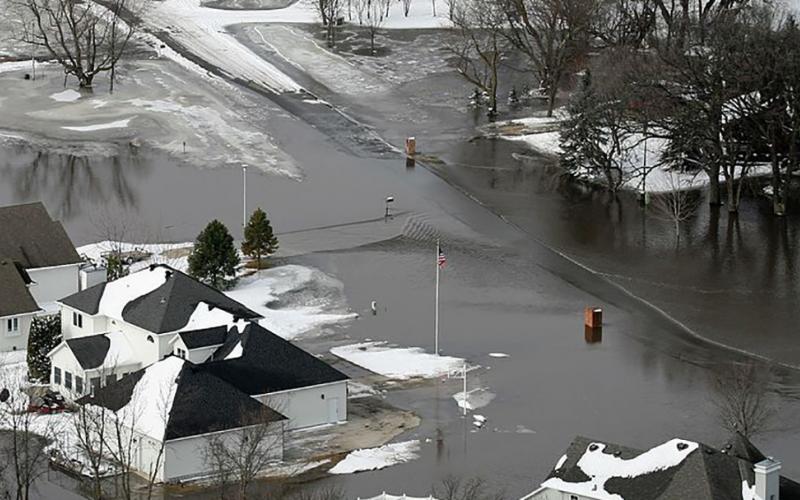
Flood Insurance
The higher amounts of snow this year will increase the chance of flooding and the potential water damage to homes and residential properties. Now is the time to consider purchasing a flood insurance policy.

End of Life Documents You Should Have in Place
COVID-19 infection and mortality rates fill the news programs. Across South Dakota and the nation, people are have made changes to their lifestyle and the way they accomplish many everyday activities. In response to this illness and the potential for long-term hospitalization and even death, individuals over 18 should also ensure their end of life documents are up-to-date.

Bookwork, The Missing Management Component: Consistency of Financial Records
Consistent record keeping will allow for accurate ratios and trend analysis. While operations will change, grow, or contract, having a standard operating procedure will allow for analysis and decision-making.

Bookwork, The Missing Management Component: Balance Sheet Valuations
The financial crash of the 1980’s has been attributed to changes in producer’s balance sheets, due to a decline in land prices. After this time, a two-column balance sheet was developed to help prevent that type of balance sheet collapse from occurring in the future.

Bookwork, The Missing Management Component: Depreciation Determination and Use
Another component of determining net income is depreciation. This is one component of the Schedule F that many understand the least. Typically, the most use it gets is to minimize income tax through accelerated tax depreciation under section 179.
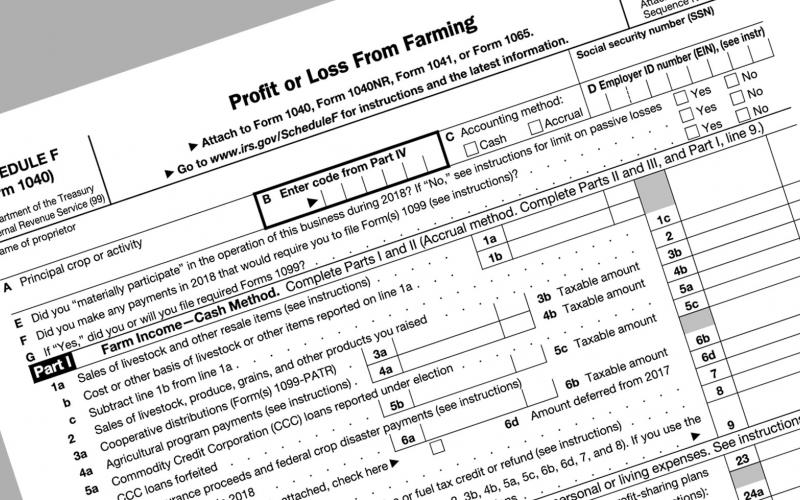
Bookwork, The Missing Management Component: Farm Income Determination
Many ag producers do not like bookwork. Many times this job gets pushed to the side, until a bill is due or taxes need to be filed. It is also fair to say it is a missing component to the management of most operations. A missing component that could lead to the collapse of the operation.