Farm Business Management
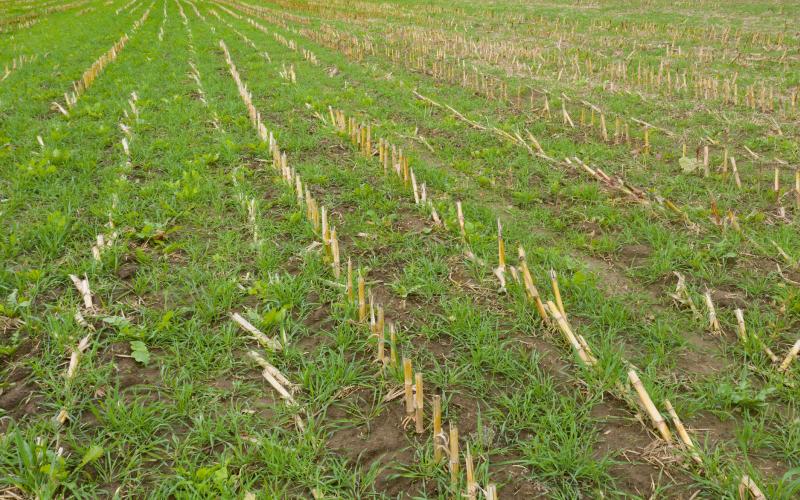
Utilizing Cover Crops for Grazing: An Assessment on Economic Benefits
Grazing cover crops by cattle provides an option to offset cover crop seed costs and increase farm revenue. To facilitate farmers’ decision making, this article will evaluate the economic profitability from grazing cattle on cover crops using a partial budgeting approach.
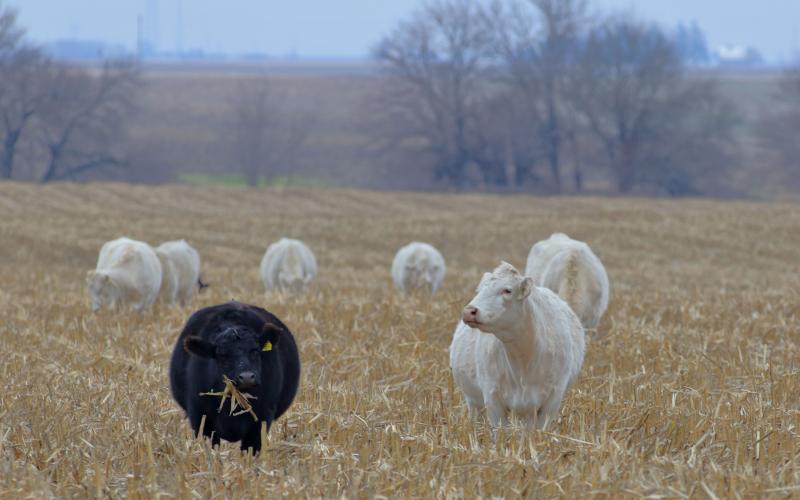
Farm Practices That Improve Soil Health: Integrated Crop-Livestock Systems
An integrated crop-livestock system can provide an alternative management strategy that benefits producer’s income, soil health, and the environment—all while increasing production.
Using Increased Longevity to Reduce Annual Cow Cost
When evaluating annual cow cost, feed rises to the top of the list. Feed cost is an important area to consider; however, have you evaluated the cost of incorporating replacement heifers into the cowherd?
SDSU Extension to Address Economic and Marketing Issues in Crop and Livestock Production During Ag Economic Dialogue Series
August 06, 2020
SDSU Extension will host monthly Ag Economic Dialogues throughout 2020 to assist farmers and ranchers in making the best and most profitable decisions for their operations.

SDSU Extension to Hold Workshops for Beginning Farmers/Ranchers Looking for Land
August 04, 2020
SDSU Extension will host Farmland for the Next Generation, an eight-week virtual workshop series, beginning August 31.
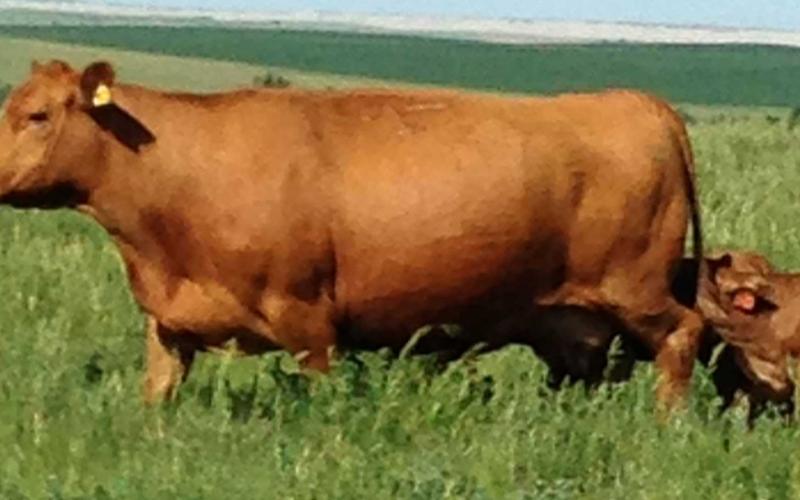
Alternative Calving Considerations
Structuring a calving program that best suites farm and ranch operations can be challenging. Of primary concern are: weather, labor, market timing, and animal health considerations, with weather possibly being the most volatile factor, as it ranges from challenging to catastrophic in some years.
Economic Impact of the Beef Industry on South Dakota
The beef industry in South Dakota makes a significant contribution to economic output and development in the state. As of January 1st, 2012 there were 1,610,000 beef cows in South Dakota. These cows produced 1,710,000 calves during the year and the industry produced an estimated $2,283,766,027 in gross income during 2012 (South Dakota Agriculture 2013).
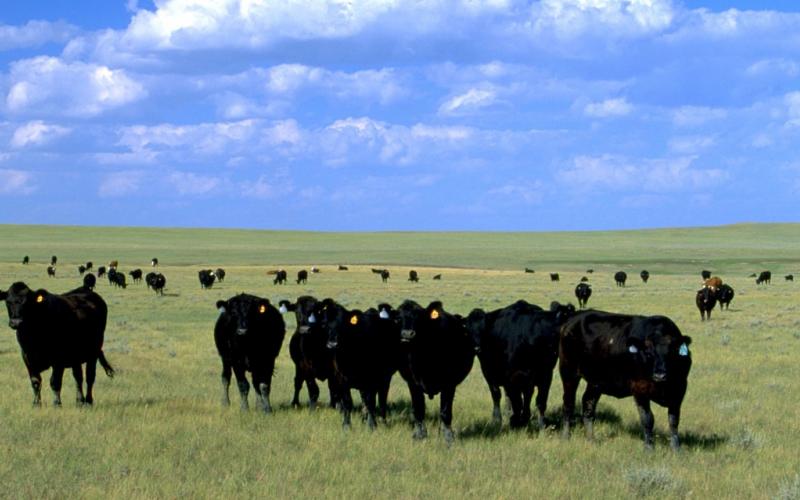
Census of Agriculture Cattle Insights
The "2017 Census of Agriculture" is a valuable source for insights related to cattle operations at the state level. There were 13,928 operations across South Dakota with cattle in 2017, and the total inventory was 3,988,183 head.
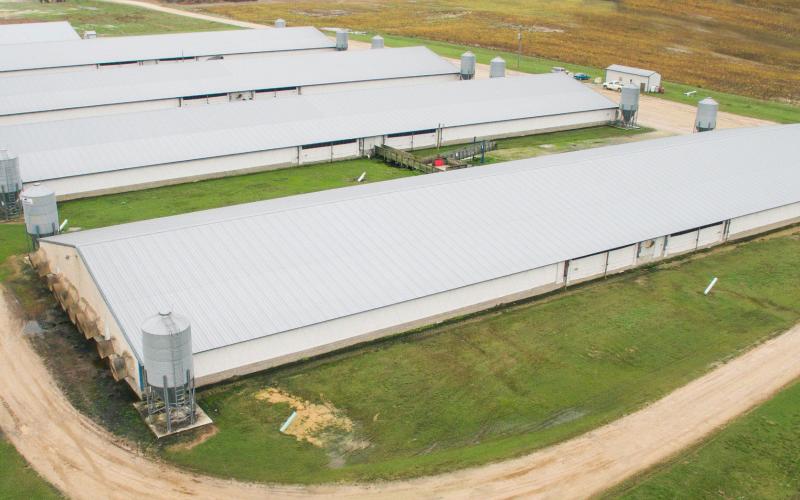
Methods to Slow Finishing Pig Growth
In abnormal situations, like with the packing plant closure we’re currently dealing with, pork producers may need to “hold” their pigs past normal marketing dates in order for other processing options to open up. We can accomplish that in two ways: altering internal barn environment and changing diets.
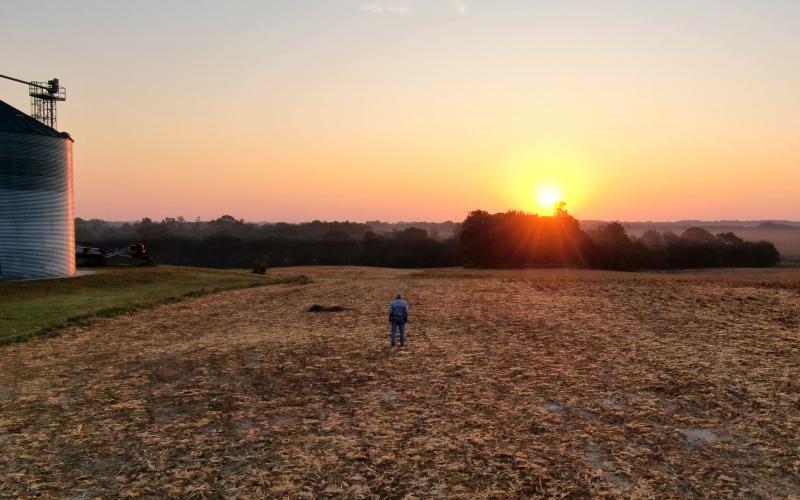
Cash Flow and Income Considerations for S.D. Farms: Part 2
This is the second article of a two-part series examining cash flow and income for South Dakota grain farms. This article will look at crop insurance, prices for 2020 crops, and changes in input prices.