Drought: Livestock
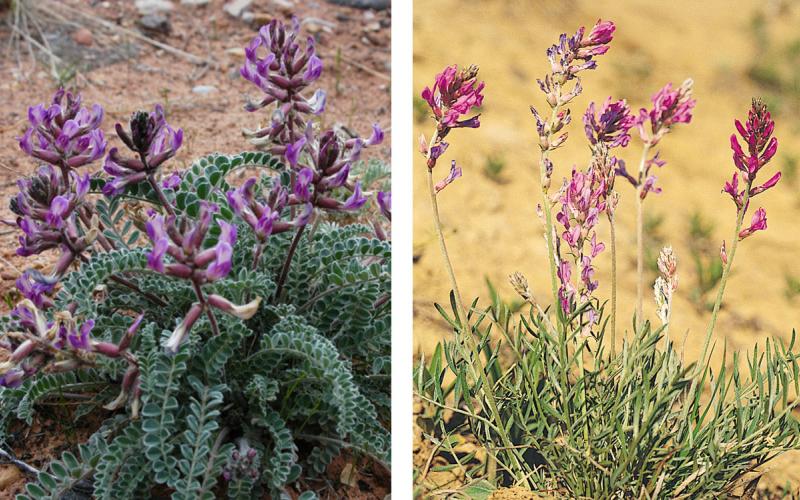
Poisonous Plants on Rangelands: Locoweed and Crazyweed
Locoweed and crazyweed are found throughout South Dakota rangelands, and both can cause livestock poisoning.The names locoweed and crazyweed are often used interchangeably. However, there are notable differences between the species.
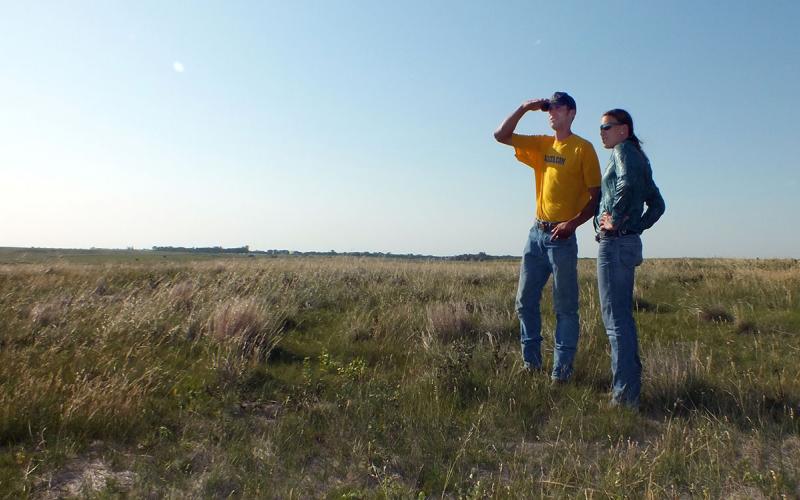
Five Range Management Principles: #1 Adaptive Management
Adaptive management is a process that livestock producers can incorporate into their operation to increase operation flexibility and adjust to changing conditions.
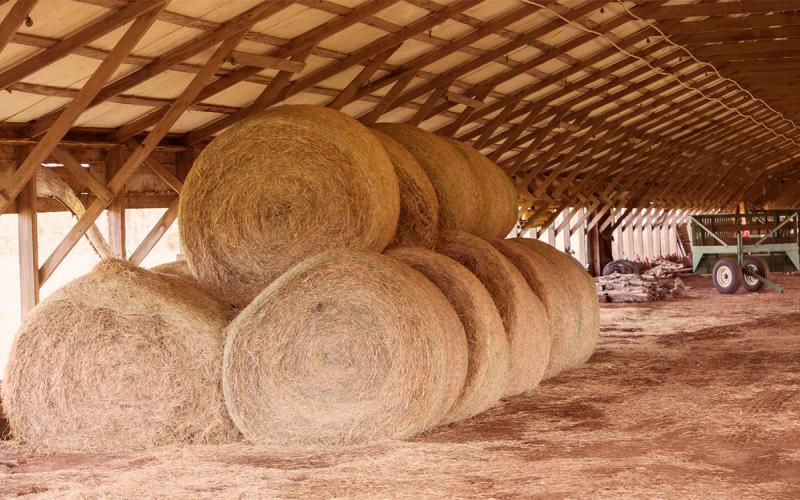
Planning Forage Needs
Inventorying and planning for hay and other forage feed needs is essential every year, especially when production is uncertain due to drought or excess moisture.
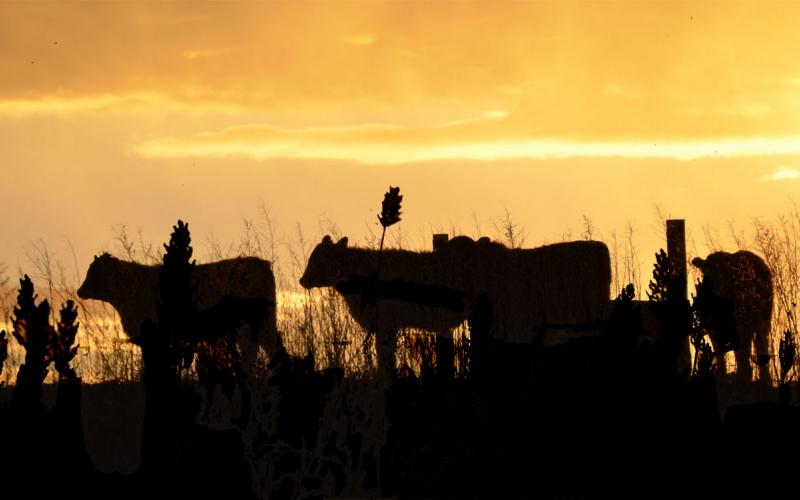
Prussic Acid Precautions
During periods of drought, it is important to aware of the factors that can be a concern during these conditions, specifically nitrates and prussic acid. It is important to take precautions when using feeds that could contain one or both compounds.
Nitrates and Livestock Water Quality
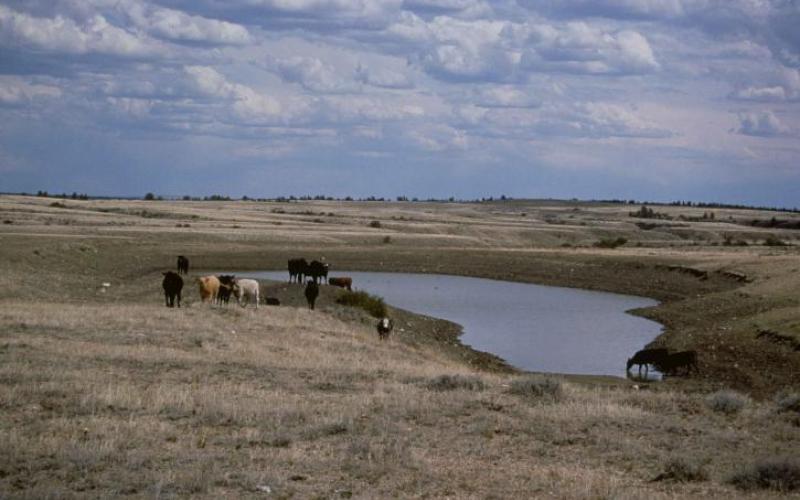
Nitrate poisoning is something we think about with forages such as millet, oats, corn, sorghum, sudan, kochia and others that have been fertilized or if there is a drought, but water can also be a contributing factor.
Five Range Management Principles: #2 Creating a Grazing Plan
Creating a grazing management plan can be overwhelming. Learn the basic steps for outlining a plan, along with several resources to help identify the right strategy for your operation.
Factors That Influence Plant Development and Growth
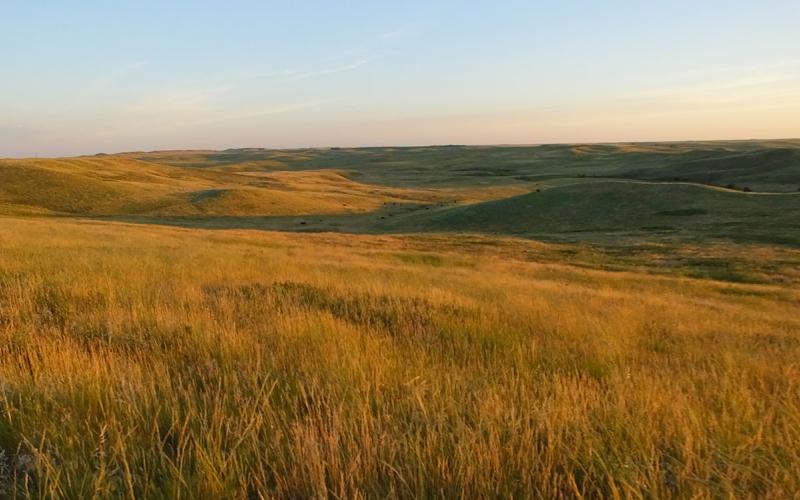
Year-to-year variability in climate can result in large swings in annual forage production for livestock producers. Learn some key considerations to observing and mitigating the effects of this variability.
Herd Inventory Centers on Feed Available
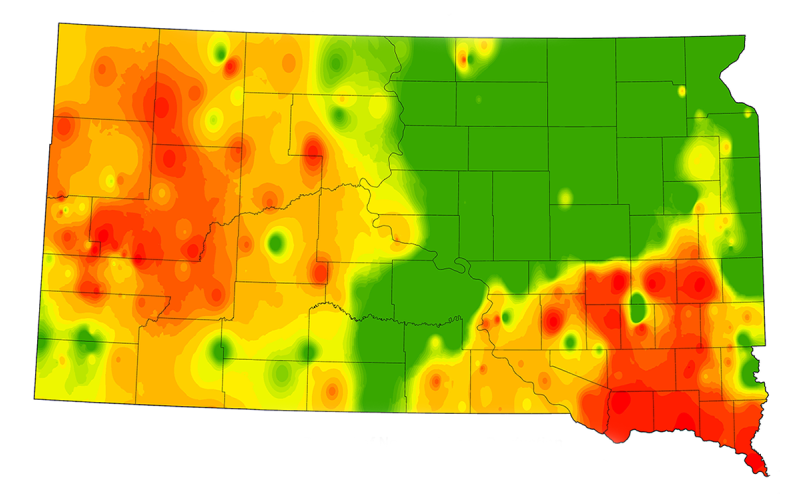
With drought conditions continuing across the state, livestock producers will be making hard decisions on livestock inventory numbers as pasture and feed availability become an even more significant factor.
Ranch Drought Planning
Fact sheet with general drought planning tips from the range and natural resource perspective.
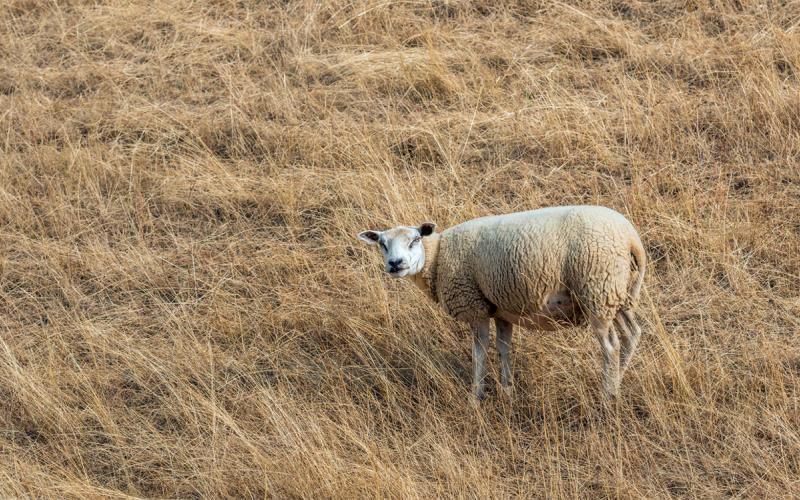
Drought Considerations for Grazing Range Flocks
Having a drought plan in place to best manage pastures is critical in being prepared for next year’s grazing season. Make decisions that will manage risk and promote both flock and financial longevity.