Drought: Livestock
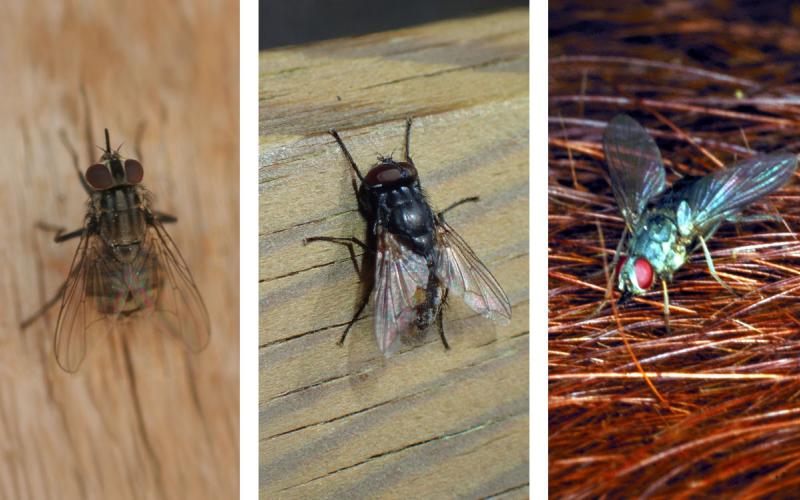
Fly Management for Cattle
There are several species of flies that can reduce the production value of livestock, particularly during hot, dry weather. To manage these pests, it’s important to be able to accurately identify them and understand their life cycles.
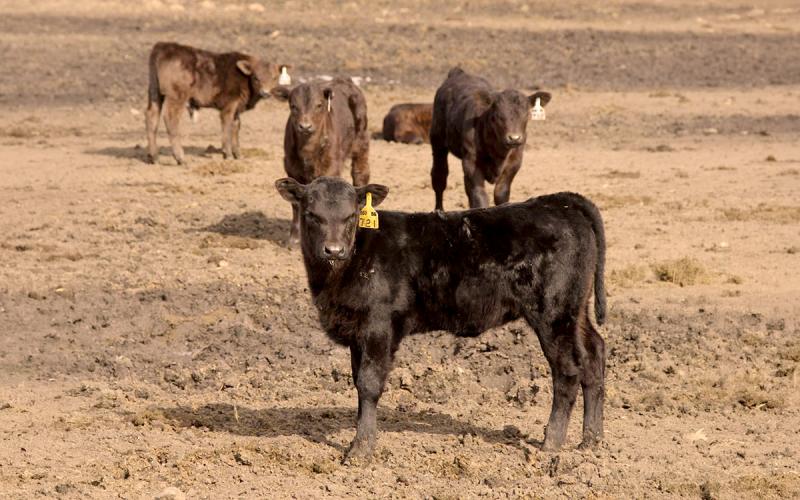
Vaccinating Early-Weaned Beef Calves
In most years, pre-weaning vaccinations are a task completed in early fall. However, in dry years, poor pasture conditions forcing producers to wean calves early may push up that timeline.
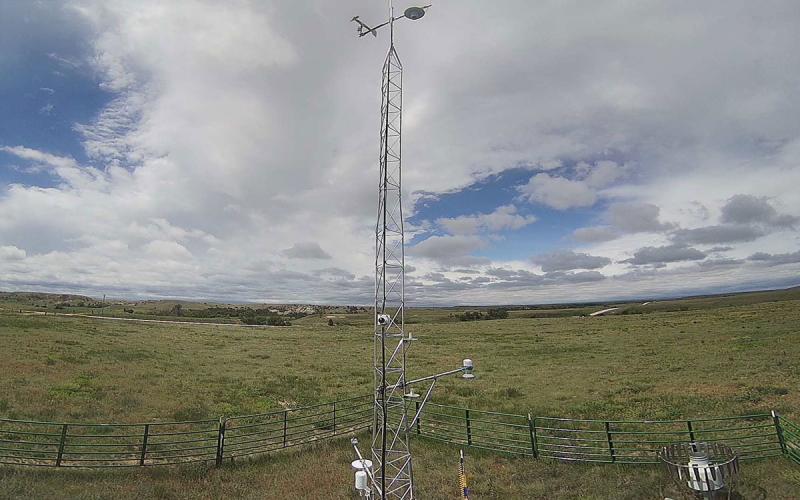
Climate and Drought Update: July 2026
On June 18, 2026, NOAA’s Climate Prediction Center released their latest climate outlook for July and the coming three-month season through September.

SDSU Extension encourages testing forage nitrate levels
June 11, 2026
South Dakota State University Extension is encouraging producers to test the nitrate levels in their forages.

SDSU Extension provides free livestock water testing
May 28, 2026
South Dakota State University Extension is encouraging producers to take advantage of its free, on-site livestock water testing services across the state.

Drought-Stressed Forage: Nitrate Considerations
While drought-stressed forages can provide valuable feed, they may also carry an increased risk of nitrate accumulation. Producers should be aware of before grazing, harvesting, and feeding these forages.
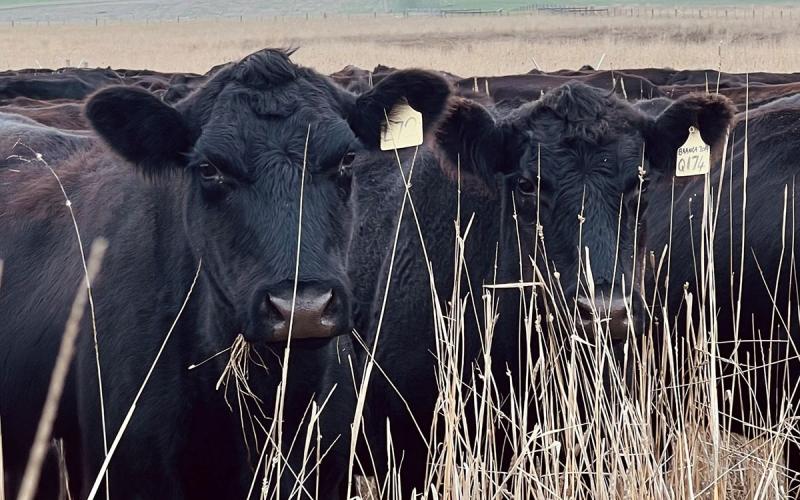
High Nitrates and Pregnant Cows
Drought poses many challenges to the beef cow herd. When considering grazing pregnant females, it’s important to understand that grazing management is critical to avoid nitrate toxicity and potential abortions.
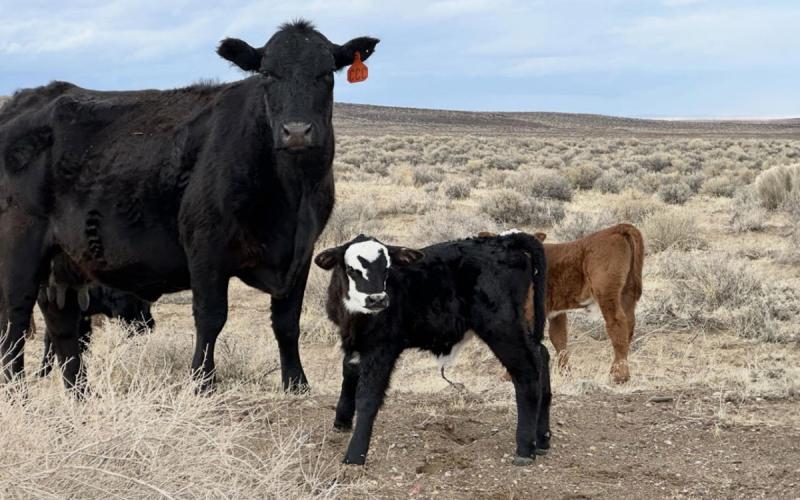
Managing the Cow Herd Through Drought
Drought remains one of the most persistent and difficult challenges facing cattle producers. Managing a cow herd under drought conditions requires balancing short-term survival with long-term productivity.
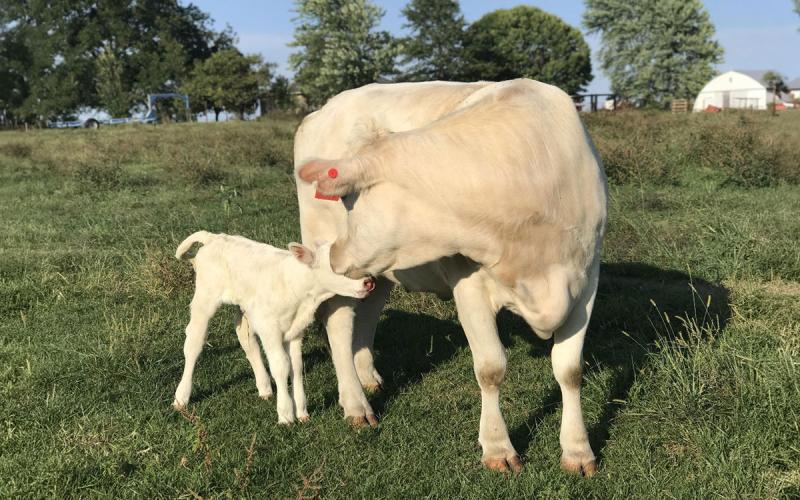
Strategic Culling During Drought Can Strengthen Ranch Profitability
In today’s cattle market, thoughtful culling decisions can provide a dual benefit, generating immediate income from strong cull cow prices while reducing the number of animals to feed during periods of high feed costs and drought stress.
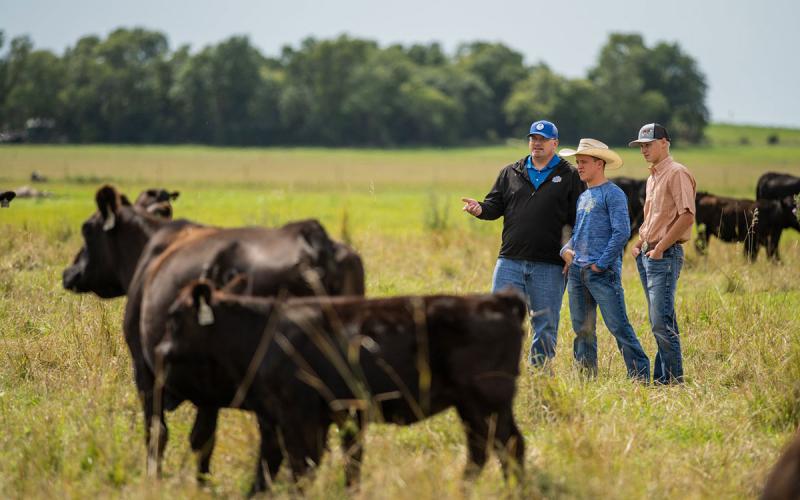
Setting Stocking Rates With Flexibility in Mind: A decision framework for uncertain years
Setting stocking rates during years when moisture is unpredictable does not require perfect information. It requires a framework that protects both your land and your options.